Warts and corns are often confused, with individuals sometimes self-treating what they believe to be a corn, only to discover it's a plantar wart. This article delves into plantar warts, medically known as Verruca Pedis, and explores how hydrocolloid patches can be utilized in their management and for various skin lesions.
Understanding Plantar Warts (Verruca Pedis)
A plantar wart is a growth on the sole of the foot caused by the Human Papilloma Virus (HPV). Unlike the normal skin lines on the feet, which run uninterrupted, the skin lines on a wart will go around the lesion. Plantar warts often resemble a cauliflower and may have black pinpoints in the center, which are small, clotted blood vessels.
The susceptibility to HPV and the development of plantar warts vary among individuals due to differences in immune system responses, general health, and stress levels. While the virus is not highly contagious through direct contact, it thrives in warm, moist environments like bathrooms and swimming pools, facilitating transmission.
Prevention and Treatment of Plantar Warts
To prevent the spread of the wart virus, it is advised to avoid direct contact with plantar warts and to refrain from picking at them. Thorough handwashing after touching warts is also crucial.
Many plantar warts are harmless and may resolve on their own over time, though this can take years. For quicker resolution, or if the wart is causing pain or has not responded to previous treatments, consulting a podiatrist is recommended. Common treatment options include:
Salicylic Acid
Salicylic acid is considered the "Gold Standard" treatment for plantar warts. This keratolytic therapy works by softening the epidermis and gradually destroying the virus-infected skin. It is also believed to stimulate an immune response, aiding the body in fighting the virus. Salicylic acid is available over-the-counter in lower concentrations (e.g., 20%) or can be applied by a podiatrist in higher concentrations (60-80%) after debridement (removal of excess tissue).
Podiatrist-administered salicylic acid treatment typically involves applying the acid to the wart, covering it with an occlusive dressing, and keeping it dry. This treatment usually requires 4-6 sessions every 1-2 weeks. While some minor discomfort may occur initially, it is generally less painful than other treatments.
Cryotherapy/Freezing
Cryotherapy involves freezing the wart with liquid nitrogen, which causes a blister to form around it. Following cryotherapy, a hydrocolloid dressing, such as Compeed, is often recommended for a week. The wart may detach when the dressing is removed. Similar to salicylic acid, cryotherapy can stimulate the immune system. While potentially more painful than salicylic acid treatment, it does not require the treated site to remain dry.
Other Treatment Options
- Caustic agents: Such as silver nitrate or Upton's paste.
- Microwave therapy: Showing emerging evidence of effectiveness for stubborn warts.
- Immune therapy: Aims to boost the immune system's response against the wart virus.
- Vaccine: The HPV vaccine has demonstrated success in treating warts.
- Surgery: Reserved as a last resort for cases unresponsive to other treatments.
Advanced Dressings for Post-Wart Treatment and Wound Care
The evolution of wound care technology has introduced advanced dressings that significantly enhance healing after wart removal. These dressings create optimal conditions for tissue regeneration and protect the wound from external contaminants.
Hydrocolloid Dressings
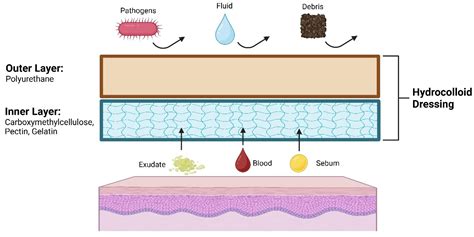
Hydrocolloid dressings are highly effective for post-wart removal care. They contain gel-forming agents that absorb exudate, creating a moist environment ideal for autolytic debridement-the body's natural process of removing dead tissue. These dressings are particularly beneficial for wounds resulting from cryotherapy or laser wart removal, as they absorb fluid while maintaining optimal moisture levels and typically require changing every 3-7 days.
The core of a hydrocolloid dressing is its ability to absorb exudate or sebum, triggering a gel-forming reaction. This gel maintains a moist environment crucial for supporting autolytic debridement and promoting cellular regeneration. The healing benefits are directly tied to these moisture-controlling properties, which accelerate healing compared to traditional dry dressings and prevent maceration of the surrounding skin.
Hydrogel Dressings
Hydrogel dressings offer cooling relief and hydration for dry or minimally exuding wounds. Their high water content helps maintain moisture balance and can soothe painful sites.
Foam Dressings
Foam dressings provide excellent absorption for moderately to heavily exuding wounds and offer cushioning for protection and comfort, especially in pressure-bearing areas.
Antimicrobial Dressings
Dressings containing silver, iodine, or honey derivatives offer protection against infection and support the healing process, particularly for larger wounds or immunocompromised individuals.
Film Dressings
Transparent film dressings allow for wound visualization and protect nearly healed sites, enabling activities like showering.
How to Change Bandages Properly After Wart Removal
Proper bandage changing is essential for promoting healing and preventing infection. The process involves:
- Gathering supplies: Clean gloves, sterile saline or clean water, new dressings, medical tape, disposal bag.
- Removing the old dressing: Gently peel it off, moistening with saline if adhered. Pull parallel to the skin.
- Wound assessment: Look for signs of healthy healing, such as a pink/red wound bed, minimal clear/yellow exudate, decreasing wound size, and absence of foul odour.
- Cleansing the wound: Gently irrigate with sterile saline or clean water. Avoid harsh antiseptics. Pat surrounding skin dry, leaving the wound bed slightly moist.
- Applying the new dressing: Ensure it extends beyond the wound edges and secure with tape without restricting circulation.
The frequency of dressing changes depends on the dressing type and wound characteristics, with hydrocolloid dressings often lasting up to 7 days, while gauze may require daily changes.
Creating Optimal Healing Conditions for Wart Wounds
Several factors contribute to efficient healing after wart removal:
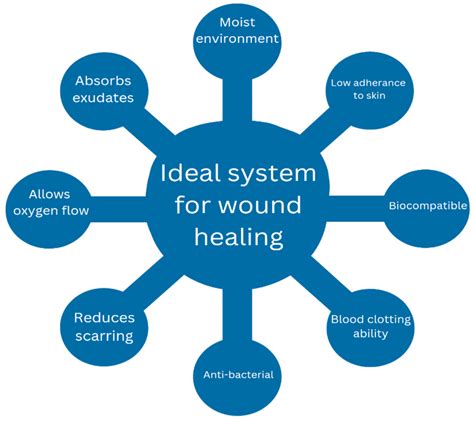
- Moisture balance: A moist wound environment accelerates epithelialisation by up to 50% compared to dry conditions, reducing healing time and scarring.
- Temperature regulation: Wounds heal best at core body temperature (around 37°C). Consistent warmth optimizes cellular metabolism.
- Nutritional support: Increased protein intake (1.2-1.5g/kg/day) is crucial for tissue synthesis. Essential micronutrients include Vitamin C, Zinc, Vitamin A, and Vitamin E.
- Hydration: Adequate water intake (2-3 litres daily) supports circulation.
- Stress management: Reducing stress can improve immune function and reduce healing delays.
Preventing Complications During Recovery
Vigilant monitoring and proactive care are key to preventing complications:
- Infection prevention: Maintain strict hand hygiene. Signs of infection include increasing redness, warmth, swelling, pus, increasing pain, or fever.
- Excessive granulation tissue ("proud flesh"): If bright red, raised tissue appears, consult a healthcare provider.
- Wound dehiscence: Separation of wound edges can occur due to tension. Support the wound with appropriate dressings and minimize strain.
- Scarring: Factors include tension lines, infection, genetics, and prolonged inflammation. Strategies like silicone gel sheets and massage can help minimize scarring. Protect healing wounds from UV exposure.
- Activity levels: Avoid activities that place direct stress on the wound site, especially in the first 1-2 weeks.
When to Seek Professional Wound Management
Professional intervention is necessary in certain situations:
- Signs of infection: Increasing redness, warmth, swelling, discharge, pain, or systemic symptoms.
- Delayed healing: If significant improvement is not seen within 2-3 weeks for superficial sites.
- Excessive or persistent pain: Pain that increases after initial improvement or is unmanageable.
- Abnormal wound appearance: Dark discolouration, excessive bleeding, unusual odour, or changes in drainage.
- Impaired healing conditions: For individuals with diabetes, vascular disease, or immunosuppression.
Accelerating Healing: Evidence-Based Approaches
Several evidence-based strategies can accelerate healing after wart removal:
- Moist wound healing: The cornerstone of accelerated repair, reducing healing time by up to 50%.
- Negative pressure wound therapy (NPWT): Useful for larger or complex wounds, it stimulates granulation tissue formation.
- Growth factor therapies: Such as platelet-rich plasma (PRP), can reduce healing time by 30-50%.
- Nutritional optimisation: Ensuring adequate protein and micronutrient intake is vital.
Pimple patches, which are essentially small hydrocolloid wound dressings, work by absorbing fluids like pus and oil from open blemishes and protecting them from infection and further picking. They are most effective on open, oozing pimples but may also help reduce the size and redness of closed ones. When applied to a lesion, the hydrocolloid material absorbs exudate or sebum, forming a gel that maintains a moist environment conducive to healing. This is similar to how hydrocolloid dressings are used in clinical wound care for low to moderate exudate wounds.
While pimple patches can aid in the healing of a popped pimple, they are not a comprehensive solution for overall acne management and may not be effective for blackheads or deeper lesions. For sensitive skin, the adhesives might cause irritation. Hydrocolloid patches are not intended for infected wounds.