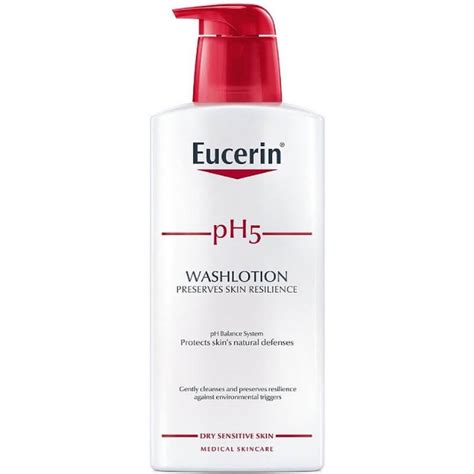
The Eucerin pH5 Body Wash is a cleansing product specifically formulated to cater to the needs of dry and sensitive skin. It offers gentle hygiene while simultaneously supporting the skin's natural barrier function. This product features a soap-free formula, ensuring an effective yet mild cleansing action that does not disrupt the skin’s natural defenses.
Key Benefits of Eucerin pH5 Body Wash
Gentle Cleansing and Skin Barrier Support
The soap-free formulation of the Eucerin pH5 Body Wash ensures a mild cleanse without stripping the skin of its natural moisture. It creates a soft foam that effectively cleanses while preserving the skin’s natural defenses. This gentle approach is crucial for individuals with dry and sensitive skin, preventing the irritation and dryness often associated with conventional cleansing products.
Prevention of Dryness and Maintenance of Hydration
One of the significant benefits of this body wash is its ability to maintain skin hydration, even with frequent use. The formula is designed to prevent dryness, leaving the skin feeling comfortable and nourished after each wash. This is achieved through a carefully selected combination of moisturizing and humectant ingredients.
pH Balance System
A core feature of the Eucerin pH5 Body Wash is its pH Balance System. This system is designed to preserve the skin's natural pH level, which is essential for maintaining the integrity of the skin's protective barrier. By supporting the optimal pH, the product enhances skin resilience and further prevents dryness.
Soothing and Protective Properties
The body wash aims to soothe the skin and protect it from environmental stressors. Ingredients like dexpanthenol work to support hydration in the outermost layers of the skin and help improve symptoms commonly associated with irritated skin, such as roughness, scaling, and redness. Natural oils are also included to provide additional comfort by nourishing the skin.
Detailed Ingredient Breakdown
The effectiveness of the Eucerin pH5 Body Wash can be attributed to its thoughtful selection of ingredients. Here’s a closer look at some of the key components:
Core Cleansing Agents
- Water (Aqua): The primary solvent in most cosmetic products, purified and deionized to remove mineral ions.
- Sodium Myreth Sulfate: A sulfate-based surfactant known for its cleansing properties and ability to create foam.
- Lauryl Glucoside: A mild, sugar- and lipid-based cleansing agent derived from glucose and lauryl alcohol. It is effective at removing oil, dirt, and pollutants.
- Coco-Glucoside: A surfactant made from glucose and coconut oil, which helps gather dirt, oil, and other pollutants from the skin for easy rinsing.
Moisturizing and Soothing Ingredients
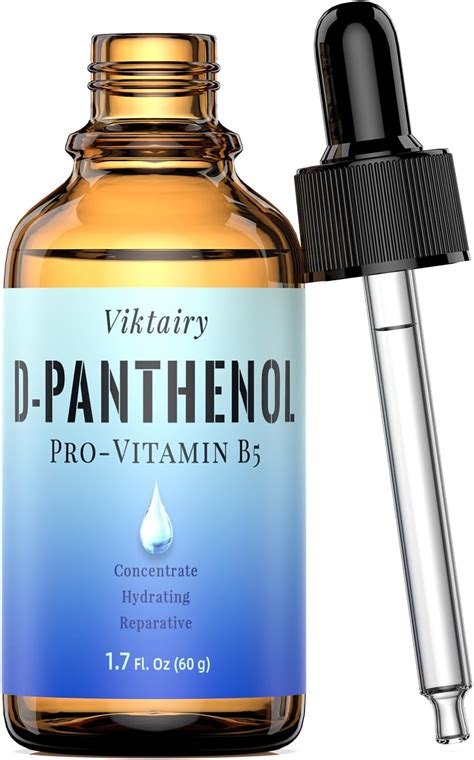
- Panthenol (Pro-Vitamin B5): A well-known humectant that attracts and retains water in the skin, promoting hydration. It also possesses anti-inflammatory and skin-protecting abilities, helping to reduce irritation and support wound healing.
- Glycerin: A humectant naturally found in the skin that moisturizes and protects. It helps draw moisture into the deeper layers of the skin, improving the skin barrier and protecting against irritants and bacteria.
- Methylpropanediol: A synthetic solvent and humectant that helps dissolve other ingredients evenly and has antimicrobial properties, acting as a preservative booster.
- Pantolactone: A synthetically created humectant that helps draw moisture to the skin, adding hydration.
pH Adjusters and Stabilizers
- Citric Acid: An alpha hydroxy acid (AHA) derived from citrus fruits. In this formulation, it primarily acts as a pH adjuster to keep the product slightly acidic and compatible with the skin's natural pH.
- Sodium Citrate: The sodium salt of citric acid, used to alter pH levels and act as a preservative by neutralizing metal ions.
Emollients and Texture Enhancers
- Glycol Distearate: Serves as a pearlizing or opacifying agent, contributing to the product's texture and appearance.
- PEG-40 Hydrogenated Castor Oil: Derived from castor oil and polyethylene glycol, it acts as an emollient and emulsifier, helping to stabilize the formula and improve ingredient solubility. It also enhances spreadability and can help trap moisture on the skin.
- PEG-200 Hydrogenated Glyceryl Palmate: Contributes to the product's texture and consistency.
- Castor Oil: Sourced from the castor bean plant, it is a thick oil rich in ricinoleic acid, providing emollient and moisturizing properties.
- Glycine Soja (Soybean) Oil: An emollient plant oil rich in linoleic acid, known for its moisturizing and barrier-repairing properties.
- Olive Oil: An oleic acid-rich emollient plant oil that moisturizes dry skin and contains antioxidants.
Preservatives
- Sodium Benzoate: A common preservative used in both cosmetics and food products to inhibit the growth of mold and bacteria.
Fragrance
- Parfum (Fragrance): A blend of ingredients used to give the product a pleasant scent. It's important to note that "fragrance" can be a complex mixture, and individuals with sensitive skin may want to be cautious.
Eucerin pH5 soft body cream | NPW video
Understanding Key Ingredients in Detail
The Role of Water in Cosmetics
Water, or H2O, is the most common skincare ingredient. In cosmetics, it is purified and deionized, meaning mineral ions are removed. It serves as the primary solvent for many other ingredients.
Citric Acid: More Than Just a pH Adjuster
Citric acid, an alpha hydroxy acid (AHA) derived from citrus fruits, is typically found in cosmetic products in small amounts. While it has exfoliating properties at higher concentrations (around 20%), its primary role in cleansers like Eucerin pH5 Body Wash is to adjust and maintain the product's pH, making it more compatible with the skin's natural acid mantle.
Sodium Chloride: The Humble Thickener
Sodium chloride, commonly known as salt, is a frequent ingredient in cleansing formulas. It acts as a fantastic thickener, transforming a runny surfactant solution into a desirable gel texture. This occurs because the electrolyte ions screen the electrostatic repulsion between surfactant molecules, allowing them to form longer micelles that entangle like spaghetti. Beyond thickening, salt can also stabilize emulsions.
Methylpropanediol: A Multifunctional Glycol
Methylpropanediol is a type of glycol that serves as an excellent solvent and possesses good antimicrobial properties, acting as a preservative booster. It is considered an effective replacement for other glycols like propylene or butylene glycol.
Panthenol: The Skin's Hydration Hero
Also known as Pro-Vitamin B5, panthenol is a humectant that attracts and retains moisture in the skin. It offers anti-inflammatory and skin-protecting benefits, capable of reducing irritation caused by other ingredients. Its hydrating effects extend to nail and hair care as well.
Sodium Citrate: pH Regulator and Stabilizer
Sodium citrate, the sodium salt of citric acid, is used to adjust the pH of cosmetic products and neutralize metal ions, helping to maintain product stability and efficacy over time.
Castor Oil: A Versatile Emollient
Castor oil, derived from the castor bean plant, is an ancient ingredient valued for its unique properties due to its high ricinoleic acid content. It is thicker than other oils, has distinct solubility, and provides a high gloss when applied to the skin. It is also rich in nourishing fatty acids like oleic and linoleic acids, making it an effective emollient.
Glycerin: A Natural Moisturizer
Glycerin is a humectant naturally present in the skin that effectively moisturizes and protects. Studies have shown it to be a highly effective humectant, drawing moisture into the deeper skin layers and improving the skin barrier. It also possesses antimicrobial and antiviral properties, making it useful in wound and burn treatments.
Coco-Glucoside: A Mild Surfactant
Coco-glucoside is a mild surfactant derived from glucose and coconut oil. It effectively cleanses the skin by gathering dirt, oil, and pollutants, making it easier to rinse them away. It is known for producing moderate to high stable foam.
PEG-40 Hydrogenated Castor Oil: Emulsifier and Emollient
PEG-40 Hydrogenated Castor Oil, derived from castor oil, functions as both an emollient and an emulsifier. It helps prevent ingredient separation, makes other ingredients more soluble (often used for solubilizing fragrances), improves spreadability, and softens the skin by creating a protective film that traps moisture.
Sodium Benzoate: A Reliable Preservative
Sodium benzoate is a widely approved preservative used in both cosmetics and food. It works by inhibiting the growth of bacteria within cells, preventing fermentation processes.
Parfum (Fragrance): The Scent Component
Parfum, or fragrance, is a broad term for ingredients added to impart a scent to cosmetic products. It can be a blend of numerous chemicals or plant oils, and its specific composition is often proprietary. For individuals with sensitive skin, fragrance can be a potential source of allergies and sensitivities.