Choosing between a facelift and a brow lift isn't simple, as both options work toward the common goal of facial rejuvenation. Understanding how each procedure works and what makes them different is crucial for making an informed decision about your aesthetic goals.
The Facelift Procedure
A facelift is a trusted plastic surgery procedure designed for restoring the lower face and neck. Its primary aim is to lift and reposition loose skin, smooth deep creases, and redefine the jawline and jowls. Depending on individual aesthetic goals and the signs of aging, a surgeon might recommend a mini facelift or an endoscopic technique, which utilizes smaller instruments and often leads to a shorter recovery period. Facelift surgery is typically performed under general anesthesia, with the recovery time varying based on the specific technique employed.
A traditional facelift addresses the lower-third area of the face, as well as the upper neck region and the area under the chin (submental area). For patients experiencing moderate to severe signs of aging in these areas-such as wrinkles, jowls, muscle banding in the neck, and inelastic skin-a facelift may be recommended. This treatment can eliminate excess skin, tighten the underlying musculature, and enhance lower facial and neck contours by bringing out the patient’s natural bone structure. Lifting also improves skin firmness, contour, and provides a more youthful appearance.
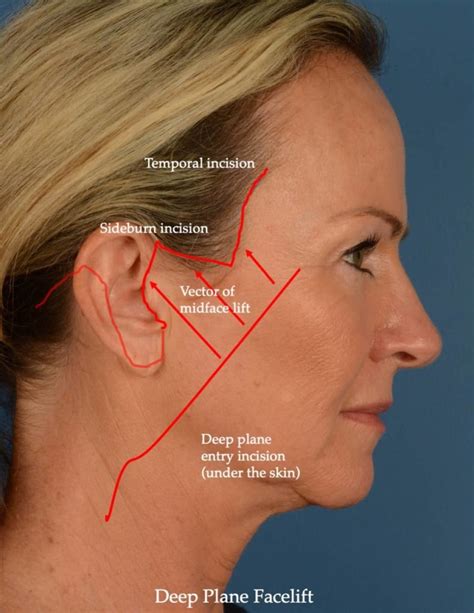
Facelifts typically involve incisions along the hairline, beginning at the temples and extending to the back of the ears and lower scalp area. During the procedure, tissue and muscles are tightened, and fat may be removed or transferred to different regions to adjust facial contours. The goal is to eliminate excess skin, tighten underlying musculature, and enhance lower facial and neck contours.
Facelift Techniques and Recovery
The techniques for a facelift can include a full facelift, mini facelift, or endoscopic facelift, chosen based on the signs of aging and desired results. The recovery period for a facelift typically ranges from about 2 to 3 weeks, during which patients might experience mild swelling, tightness, or numbness. Results from a facelift can last approximately 8 to 12 years with proper skin care and healthy habits.
A facelift procedure typically requires a two-week recovery period before patients are both physically and socially ready to return to work, though this can vary between individuals.
The Brow Lift Procedure
In contrast, a brow lift (also known as a forehead lift) refreshes the upper third of the face, focusing on the forehead, brows, and eyes. It is designed to soften frown lines, smooth forehead wrinkles, and lift sagging brows that can make a person appear tired or tense. In a brow lift procedure, a board-certified plastic surgeon lifts and repositions the underlying tissues, sometimes removing a small amount of excess skin to reduce deep creases. The change, while subtle, can be significant.
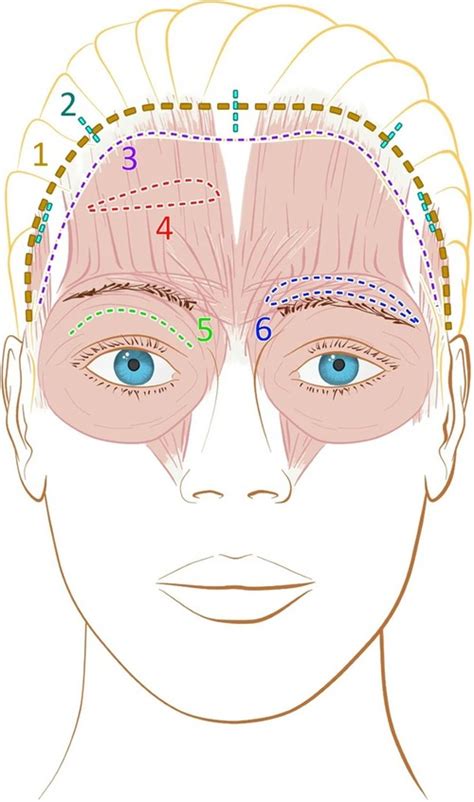
The endoscopic brow lift uses small incisions along the hairline, offering precise improvement with less downtime. The temporal lift gently raises the outer brow for a soft, natural curve. A brow lift is often the right option to improve signs of a descended brow, furrows and lines between the eyebrows, and creases along the forehead.
Brow Lift Techniques and Recovery
Techniques for a brow lift include endoscopic, temporal, or mini brow lift options, catering to subtle or more advanced rejuvenation needs. A brow lift surgery is typically performed under sedation or light anesthesia, often utilizing small incisions along the hairline to lift and reposition tissues. The recovery period for a brow lift is generally shorter, usually around 1 to 2 weeks, with less swelling and minimal downtime.
Results from a brow lift typically last 5 to 7 years, depending on skin quality and lifestyle. For individuals seeking a more youthful and refreshed upper facial appearance, brow lifts are ideal. They are often paired with traditional facelifts for more comprehensive rejuvenation.
Key Differences and Ideal Candidates
While both surgeries aim for facial rejuvenation, they address different areas and concerns:
| Feature | Facelift | Brow Lift |
|---|---|---|
| Focus Area | Targets the lower face and neck. Lifts jowls, smooths creases, and defines the jawline. | Focuses on the upper third of the face. Smooths forehead wrinkles, raises sagging brows, and opens the upper eyelids. |
| Procedure Type | Plastic surgery done under general anesthesia. Adjusts underlying tissues and removes excess skin. | Performed under sedation or light anesthesia. Small incisions along the hairline lift and reposition tissues. |
| Techniques | Full facelift, mini facelift, or endoscopic facelift. | Endoscopic, temporal, or mini brow lift. |
| Downtime/Recovery | About 2-3 weeks. Mild swelling, tightness, or numbness. | Shorter recovery, usually 1-2 weeks. Less swelling and minimal downtime. |
| Results Duration | 8-12 years with proper care. | 5-7 years, depending on skin quality and lifestyle. |
| Ideal Candidates | Sagging skin, loose jowls, loss of jawline definition. | Sagging brows, frown lines, forehead wrinkles making the face look tired. |
Ideal candidates for a facelift are typically those with significant sagging skin, loose jowls, and a loss of jawline definition. Conversely, a brow lift is best suited for individuals experiencing sagging brows, prominent frown lines, and forehead wrinkles that contribute to a tired or tense appearance.
It's a common misconception that a facelift can rejuvenate the entire facial aesthetic, including the upper facial areas. While a facelift addresses jowls, mid- to lower face and neck aging, it does not directly target the upper facial features like the brows and forehead. A brow lift, on the other hand, is the specific procedure for improving a descended brow, glabellar lines (between the eyes), and forehead creases.
Can Facelift and Brow Lift Be Combined?
Yes, a facelift and a brow lift can be performed together. A facelift restores structure to the lower face and jawline, while a brow lift opens and refreshes the upper third of the face. A board-certified facial plastic surgeon can design a plan that matches your aesthetic goals and ensures natural-looking results. Combining these procedures can lead to comprehensive facial rejuvenation, addressing aging concerns across multiple areas of the face.
When patients request to have their eyes addressed, the upper eyelid and brow are closely intertwined. Although a patient might generically point to the upper eyelid as the cause of dissatisfaction, a brow lift is often indicated as well. Combining a brow lift with a facelift does not generally require more recovery time, as the downtime for both procedures is similar.
Face Lift
Cost and Considerations
Cost is another factor to consider. Brow lifts are typically more affordable than facelifts because they target issues within a single region of the face. Facelifts, however, can address concerns across a broader area. A full facelift can range from $12,000 to $18,000, while a mini facelift may start around $8,000 to $10,000. Brow lifts and facelifts are tailored solutions, and their costs reflect the complexity and scope of the procedure.
Maintaining results is also important. Healthy habits, daily skincare, and sun protection help both facelift and brow lift results age gracefully. Many patients also maintain or enhance their results with non-surgical treatments like Botox, dermal fillers, or laser resurfacing.
Choosing the Right Procedure
The decision between a facelift and a brow lift, or a combination of both, depends on your specific concerns, aesthetic goals, and the areas of your face that show the most significant signs of aging. A brow lift raises the eyebrows and smooths the forehead, while a facelift tightens the skin and underlying tissues of the lower face and neck.
Choosing the correct procedure is a personal decision that should be guided by an experienced, board-certified plastic surgeon. During a consultation, the surgeon will perform a comprehensive evaluation of your skin, discuss your goals, and help determine the most ideal procedure or combination of procedures for your unique needs. They can help you achieve natural-looking results that meet your expectations.
Ultimately, the right procedure depends almost entirely on the cosmetic goals you hope to reach and where your problem areas are located. Think of a brow lift as a partial facelift that targets the upper half of the face to tighten and smooth loose and sagging skin around the eyes and forehead. A facelift, on the other hand, involves making discreet incisions at the hairline to tighten loose skin and contour the supporting muscle tissue, but it targets your whole face from the neck up.
If you are considering facial rejuvenation surgery, it is essential to optimize your health, as this will be the foundation for achieving the best results and smoothest healing. Research your surgeon thoroughly, choosing a board-certified plastic surgeon with substantial experience in facial rejuvenation procedures. Examine before and after photo galleries to get a sense of the surgeon's aesthetic eye. During your consultation, be open and honest about your goals and expectations, and trust your gut instinct. Prepare properly for surgery by anticipating downtime and adhere to all aftercare instructions provided by your surgeon. Recovery takes time and cannot be rushed.