Dealing with breakouts can be frustrating, but knowing how to effectively conceal them with makeup can boost your confidence. This guide, compiled with insights from professional makeup artists and dermatologists, offers a comprehensive approach to covering pimples, addressing various types of blemishes and skin concerns.
Understanding Your Skin and Makeup Choices
For those with acne-prone skin, extra care is essential when applying makeup. A witch hazel-based toner can be beneficial due to its antiseptic qualities, helping to combat bacteria that can worsen breakouts. Following this with a serum can provide an additional protective layer for the skin.
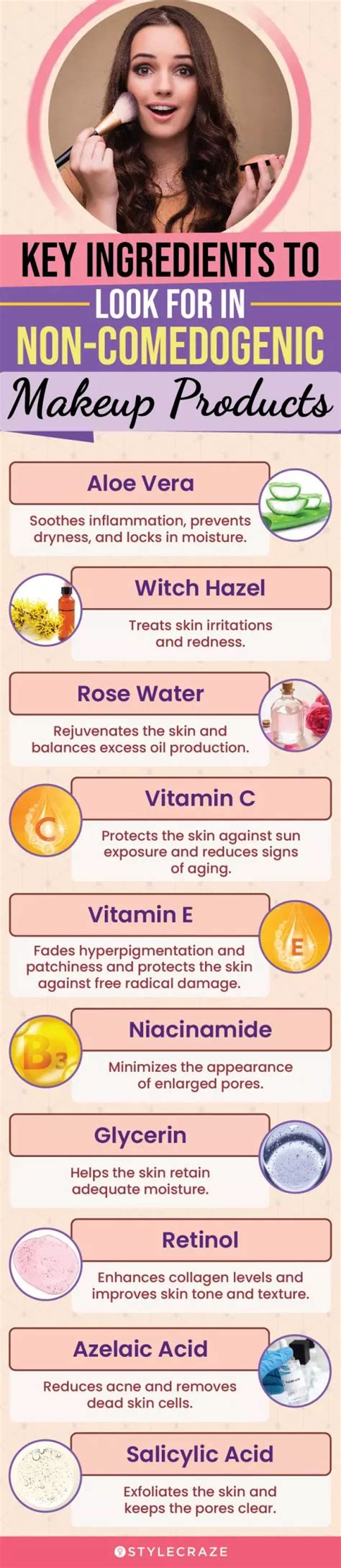
When selecting makeup, particularly foundations and concealers, it's crucial to be aware of potentially comedogenic ingredients that can trigger or exacerbate acne flares. Dermatologists often advise avoiding ingredients like:
- Silicone: While it smooths the skin's surface, silicone can remain in pores after washing, potentially leading to clogs.
- Oils: All types of oils, including natural ones, have the potential to clog pores.
- Lanolin: Derived from sheep's wool, lanolin is highly comedogenic.
- Talc: This common filler in makeup can be comedogenic and may cause dryness or irritation for sensitive skin.
Mineral makeup is often recommended as a gentler, noncomedogenic alternative that allows the skin to breathe and is less likely to clog pores.
Before applying any makeup, ensure your skin is clean. Use a gentle cleanser, avoiding harsh ingredients like alcohol. When washing, be careful not to rub your skin too vigorously. Always apply makeup with clean fingers or clean tools to prevent introducing bacteria to irritated areas.
Makeup Application Techniques for Different Blemishes
The approach to covering a pimple can vary depending on its type and appearance.
Whiteheads
For a whitehead, a concealer with a dry, thick consistency, often found in a pot or tube, is ideal. A thinner, wand-based concealer may be too slippery. Use a small, precise brush to apply the concealer directly onto the whitehead and the surrounding red area. Be as targeted as possible to avoid covering healthy skin, which can create an unintentional "bulls-eye" effect. Gently pat the area with a finger to ensure it doesn't appear raised. Instead of translucent powder, which can make a whitehead look shiny, set the concealer with a finely milled powder foundation that matches your skin tone.
As a creative alternative, if a whitehead is in a discreet location, makeup artist Mally Roncal suggests using a black eyeliner to transform it into a beauty mark.
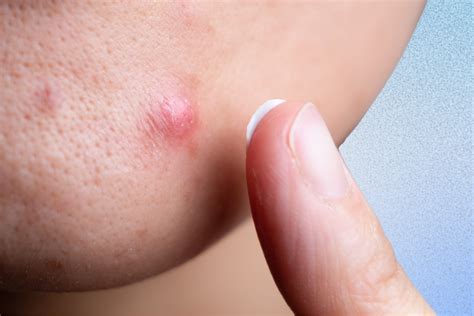
Cystic Breakouts
Cystic pimples, which are swollen and headless, can be addressed with compresses (icy or warm) to reduce inflammation and size. When concealing these, it's often best to avoid full-coverage foundation and opt for a combination of tinted moisturizer and lightweight concealer. The goal is to lessen the obviousness by matching the skin tone, rather than attempting to completely hide it, which can make the blemish appear larger. A smoky eye can also be a distraction, drawing attention away from the breakout.
Flaky, Dried-Out Blemishes
When acne medication leads to dry, flaky patches around a blemish, the first step is to hydrate the skin with a small amount of moisturizer. Gently remove any flakes before makeup application. You can soak the area with a warm, wet washcloth and then carefully trim any loose flakes with sterilized tweezers. Follow with an oil-free moisturizer or a hydrating mist to prep the skin before concealing. This ensures a smoother canvas for makeup.
Blackheads
Covering blackheads often requires a layered approach. Start with a thin layer of liquid or cream foundation, followed by a similarly colored concealer dabbed on for extra coverage. Pat the concealer to blend it seamlessly. If blackheads are still visible, apply more concealer with a precision eyeliner brush. Patience is key; covering a zit effectively may take multiple thin layers rather than one heavy application.
An alternative for blackheads is to use an oil-free foundation, concealer, and moisturizer to help hydrate the skin, even if it's oily. Proper hydration is crucial before applying dry makeup products to prevent a "concrete sidewalk" appearance.
Very Red Pimples
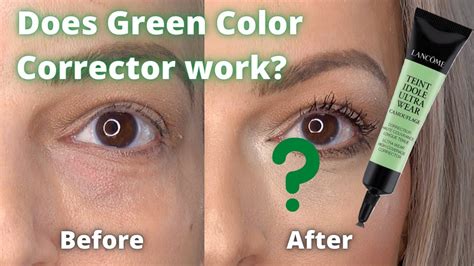
To neutralize intense redness, apply a green primer or green concealer directly onto the blemish. This color-correcting step helps cancel out the red tones. Afterward, apply a yellow-based concealer and gently feather the edges to blend it with the surrounding skin. Avoid applying too much powder, as excessive patting can remove concealer and make the zit appear worse.
Pimples in Awkward Places (e.g., Eyebrows)
For a pimple in the eyebrow, first consider suitable treatments like tea tree oil, sulfur, or retinol, and ensure thorough nightly cleansing. Avoid benzoyl peroxide, which can bleach brows. Separate the brow hairs and use a spoolie brush to dot on a redness-correcting concealer or foundation. Be careful not to get foundation on the hairs. Set with a sheer powder or a brow product that matches your natural brow color. For very pale or blonde brows, a green concealer might be needed to counteract redness before applying foundation and brow pencil. A wetter pencil, eyebrow marker, or pomade, followed by a brow powder, will adhere better and last longer.
Dark Spots (Post-Acne Marks)
Reddish-brown marks left by acne can be addressed with products designed to fight discoloration. A full-coverage powder foundation is often sufficient to cover these marks.
Scabs from Picking
If a pimple has been picked and turned into a wound or scab, gently clean the area and apply an antibiotic ointment. If it feels warm or tender in the following days, consult a dermatologist for a potential infection. For a dry, bumpy scab that's difficult to cover, use two concealers: first, apply a very light or white concealer to act as a base, let it dry, and then cover it with a concealer that matches your skin tone.
How To Cover Up Scars With Makeup!| Sian Taylor
Key Makeup Products for Covering Acne
To effectively conceal acne, incorporate these products into your makeup routine:
- Primer: Creates an even surface, extends makeup wear, and prevents makeup from caking around blemishes. Apply a small amount evenly over the skin and let it set before other products.
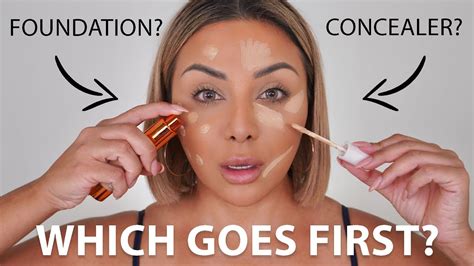
- Concealer: Plays a crucial role in hiding blemishes. Applying it before foundation can lead to a more even finish. Color-correcting concealers (green for red, peach/orange/red for dark spots on deeper skin tones) are beneficial. Dot concealer onto blemishes and gently dab to blend, avoiding rubbing.
- Foundation: Evens out skin tone and unifies other makeup products. Choose a formula that suits your skin type (liquid for dry, powder or cream-to-powder for oily). Apply in light layers, building coverage as needed.
- Setting Powder: Helps prevent shine and extend makeup wear, especially if you've used liquid or cream foundation. Opt for noncomedogenic or mineral powders. Dust lightly over the face in a circular motion.
Important Considerations for Acne-Prone Skin
While makeup can conceal acne, it does not treat it and can potentially worsen breakouts if not used correctly. Always clean your skin gently before applying makeup, and use clean fingers or tools to avoid spreading bacteria. When covering acne, blending is key to achieving a natural, non-cakey look.
Removing Makeup to Prevent Further Breakouts
Effective makeup removal is as important as proper application for maintaining clear skin. Consider these practices:
- Use Face Wash with Enzymes or Acids: These ingredients provide chemical exfoliation to thoroughly clean pores.
- Wash Your Face Twice (Double Cleansing): Even noncomedogenic makeup can clog pores if left on the skin. Double cleansing helps remove all makeup residue and debris.
- Use a New Washcloth Daily: Wet washcloths can become breeding grounds for bacteria. Use a fresh one each time you wash your face and launder them regularly.
If acne causes significant distress or your current skincare and makeup routine isn't helping, consulting a dermatologist is recommended. They can offer professional guidance on treating acne and selecting suitable, acne-friendly makeup products.