Tired of acne and breakouts that never seem to go away? In the journey of motherhood, breastfeeding often surfaces as both a precious bonding experience and a source of numerous benefits for the infant. But as many new mothers seek natural remedies for common skin conditions, such as acne, an intriguing question arises: Can breast milk, a substance known for its nutritional and immunological advantages, extend its benefits to the realm of skincare?
Understanding Acne
Acne affects individuals of various ages, with its roots in hormonal changes, bacteria, and inflammation. Acne is a common skin condition that we often encounter, especially during adolescence, but it can affect individuals at any stage of life, including infancy and adulthood. The primary culprits behind acne are hormones, bacteria, and excess oil production.
Factors Contributing to Acne
- Hormones: Fluctuations in hormones can cause our sebaceous glands to overproduce oil.
- Bacteria: The bacteria Propionibacterium acnes are naturally present on our skin.
- Lifestyle and Environment: Our skin is also influenced by our lifestyle and environment. This includes factors such as diet, stress levels, and the use of certain medications.
- Genetics: Genetics can also play a role; if your family members have a history of acne, you might be more prone to it.
Despite the commonality of this condition, each person’s skin is unique. Lastly, it is essential to approach acne treatment with patience.
The Composition of Breast Milk and its Potential Skincare Benefits
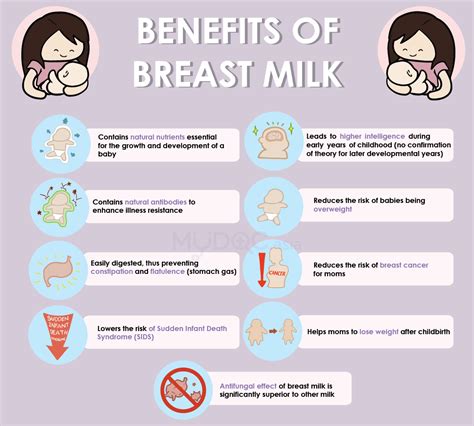
On the other hand, the unique composition of breast milk, rich in antibodies, antimicrobial agents, and essential fats, positions it as a candidate for skincare routines. Breast milk is not only a source of nutrition for infants but also contains components that may confer skin benefits.
Key Components of Breast Milk
- Antibacterial Properties: Breast milk is recognized for its antibacterial properties, attributed largely to the presence of substances such as lactoferrin and immunoglobulins. Lactoferrin, for instance, has the capacity to inhibit the growth of bacteria by binding to iron, which many pathogens require for survival. Similarly, immunoglobulins in breast milk actively protect against infections.
- Nutritional Content: The nutritional content in breast milk, including vitamins, minerals, and amino acids, is crucial for infant development but might also play a role in skin health. Specifically, vitamin A and vitamin E have antioxidant properties that can support skin integrity and healing.
- Hormones: Moreover, breast milk contains hormones such as estrogen and progesterone, which could influence skin conditions.
While research into the effectiveness of breast milk as a treatment for acne is still developing, its application carries the promise of leveraging natural substances to manage skin conditions.
Exploring the Evidence: Clinical Research and Anecdotal Accounts
Clinical research on breast milk as an acne treatment is not extensive, but some studies suggest that the anti-inflammatory and antibacterial properties of breast milk may offer benefits. More directly related to the topic, lactoferrin, a component of breast milk, has been known for its antibacterial effects, which may theoretically be beneficial in acne treatment.
Anecdotal Evidence and Emerging Trends
Anecdotal evidence, drawn from personal experiences, often paints a different picture. Many new mothers and individuals have shared personal accounts of using breast milk to clear up baby acne, suggesting it can act as a gentle and natural remedy. It's important to note that these anecdotes do not constitute clinical evidence, and what works for one individual may not work for another.
A model and influencer is making news for using her sister’s breast milk as part of her skincare routine. According to an article in People magazine, Quenlin Blackwell uses the breast milk for baths and face masks. Dermatologist Dr. Naana Boakye said breast milk has shown potential for soothing inflammatory skin conditions as well as moisturizing and strengthening the skin barrier. Dr. Boakye recommends people patch test first and only use fresh or properly stored breast milk.
The Super Mom Milk Facial is the latest beauty facial claiming to clear up adult acne and eczema. The treatment uses the breast milk of lactating mothers mixed with white clay, lavender and vitamin E to create a paste that is applied during a normal facial. Human milk is packed with antibodies that protect babies from illness, infections and even asthma. This milk contains lauric acid, which helps soothe irritating skin and reduce spots. But it is difficult to source breast milk, so clients must book the procedure a few days in advance. "We source the milk from lactating mothers - for whom it is also a source of income - so the treatment is expensive," says cosmetologist Jaishree Manchanda. Breast milk is also used as a cleanser, makeup remover and lip moisturizer. "Many women use their own breast milk to rejuvenate their tired skin. It is scientifically proven that breast milk can replace botox," Jaishree adds.
Personal Journey and Trial Results
For many, acne is a persistent concern. Men tend to outgrow acne by their early twenties, but for adult women who suffer from acne, women's acne is often hormonally based and can continue until menopause. Various treatments exist, including benzoyl peroxide, which works by suffocating acne-causing bacteria, and treatments involving BHA (salicylic acid) and retinol, which work by unclogging pores and promoting skin cell turnover.
One individual's experience highlights the challenges of managing sensitive skin that becomes raw, red, peeling, and prone to breakouts. After trying various treatments, including the Oil Cleansing Method, which was not sufficient to prevent breakouts, the decision was made to try breast milk.
The Breast Milk Acne Trial: A Week-by-Week Account
The rationale for using breast milk is based on its components like lauric acid, which may help exfoliate and has antibacterial properties. The trial involved applying expressed breast milk to the face twice daily, with no other facial cleansing products used.
Beginning of Week 1:
Applying the breast milk was a little tricky due to its thin consistency, but ample amounts were used. Initial results showed skin feeling tight and flaky, suggesting the presence of acid in the milk. The routine was simple, with no special products or prep work required, and the face was only washed with water to avoid tampering with the results.
End of Week 1:
Breakouts began to appear, with several large pimples on the chin and tiny bumps on the forehead. The breast milk felt slightly drying, causing the skin to feel tight after application. This raised questions about its suitability for facial skin compared to its use on cracked nipples, as body skin is generally less sensitive.
End of Week 2:
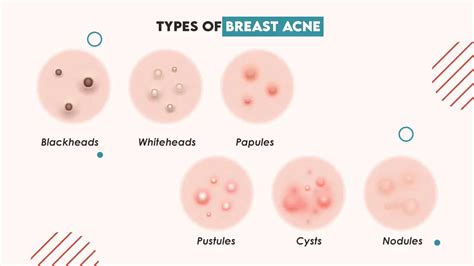
The condition worsened significantly, with multiple large zits and smaller pimples appearing. Red dots emerged on the forehead, and an increase in blackheads was observed. The zits were painful, and the prospect of continuing the trial for the full six weeks seemed daunting, especially with social events planned.
Reflection and Reader Input
The personal trial suggested that breast milk, like the oil cleansing method, might work for mild to moderate acne sufferers. However, for the individual in the trial, it led to a worsening of acne. The question was posed to readers: would they continue such a trial, or should a different test subject with milder acne be found?
Expert Opinions and Alternatives
While anecdotal evidence suggests some people find applying breast milk to acne beneficial, these accounts do not constitute definitive scientific proof. Most studies on breast milk focus on its nutritional benefits for newborns and infants rather than its topical use for skin conditions.
Potential Risks and Considerations
Using breast milk for acne, particularly persistent or severe cases, could delay administering more effective treatment. Not only could using breast milk for acne potentially trigger skin irritation or an allergic reaction, but it might also inadvertently delay more fitting treatment. As with any substance, it's possible for an individual to have an allergic reaction to breast milk, which could result in a rash or skin irritation.
As an alternative, products such as those in the Exposed Skin Care line may offer a potentially effective route for managing acne, targeting the condition's root causes.
Common Questions About Using Breast Milk for Acne
- Q: What is the common method for applying breast milk to acne?
A: The common method involves applying a few drops of breast milk onto the affected area using a cotton ball, letting it air dry, and then rinsing it with warm water. - Q: Is it effective to apply breast milk to your face?
A: While you can technically apply breast milk to your face, it's important to remember that the efficacy of this treatment is not backed by scientific evidence. - Q: What are general recommendations for managing acne?
A: Gentle skincare practices can help manage acne. - Q: Can you have an allergic reaction to breast milk on your skin?
A: As with any substance, it's possible for an individual to have an allergic reaction to breast milk, which could result in a rash or skin irritation.