Hyaluronic acid is a ubiquitous ingredient in the beauty world, and for good reason. While its presence is widespread, understanding its scientific function can be beneficial for optimizing its use in your skincare routine.
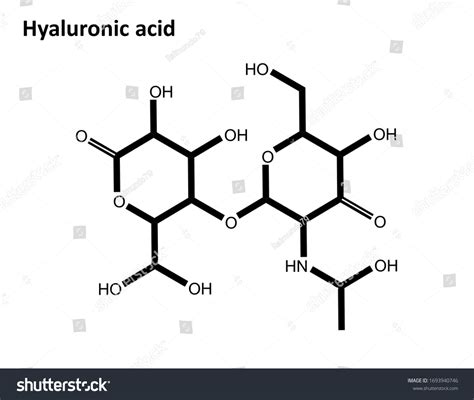
What is Hyaluronic Acid?
Hyaluronic acid is a large molecule that is naturally produced by your body. It is found in various tissues, including bones, cartilage, tendons, ligaments, lips, and most notably, the skin. "Almost half of the body’s hyaluronic acid is found in skin," states board-certified dermatologist Fayne Frey, MD. Cosmetic chemist Vanessa Thomas explains that hyaluronic acid can "hold 1,000 times its weight in water," as it binds to water molecules to retain moisture in the skin and joints.
The chain-like structure of hyaluronic acid, a type of polymer, provides numerous spots where other chemical compounds, such as water, can attach. This property makes it exceptionally effective at absorbing water, positioning it as a key ingredient in moisturizing products. Furthermore, its structure allows it to act as a scaffold, supporting tissue growth, which is a crucial aspect of wound healing. Scientists have also observed hyaluronic acid in human embryos, leading to ongoing research into its role in reproduction and development.
As humans age, their natural levels of hyaluronic acid begin to deplete. This decrease contributes to skin becoming drier and feeling thinner over the years. Consequently, people often turn to skincare products containing hyaluronic acid to supplement their body's natural supply.
What Can Hyaluronic Acid Do for Your Skin?
Hyaluronic acid is primarily known for its skin-related benefits. In skincare products, it functions as a humectant, a substance that aids the skin in retaining water. Dr. Frey adds that it "helps hydrate the outer layers of skin, thereby improving the skin’s appearance." Hydrated skin is often perceived as more radiant and youthful-looking.
Beyond its moisturizing capabilities, hyaluronic acid offers a range of other benefits:
- Hydrates Skin: Hyaluronic acid's remarkable ability to draw and lock in moisture makes it a staple in many skincare products. Studies have demonstrated that topical application of novel nano hyaluronic acid in lotion, cream, or serum form can significantly boost skin hydration and elasticity.
- Smooths Skin Texture: Environmental stressors and the aging process can lead to rough, callused skin that has lost its elasticity. Using hyaluronic acid can help smooth the skin's texture and has been shown to reduce roughness.
- Anti-Aging Effects: Changes in hyaluronic acid levels throughout the aging process can contribute to the appearance of wrinkles. While hyaluronic acid cannot permanently reverse aging, its plumping and hydrating effects can diminish the visibility of fine lines and promote a more youthful appearance. It's important to note that claims of it being "the key to the fountain of youth" are largely marketing hype, as science has yet to find a single ingredient that can reverse or slow the aging process.
- Assists with Wound Healing: Hyaluronic acid plays a role in the natural healing processes of the body.
- Helps Repair Damaged Skin: Its properties can aid in the repair of skin that has been compromised.
- Acts as an Antioxidant: It helps protect the skin from damaging molecules known as free radicals.
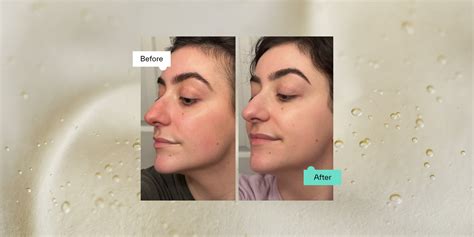
Who Should Use Hyaluronic Acid?
Hyaluronic acid is a versatile ingredient that can benefit individuals of any skin type, including those with sensitive skin or a tendency towards breakouts. It is also considered safe for use during pregnancy and nursing.
Dermatologists can offer personalized advice and product recommendations tailored to specific skin types or concerns. While hyaluronic acid is generally safe, it's important to be aware of potential side effects, which may arise from other ingredients in the product, the frequency of application, or a concentration exceeding 2 percent. It is always advisable to patch-test any new product before widespread application. If adverse effects occur, consulting a dermatologist or healthcare professional is recommended.
What About Mixing Hyaluronic Acid with Other Skincare Ingredients?
Hyaluronic acid generally works well with most common skincare ingredients, including:
- Retinol
- Vitamin C
- Alpha Hydroxy Acids (AHAs)
- Beta Hydroxy Acids (BHAs)
This compatibility means you typically do not need to overhaul your existing routine when introducing hyaluronic acid. However, it is always best to follow specific product instructions and begin slowly when incorporating new ingredients.
Hyaluronic Acid + Retinoids
Hyaluronic acid can be used alongside retinoids. If you have sensitive skin, applying hyaluronic acid before your retinoid can help buffer its effects and provide hydration.
Hyaluronic Acid + Vitamin C
Vitamin C and hyaluronic acid form a gentle yet powerful skincare combination. The benefits of both ingredients complement each other, contributing to a rejuvenating effect. Applying vitamin C in the morning and hyaluronic acid in the evening is a common practice, or they can be used together if formulated to do so.
Any Mixtures to Avoid?
While hyaluronic acid is compatible with most ingredients, it's crucial to avoid high concentrations of certain ingredients that might counteract its benefits. For instance, using hyaluronic acid with harsh ingredients like alcohol or fragrances can lead to irritation or dryness. It's also important to note that moisturizers with excessively high humectant levels can, paradoxically, lead to increased water loss from the skin. Always check product formulations and consider consulting with a skincare professional if you have concerns about ingredient compatibility.
How to Use Hyaluronic Acid in Your Skincare Routine, Step by Step:
Integrating hyaluronic acid into your skincare routine is straightforward. The specific application may vary slightly depending on the product format (serum or moisturizer).
1. Cleanse Your Skin
Begin with a gentle cleanse to remove impurities and prepare your skin for product absorption. Opt for a soft cleansing foam that leaves the skin feeling clear yet comfortable.
2. Add in an Eye Gel with Hyaluronic Acid (Optional)
Hyaluronic acid formulas specifically designed for the eye contour area can be highly beneficial. They help restore elasticity and moisture levels around the eyes, thanks to their ability to bind to water.
3. Apply a Soothing Hyaluronic Acid Serum
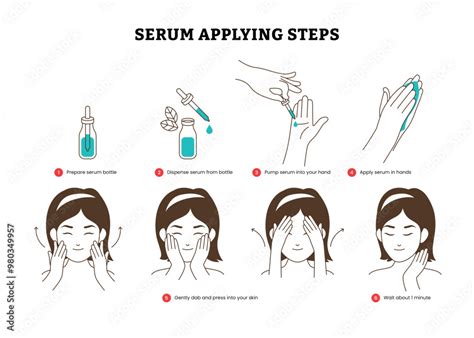
Smooth on a hydrating serum both in the morning and evening. This step helps replenish and boost your skin’s moisture levels, resulting in a more radiant complexion. For serums, it's often recommended to apply them to damp skin. Gently press a couple of drops into your face with your palms.
4. Seal in Moisture with an HA Cream
Hyaluronic acid creams work to retain hydration, acting as a crucial layer that seals in moisture. Moisturizers containing hyaluronic acid help maintain water levels, providing sustained hydration throughout the day.
5. Reach for a Sunscreen with Hyaluronic Acid
Every day, regardless of the season, the final step of your morning skincare routine should be a high SPF, broad-spectrum sunscreen. A hydrating sunscreen formulated with hyaluronic acid can be an excellent choice for all skin types, offering protection while maintaining moisture. Look for lightweight formulas that are not greasy or heavy.
My Go-To Morning Skincare Routine 🌞 | Clear, Hydrated & Glowing Skin!
One Step Further: Nails Need Moisture, Too
Did you know that hyaluronic acid can also help strengthen and moisturize nails and cuticles? A specific form, cationic hyaluronic acid, acts as an enhanced version that moisturizes the nail plate and cuticle.
Your Questions Answered
How Often Should I Use It?
Generally, you can safely use hyaluronic acid both morning and night. However, it's always best to follow the specific instructions on your product packaging. Visible effects of hydration may appear quickly, often within minutes, leading to plumper, more hydrated skin. However, any rejuvenating effects, such as a reduction in the appearance of fine lines, typically take at least 30 days to become noticeable.
Is Hyaluronic Acid Safe?
Yes, hyaluronic acid is generally considered safe for topical use. Allergic reactions are rare as it is a natural component of the skin. However, if you experience any adverse effects, it's advisable to consult a dermatologist or healthcare professional. Over-the-counter hyaluronic acid serums, creams, and lotions are considered safe for skin application. Oral supplements are also generally safe, but it's good practice to inform your healthcare provider about any supplements you take. Prescription products and injections should only be administered by licensed medical professionals.
What to Look for in a Hyaluronic Acid Product?
When selecting a hyaluronic acid product, consider the following:
- Concentration: While hyaluronic acid is beneficial, avoid products with concentrations exceeding 2% if you have sensitive skin, as higher levels can potentially cause irritation or dryness.
- Molecular Weight: Hyaluronic acid comes in different molecular weights. Lower molecular weight molecules can penetrate deeper into the skin, potentially offering more significant long-term benefits for wrinkles, while higher molecular weight molecules may create a film on the skin's surface for immediate surface hydration.
- Formulation: Look for water-based formulas. Avoid products with harsh ingredients like alcohol and fragrance, especially if you have sensitive skin.
- Complementary Ingredients: Ingredients like Vitamin C and Vitamin B5 can enhance the benefits of hyaluronic acid by providing antioxidant protection and further softening the skin.
- Occlusive Ingredients: For moisturizers, look for occlusive ingredients such as shea butter, cocoa butter, avocado oil, beeswax, carnauba wax, lanolin, and stearic acids, which help to lock in moisture and prevent evaporation.