Mandelic acid has emerged as one of this year's buzziest additions to the arsenal of anti-aging offerings. It is an alpha hydroxy acid (AHA) derived from bitter almonds, favored for its gentle yet efficacious nature. While it may seem new, mandelic acid has been popular among dermatologists for a long time and is gaining increasing consumer awareness.
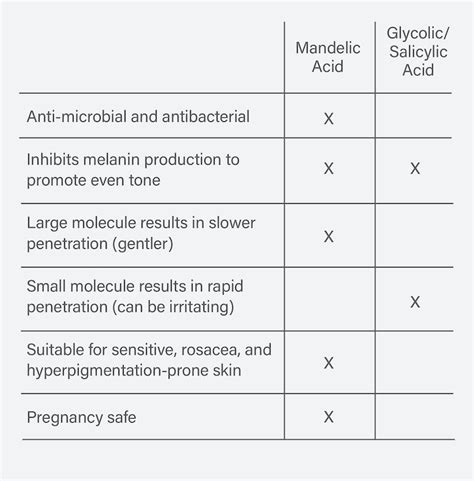
Dermatologists note that mandelic acid gained traction in the late '90s, and its benefits are widely accepted in skin-expert circles. Its growing acclaim is likely due to its unique properties. Mandelic acid is larger in molecular size compared to other AHAs like glycolic acid. This means it penetrates the skin more slowly and is less likely to cause irritation, making the benefits of chemical exfoliants available even to those with sensitive skin.
What Are the Benefits of Mandelic Acid?
Like other AHAs, mandelic acid mitigates the signs of aging through chemical exfoliation. Exfoliation removes dead cells from the skin's surface, reducing dullness and revealing brighter, healthier-looking skin. This process also helps discourage the formation of wrinkles and fine lines while improving skin texture and tone. It is also effective for addressing skin conditions like hyperpigmentation and dark spots.
For those dealing with breakouts, mandelic acid is a valuable addition to a skincare routine. Its regenerative exfoliation, combined with antibacterial properties, helps to clear acne-prone skin by preventing clogged pores and regulating sebaceous glands, all without causing irritation.
Furthermore, research indicates that mandelic acid stimulates the skin's natural regenerative processes, accelerating cell turnover and promoting collagen production for firmer skin. It is particularly beneficial for individuals who spent significant time in the sun without protection, as it is a great tool for diminishing the appearance of dark spots left behind by sun damage or breakouts.
After age 30, collagen production decreases by one percent annually, which can lead to the development of fine lines and wrinkles. Mandelic acid can address this by promoting collagen production, contributing to firmer and more youthful-looking skin.
How to Use Mandelic Acid
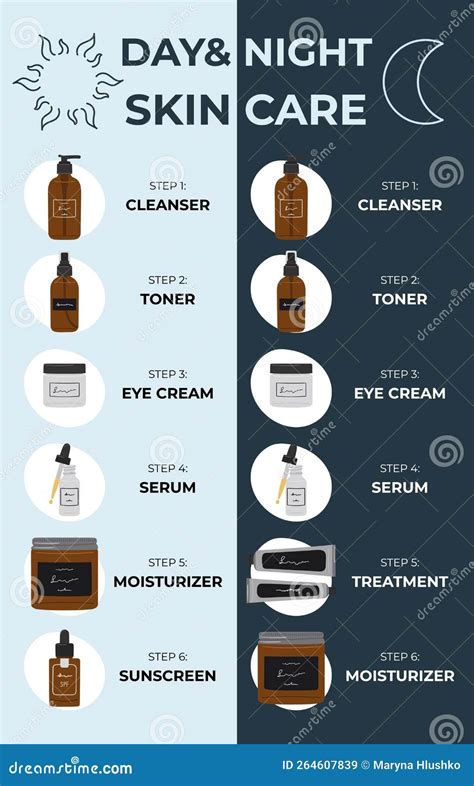
Mandelic acid can be incorporated into either your morning or evening skincare routine, with careful consideration. Initially, it is advised to use mandelic acid products once or twice a week, gradually increasing the frequency as your skin adjusts. Using any AHA at night is generally recommended due to increased sun sensitivity. Regardless of the chosen routine, prioritizing sunscreen is crucial to avoid sun damage.
It is suggested to start with a nighttime serum containing mandelic acid, ensuring avoidance of other AHAs, BHAs, or retinols during the initial introduction phase. Once your skin has adjusted to mandelic acid, you may be able to reintroduce other products gradually and monitor your skin's response.
Pay attention to the concentration of mandelic acid in products; higher concentrations may be more effective but also carry a greater risk of irritation. After exfoliation, it is important to use your preferred moisturizer to rehydrate and protect the skin barrier.
How Does Mandelic Acid Compare to Similar Ingredients?
Mandelic acid features a larger molecule size compared to other AHAs like glycolic acid, resulting in slow and uniform penetration. This characteristic makes mandelic acid a milder choice than glycolic acid, offering similar benefits at a gentler pace.
Retinol, a potent derivative of vitamin A, offers many of the same benefits as AHAs, including increased collagen production, accelerated skin cell turnover, diminished fine lines, and clearer, brighter skin. While both retinol and mandelic acid are considered "active" ingredients, they can be used together, but it is important to start slowly, patch test, and consult a dermatologist.
Key Differences:
- Molecular Size: Mandelic acid has a larger molecule size than glycolic acid, leading to slower penetration and less irritation.
- Penetration: Mandelic acid's larger size means it penetrates the skin more slowly and evenly.
- Gentleness: Mandelic acid is generally considered gentler and better suited for sensitive skin compared to glycolic acid.
- Oil Solubility: Mandelic acid is more oil-soluble than most AHAs, allowing it to penetrate deeper and help balance sebum production without causing dryness.
What Are the Downsides of Mandelic Acid?
Although mandelic acid is considered gentle, it is still a topical acid and should be used with care. Similar to other alpha hydroxy acids, potential side effects include redness, peeling, and skin irritation. Overuse of AHAs can lead to irritant dermatitis and even chemical burns.
It is crucial to avoid using retinol on the same day as mandelic acid, as both are exfoliants and combining them can cause redness and irritation. Consistency in application is key to achieving the most benefits from mandelic acid, and proper aftercare is essential.
How to test skin care products at home
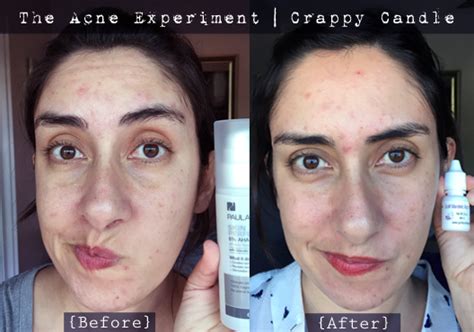
The effectiveness of mandelic acid is often highlighted by user testimonials. Many have reported significant improvements in acne, hyperpigmentation, and overall skin texture after consistent use. For instance, some individuals have experienced a reduction in acne and dark spots within weeks, noting a huge difference in their skin's appearance.
One user shared their experience of transforming congested skin with cystic spots, trapped pores, whiteheads, and redness into clear and smooth skin, with reduced breakouts and redness. Another testimonial mentioned seeing good results after battling acne for over six months and trying numerous products, with faded dark spots within weeks.