If you’ve ever wished for clearer, more even-toned skin without going under the knife or dealing with a long recovery, an IPL photofacial might be exactly what you need. IPL stands for Intense Pulsed Light, and it’s a treatment that uses light energy to target unwanted pigmentation, redness, and uneven skin tone.
Understanding IPL Photofacial
What is IPL Photofacial?
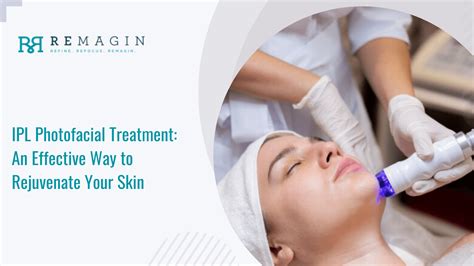
An IPL photofacial is a non-invasive cosmetic treatment that uses Intense Pulsed Light (IPL) to enhance the skin’s appearance. This versatile procedure is designed to treat a variety of skin conditions such as sun damage, age spots, rosacea, and broken capillaries.
How Does IPL Photofacial Work?
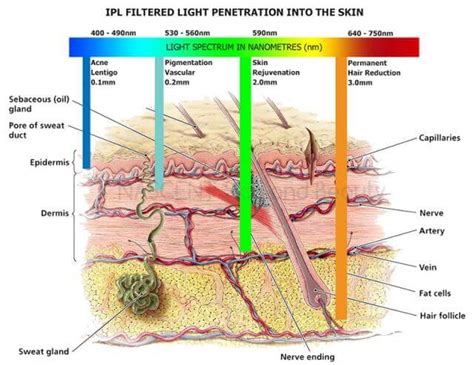
During an IPL Photofacial, pulses of light penetrate the skin to target pigmented or damaged cells. This process stimulates the body’s natural healing response, encouraging collagen production and helping to even out skin tone. Unlike lasers, which use a single wavelength of light, IPL delivers multiple wavelengths, allowing it to address multiple issues at once. The light energy targets the pigmented cells in the skin tissue, effectively breaking up unwanted pigmentation. Over the next week or so, the treated area darkens and peels, revealing smoother, more evenly-toned skin. IPL treatments target pigmented and discolored sunspots which are rapidly exfoliated in order to revitalize damaged tissue.
IPL vs. Laser Treatment
Both IPL and laser treatments can be used to improve a variety of skin issues. The main difference is that IPL therapy is gentler on the skin and usually requires more sessions than laser therapy for comparable results. Laser treatment is more intense and recovery is longer, but it can achieve more noticeable results from fewer procedures. However, unlike lasers, an IPL device sends out more than one wavelength of pulsating light, allowing IPL to treat a range of skin conditions at the same time.
Benefits of IPL Photofacial
IPL is a versatile treatment that can address a wide range of skin concerns. Many patients turn to IPL to reduce the appearance of sun damage, including freckles, sunspots, and other pigmentation issues caused by UV exposure. Beyond pigmentation and redness, IPL can improve skin texture by stimulating collagen production, which helps smooth out fine lines and gives the skin a firmer, more youthful appearance.
Tackles Sun Damage & Age Spots
One of the biggest IPL photofacial benefits is its ability to fade sun spots, freckles, and age spots. After a few sessions, these spots typically darken, flake off, and reveal clearer skin underneath. You may see a 70% reduction in brown spots and redness caused by ultraviolet (UV) rays.
Reduces Redness & Broken Capillaries
For those struggling with rosacea or persistent redness around the nose and cheeks, IPL photofacial treatments are a game-changer. The light targets the hemoglobin in the blood, collapsing broken blood vessels so they are reabsorbed by the body. The result? A more even, calm complexion. Vbeam laser and IPL treatments are highly effective solutions for broken capillaries and facial redness. Both technologies work through selective photothermolysis, a process in which specific wavelengths of light target hemoglobin within visible blood vessels. The light energy is converted to heat, safely collapsing the unwanted capillaries while preserving the surrounding skin.
Boosts Collagen Production for Youthful Skin
During the IPL photofacial process, the light pulses penetrate through the layers of skin, effectively removing damaged cells without affecting the sensitive tissue below. This process stimulates collagen production in your skin, which can help to smooth out wrinkles and give your skin a more youthful appearance. The heat from intense pulsed light therapy triggers a healing response in the deeper layers of the skin.
Treats Acne & Acne Scars
IPL photofacial treatments extend to acne too. Certain wavelengths of light can kill acne-causing bacteria and reduce inflammation. Plus, by promoting skin rejuvenation and turnover, it can help fade the red or brown marks left behind by old breakouts (acne scars), leading to smoother skin appearance.
Unwanted Hair Reduction
While not its primary marketing point for facials, intense pulsed light technology is the same IPL tech used for hair removal. While a photofacial setting is different from a hair removal setting, most patients notice a reduction in fine, unwanted hair (peach fuzz) on the face as a bonus side effect.
Convenience and Minimal Downtime
One of the most appealing aspects of IPL is its convenience. Each session only takes about 20-30 minutes. Unlike more aggressive resurfacing procedures, IPL photofacials are non-invasive, meaning no needles, no anesthesia, and no lengthy recovery period. Most people experience only mild warmth or redness for a few hours afterward. You can resume your daily activities right after the treatment.
Risks and Downsides of IPL Photofacial
While IPL is generally safe and well-tolerated, it’s important to understand the potential risks. Like any medical procedure, IPL photofacial treatments can occasionally lead to side effects. Though these are generally mild and temporary, it’s important to be aware of them.
Skin Type Limitations
One important consideration is that this treatment isn’t suitable for all skin types. IPL therapy works best on light to medium skin tones. Because the light targets pigment, there’s a risk for those with darker skin tones. In darker skin, the device might not distinguish between the sun damage you want to remove and your natural skin pigmentation. This can lead to burns or uneven pigmentation. Some newer devices are safer for a wider range of skin tones, but you absolutely must consult with a provider experienced in treating diverse skin types. IPL targets pigment, which means it may not be suitable for individuals with tanned or darker skin tones.
Potential Side Effects
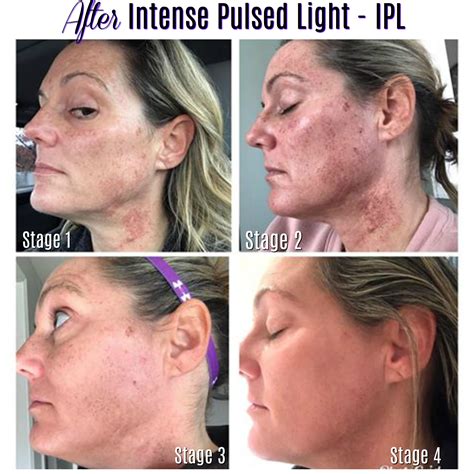
Some patients may experience temporary redness, swelling, or mild discomfort during or after the treatment. These side effects usually subside within a few hours to a day. In rare cases, IPL can cause blistering, changes in skin pigmentation, or scarring, particularly if the treatment is not performed by a qualified professional. Increased skin sensitivity, manifesting as redness, tenderness, or swelling in the treated area, is another possible side effect. This typically resolves within a few days with proper post-treatment care. Mild pain and redness also may occur during or after treatments. You may feel a slight stinging or burning sensation, or like a rubber band hitting your skin. It may feel like you have a sunburn for 4-6 hours after you’re finished. Ice packs or a cool washcloth can help you feel better. Your skin may be red or bruised for a day or two.
Not a Permanent Solution
While IPL photofacial can provide significant improvement in skin appearance, it’s worth noting that it doesn’t offer a permanent solution. Most people require 4-6 treatments spaced 4-6 weeks apart for optimal results. Regular maintenance sessions are usually necessary to maintain the benefits. Skin improvements often last 6 months to 1 year. Doing more treatments can help you keep your results. Treated veins or spots don’t come back, but new ones might show up later. You can get follow-up treatments once or twice a year to maintain your look.
Cost and Multiple Sessions
IPL photofacials may require a series of sessions, so costs can add up depending on your goals and treatment area. In 2025, the average fee was between $300 and $600 per session. Usually, cosmetic procedures aren’t covered by insurance.
Is IPL Treatment Right for You?
IPL is an excellent option for many people, but it’s not the right choice for everyone. Ideal candidates typically have lighter skin tones and are looking to address concerns like sun damage, redness, or uneven pigmentation. However, IPL may not be suitable for individuals with darker skin tones, certain medical conditions, or those who are pregnant. Some people see dramatic results after a single treatment, while others notice more gradual improvements.
Ideal Candidates
You are likely a great candidate if you have:
- Sun damage
- Uneven skin tone
- Broken capillaries
- Spider veins
- Rosacea
- General redness
- Acne scars
IPL is safest for lighter to medium skin tones.
Who Should Avoid IPL?
IPL isn’t a good idea if you:
- Are sensitive to light
- Have recently tanned your skin using sunlight, tanning beds, or tanning creams
- Might have skin cancer
- Use a retinoid cream
- Are very dark-skinned
- Have a skin resurfacing disorder
- Have severe scarring
- Have keloid scar tissue
Talk to your doctor first if you:
- Are pregnant
- Have a skin condition
- Have a sunburn
- Take medication for other conditions such as blood thinners or the acne drug isotretinoin, better known as Accutane
Preparing for and After IPL Photofacial Treatment
Preparation
Proper preparation is key to ensure a successful IPL photofacial treatment. In the weeks leading up to your IPL photofacial, there are certain activities and skincare products you should avoid. Stay out of the sun for at least a week, ideally two weeks, prior to your treatment. This helps avoid complications like burning. Also, skip self-tanners and tanning beds for at least two weeks before your appointment. Stop using waxing products, peels, and topical creams that contain retinol or glycolic acid. These can make your skin more sensitive and potentially interfere with the IPL procedure.
Post-Treatment Care
After an IPL photofacial treatment, you might notice some redness and swelling. This is normal and should subside within 24-48 hours. Occasionally, you might experience some crusting or blistering, but this typically goes away within a few days. In some cases, the treated area will darken and start to peel over the next week, revealing smoother, more evenly-toned skin underneath. It’s important not to pick or scratch the treated skin, as it may lead to complications. Your skin will be sensitive to sunlight both before and after the treatment. It’s crucial to avoid direct sun exposure and use a broad-spectrum sunscreen when outdoors during the daytime. This not only protects your skin from potential sun damage but also aids in the healing process. During the recovery period after your IPL treatment, it’s crucial to steer clear of skincare products containing harsh chemicals like retinoids, glycolic acid, or alcohol-based formulas. These ingredients can irritate freshly treated skin, delay the healing process, and increase the risk of inflammation or adverse reactions. Instead, opt for gentle, fragrance-free products that support barrier repair and hydration.

IPL for Dry Eyes
IPL has gained recognition as an innovative dry eye treatment option, particularly for patients with meibomian gland dysfunction (MGD). The light pulses help to reduce inflammation around the eyelids, stimulate oil production in the glands, and improve tear film stability. As a result, many patients experience relief from dry eye symptoms like irritation, burning, and blurry vision.
Conclusion
IPL photofacials are an amazing option if you want clearer, more even-toned skin without downtime. If you’ve been searching for a way to rejuvenate your skin and address concerns like sun damage, redness, or uneven tone, you’ve probably come across IPL treatment. IPL treatment can be an effective way to treat a variety of skin conditions such as age spots, fine lines, acne, redness, and unwanted hair. You’re likely to see good results with minimal side effects, but IPL therapy is not right for everyone. Consult with a dermatologist to find out if IPL treatment is a good option for you.
tags: #ipl #photofacial #santa #monica