Understanding the role and effectiveness of sunscreen is crucial for protecting your skin from the damaging effects of the sun's ultraviolet (UV) radiation. While the concept of Sun Protection Factor (SPF) might seem straightforward, its application and interpretation can be complex. This article delves into the benefits and potential risks associated with using sunscreens, particularly focusing on SPF 30 and higher, for facial protection.
Understanding UV Radiation and SPF
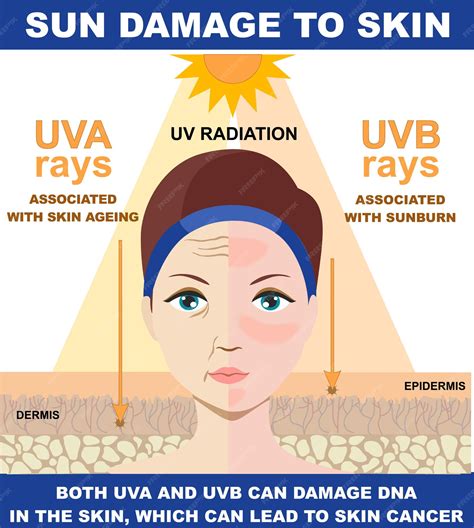
The sun emits ultraviolet (UV) radiation, which is invisible to the human eye due to its shorter wavelengths. Within the UV spectrum, two types of rays pose a threat to skin health: UVA and UVB. UVA rays penetrate deeper into the skin, contributing to tanning, skin aging, and wrinkles, while the shortest wavelengths of UVA rays can also cause sunburn. UVB rays are primarily responsible for sunburn and play a significant role in the development of skin cancer.
The Sun Protection Factor (SPF) is a measure of how well a sunscreen product protects your skin from UVB rays and sunburn. The SPF number indicates the amount of time it takes for your skin to redden when using the product as directed, compared to the time it would take without any sunscreen. For instance, an SPF 30 sunscreen allows approximately 3 percent of UVB rays to reach your skin, while an SPF 50 allows about 2 percent. It's important to note that SPF values are determined from laboratory tests and primarily indicate protection against UVB radiation.
The Role of Broad-Spectrum Protection
While SPF primarily measures protection against UVB rays, it is equally important to protect against UVA rays. Broad-spectrum sunscreens are formulated to shield your skin from both UVA and UVB radiation. Not all sunscreens offer this comprehensive protection, so it is essential to look for the "broad-spectrum" designation on the product label. Using a broad-spectrum sunscreen with an SPF of at least 15 is recommended for effective sun protection.
Sunscreens work by creating a protective barrier that either absorbs or reflects UV radiation before it can damage the skin. If a sunscreen is not broad-spectrum or lacks an SPF of at least 15, it must carry a warning label stating: "Skin Cancer/Skin Aging Alert: Spending time in the sun increases your risk of skin cancer and early skin aging."
SPF 30 and Higher: Benefits and Considerations
Most dermatologists agree that using a sunscreen with an SPF of at least 30 is advisable for daily protection. An SPF 30 sunscreen blocks about 97% of UVB rays, offering significant protection against sunburn and reducing the risk of skin cancer and premature aging. Protection levels above SPF 50 provide only marginal additional coverage, and no sunscreen can block 100% of UVB rays.
The Skin Cancer Foundation recommends a water-resistant, broad-spectrum sunscreen with an SPF of 50 or higher for any extended outdoor activity. For individuals with a history or high risk of skin cancer, genetic diseases like albinism or xeroderma pigmentosum, or certain immune disorders, an SPF of 50 or higher may be necessary.

The Misconception of Time Multipliers
A common misconception is that SPF directly relates to the duration of sun exposure. For example, some believe that if they normally burn in 10 minutes, an SPF 30 sunscreen allows them to stay in the sun for 300 minutes (10 minutes x 30). This is inaccurate. SPF is not directly related to time but to the amount of solar exposure. Factors such as the time of day, geographic location, and sun intensity influence your risk of sunburn.
Real-Life Application and False Sense of Security
In real-world scenarios, very high SPF sunscreens can sometimes create a false sense of security. Individuals using them might:
- Stay in the sun for longer periods.
- Skip reapplication of sunscreen.
- Neglect other sun protection measures like seeking shade or wearing protective clothing.
This is why it's crucial not to rely solely on high-SPF sunscreens. No single method of sun defense offers perfect protection. The consensus among dermatologists is that sunscreen is a safe and essential tool for preventing skin cancer and the effects of aging on the skin, but it should be used in conjunction with other protective measures.
Risks and Concerns Associated with Sunscreens
While sunscreens are vital for skin health, some concerns have emerged regarding their ingredients and effectiveness. Some consumers worry that chemical filters might act as hormone disruptors or cause allergic reactions. However, no definitive link has been established in humans; these concerns largely stem from animal or lab studies at high concentrations.
Mineral sunscreens, which contain zinc oxide and titanium dioxide, work by deflecting and scattering UV rays. They are often preferred by individuals with sensitive skin or concerns about ingredient absorption. Chemical sunscreens absorb UV rays and convert them into heat. It is advisable to avoid sunscreens with oxybenzone, as this chemical may potentially disrupt hormones and cause allergic reactions.
Another aspect to consider is the correct application of sunscreen. People often apply too little sunscreen, which significantly reduces its effectiveness. It is recommended to use a generous layer to cover all sun-exposed areas. For many adults, this amounts to about 1 ounce (a shot glass full) for the entire body, with children needing about half that. Applying sunscreen as the last step in your daily skincare routine for the face, including the chest and neck, is also advised.
A Guide To Apply Sunscreen Properly 🌞
Other Sun Protection Measures
Beyond sunscreen, several other measures are vital for comprehensive sun protection:
- Seek Shade: Especially during peak sun hours (10 a.m. to 4 p.m.) when UV rays are strongest.
- Wear Protective Clothing: Long-sleeved shirts, pants, wide-brimmed hats, and UV-blocking sunglasses can significantly reduce UV exposure. Look for clothing with an Ultraviolet Protection Factor (UPF) of 30 or higher.
- Be Aware of Reflective Surfaces: Water, sand, and snow can reflect the sun's rays, increasing your exposure even when in the shade.
- Avoid Tanning Beds: Tanning beds emit harmful UV radiation and significantly increase the risk of skin cancer.
Even on cloudy days, up to 90% of the sun's rays can penetrate your skin, so protection is necessary year-round. Foundation with SPF offers some protection but is generally less effective than traditional sunscreen, as it's often applied in a thinner layer and only to the face.
Vitamin D Synthesis and Sunscreen
While UVB exposure is necessary for the body to synthesize vitamin D, the amount blocked by regular sunscreen use is minimal. Most people still get enough incidental sunlight exposure to maintain healthy vitamin D levels. If you have concerns about vitamin D deficiency, consult with a healthcare professional.
Expiration and Storage of Sunscreen
Sunscreen typically retains its original strength for at least three years. However, it's essential to check the expiration date on the bottle. If your sunscreen has expired or has been exposed to extreme heat or cold, it should be discarded, as its effectiveness may be compromised.