If you struggle with Rosacea, you’re not alone; approximately 45 million people worldwide are affected by this condition. Despite its prevalence, the symptoms of Rosacea can lead to significant embarrassment and frustration. These symptoms include red flushing, pimples, the visible appearance of blood vessels, irregular skin texture, and in later stages, thickened skin. Finding an effective treatment can be challenging, as the success of Rosacea treatments can vary greatly among individuals, and there is currently no proven cure for the condition.
Understanding Rosacea and Its Triggers
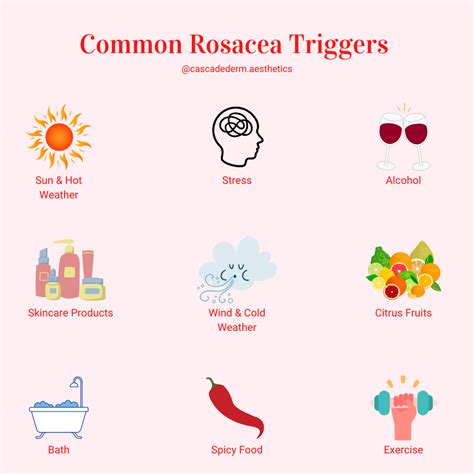
Rosacea is a chronic skin condition characterized by facial redness, visible blood vessels, and sometimes acne-like bumps. While the exact cause is unknown, it's believed that factors such as genetics, environmental triggers, and an overactive immune system may play a role. Many of the symptom catalysts are difficult to avoid, and it can feel impossible to navigate the landmines of Rosacea triggers. It's important to learn what triggers your symptoms so you can be proactive in preventing an outbreak.
How Vitamin C Benefits Rosacea-Prone Skin
Vitamin C, particularly its anti-inflammatory bioflavonoids, can help support weakened blood vessels. Researchers hypothesize that the redness associated with Rosacea may stem from blood vessels that dilate too easily. Therefore, strengthening these blood vessels with Vitamin C can help counteract inflammation.
Unlike many other Rosacea treatments that may be specific to certain skin types, Vitamin C is effective on all skin types and can be applied anywhere on the body. Many dermatologists recommend Vitamin C for its multifaceted benefits. It acts as a potent antioxidant, protecting the skin from damage caused by free radicals, which are highly reactive molecules that can degrade collagen and elastin, crucial proteins for skin firmness and elasticity. Furthermore, Vitamin C aids in preventing photoaging, which is premature skin aging caused by sun exposure.
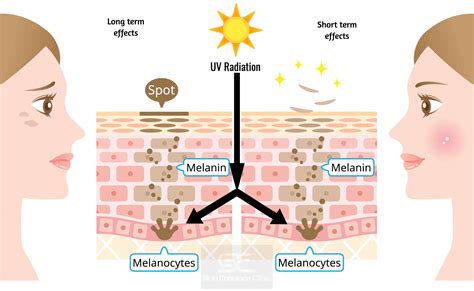
Beyond its antioxidant properties, Vitamin C is valuable for evening out hyperpigmentation and brightening the skin. It plays a critical role in reducing pigmentation by inhibiting tyrosinase, an enzyme essential for melanin production. By blocking tyrosinase activity, Vitamin C helps lighten existing dark spots and prevents new ones from forming. Dermatologists favor Vitamin C due to the extensive research supporting its skin benefits. Studies have shown that topical Vitamin C application can lead to smoother, less wrinkled, and less pigmented skin, particularly in cases of photodamage and melasma. As long as your skin is not sensitive to it, Vitamin C is beneficial for almost everyone, offering crucial antioxidant protection.
The Challenge with Traditional Vitamin C (L-Ascorbic Acid)
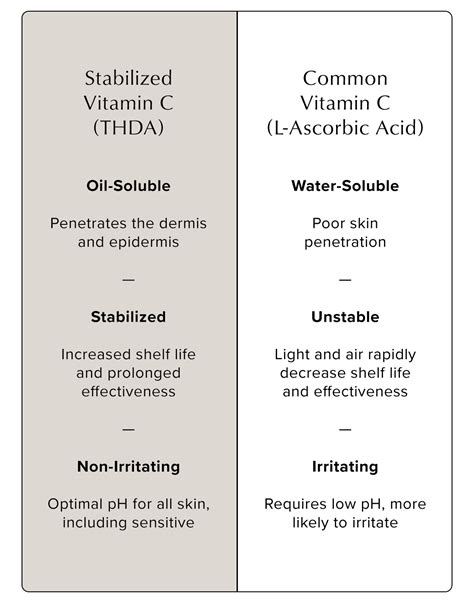
The traditional form of Vitamin C used in skincare is L-ascorbic acid (LAA). While it is the most active form, LAA presents several challenges, especially for sensitive skin and those with Rosacea. LAA is not easily absorbed by the skin and requires formulation at a pH lower than 3.5 to be effective. This highly acidic pH can be irritating, as the skin's natural pH is between 4.7 and 5.75.
Apart from causing potential irritation, LAA is also notoriously unstable. It degrades rapidly when exposed to light and air, making it difficult to maintain its efficacy in skincare products over extended periods. Signs that an LAA product has degraded include a dark brown hue or a "hotdog water" smell. Some brands have attempted to address this by offering powdered LAA that needs to be mixed with a liquid base just before use to ensure freshness.
It's estimated that out of numerous LAA serums available, only a few truly deliver on their promised benefits, making it a problematic ingredient for both formulators and consumers.
Exploring Gentler Alternatives: Tetrahexyldecyl Ascorbate (THDA)
To overcome the limitations of LAA, several other derivatives of Vitamin C have been developed. These are considered "inactive" forms because they must be converted to LAA within the skin to become active. Among these, tetrahexyldecyl ascorbate (THDA), also known as THDC, has emerged as a particularly promising ingredient, especially for sensitive and Rosacea-prone skin.
THDA offers several advantages over LAA:
- Improved Stability: THDA is chemically modified with a lipid-based tail, which significantly enhances its stability and makes it oil-soluble. This modification protects it from oxidation.
- Enhanced Penetration: THDA penetrates the skin more effectively than LAA, reaching deeper layers.
- Gentle Formulation: Unlike LAA, THDA is pH-independent. It does not require a highly acidic environment to be effective, making it less likely to cause irritation, redness, or stinging. It can be formulated in products with a skin-neutral or slightly acidic pH, which is less disruptive to the skin barrier.
Cosmetic chemists and dermatologists often prefer THDA because it offers a more stable and tolerable way to deliver Vitamin C's benefits. Dr. Loretta Ciraldo, a dermatologist, specifically chose THDA for her brand's serum, aiming for an effective yet gentle agent for visible skin improvement. She notes that while her LAA-containing product is effective for hyperpigmentation, it can cause peeling and redness similar to retinol, making it unsuitable for sensitive, Rosacea-prone skin.
Dermatologists like Dr. Rosemarie Ingleton have focused on creating safe Vitamin C products for melanated and sensitive skin types. THDA allows individuals with these skin concerns to use effective levels of Vitamin C to address pigmentary issues without the increased risk of irritation that can lead to hyperpigmentation.
What Else You Should Know About THDA
While THDA is a superior option for many, it's important to understand its nuances. THDA needs to be converted into LAA by the skin to become fully active, although the exact conversion rate is not yet fully understood. To maximize its benefits, follow these guidelines:
- Check the Ingredient List: Look for "tetrahexyldecyl ascorbate" on the ingredient list.
- Prioritize Packaging: Opt for products in airless pumps or opaque, airtight containers. Avoid droppers or jars, as these expose the product to air and light, contributing to degradation.
- Look for Additional Antioxidants: THDA benefits from being formulated with other antioxidants such as vitamin E, ferulic acid, and acetyl zingerone.
- Choose Leave-On Products: THDA requires time to penetrate the skin. It is most effective in leave-on formulations like serums and moisturizers, not in products that are rinsed off.
Recommended Vitamin C Serums for Rosacea
When selecting a Vitamin C serum for Rosacea, look for formulations specifically designed for sensitive skin, ideally containing THDA or other gentle derivatives. Avoid alcohol-based cleansers, astringents, and abrasives.
Here are some highly-regarded Vitamin C serums and related products that may be suitable:
- TruSkin Vitamin C Facial Serum: An anti-aging blend with soothing squalane.
- KLEEM ORGANICS Vitamin C Serum for Face: Contains hyaluronic acid and vitamin E, designed to reduce wrinkles and dark spots.
- Bubble Skincare Day Dream Serum: Features Vitamin C and Niacinamide for even tone and dark spots.
- Dr.Althea Gentle Vitamin C Serum: A gentle option for brightening the skin.
- ITK Skincare Brightening Vitamin C Serum: With Niacinamide, suitable for all skin types.
- HYLLai Vitamin C Serum: An anti-aging and brightening treatment.
- Vanicream Vitamin C Face Serum: An affordable and gentle option.
- Dr. Loretta Anti-Aging Repair Serum with Vitamin C: A highly-rated option for sensitive skin.
- Renée Rouleau Vitamin C&E Treatment: Known for its effectiveness on dullness.
- Medik8 C-Tetra Luxe: A hydrating Vitamin C serum.
- Allies of Skin 35% Vitamin C+ Perfecting Serum: Formulated for mature skin.
- Revision Skincare C+ Correcting Complex 30%: Often recommended for acne scars.
- StriVectin Super-C SPF 30 Vitamin C Moisturizer: A daytime option with SPF protection.
Other Considerations for Rosacea Management
While Vitamin C serums can be highly beneficial, a comprehensive approach to managing Rosacea is crucial. This includes:
Gentle Cleansing and Skincare Practices
Dr. Julie Russak, who has personal experience with Rosacea, emphasizes a minimalist approach. She recommends a gentle, sulfate-free cleanser to avoid stripping the skin of its natural oils, which can lead to dryness and irritation. She also advises against harsh chemicals and excessive product application, suggesting that using too many products can exacerbate irritation.
Targeted Treatments
For specific Rosacea symptoms, dermatologists may prescribe treatments such as:
- Azelaic Acid: Prescription topical foams like Finacea (15% azelaic acid) are often recommended. Azelaic acid is known for its anti-inflammatory properties and is generally gentler than other exfoliants, making it ideal for sensitive skin and Rosacea.
- Brimonidine Gel and Oxymetazoline Hydrochloride Cream: These can help reduce facial redness by constricting blood vessels.
- Topical Prescriptions and Antibiotics: For papulopustular Rosacea (acne-like bumps).
- Laser Treatments: Can be effective for reducing redness and visible blood vessels.
- Warm Compresses and Ocular Treatments: For ocular Rosacea affecting the eyes.
It's important to note that exfoliating with a gentle salicylic acid product can help with the acne associated with Rosacea, even though it might seem counterintuitive for sensitive skin. However, always proceed with caution and consult with a dermatologist.
Lifestyle Adjustments
Identifying and avoiding personal triggers is paramount. Common triggers include:
- Direct sun exposure
- Hot water and prolonged hot showers
- Spicy foods
- Alcohol
- Stress
- Certain skincare ingredients (fragrances, alcohol)
Maintaining a healthy diet with plenty of water and avoiding foods with excessive chemical preservatives is also beneficial.
Sun Protection
Daily use of a high SPF, preferably mineral-based sunscreen, is essential. Mineral sunscreens containing zinc oxide and titanium dioxide are generally less irritating and create a physical barrier to block UV rays, which can exacerbate Rosacea symptoms.
Retinol Use
For those with sensitive skin or Rosacea, retinol can be incorporated cautiously. Mixing prescription retinol into a moisturizer can dilute it, reducing the risk of irritation while still allowing for its benefits in improving skin texture and fine lines. It is often recommended to use retinol only a few times a week.