The tanning industry plays a crucial role in promoting sustainable development, with UNIDO offering significant technical assistance. In the late 1990s, studies on cleaner tanning methods, such as "The Scope for Decreasing Pollution Load in Leather Processing," were developed to support various training activities, including shop-floor demonstrations, pilot plants, and workshops. Over time, practical experience has grown, new tanning technologies have emerged and been implemented, and new challenges have arisen. Recognizing that effective training is essential for modern, sustainable leather processing, a comprehensive paper consolidating and updating earlier works on cleaner leather technologies is invaluable for training and capacity-building initiatives.
Beyond traditional cleaner technologies like pollution source identification, water management, hair-save liming, low or ammonia-free deliming, chrome management, low-organic solvents in finishing, and solid waste management, this study delves into all aspects relevant to successful tanning operations. It covers tannery environmental management systems (EMS/CSR), Restricted Substances Lists (RSL), energy considerations, mechanical operations, Occupational Safety and Health (OSH) in the workplace, Carbon Footprint (CF), and Life Cycle Analysis (LCA) - topics frequently discussed in international forums and media.
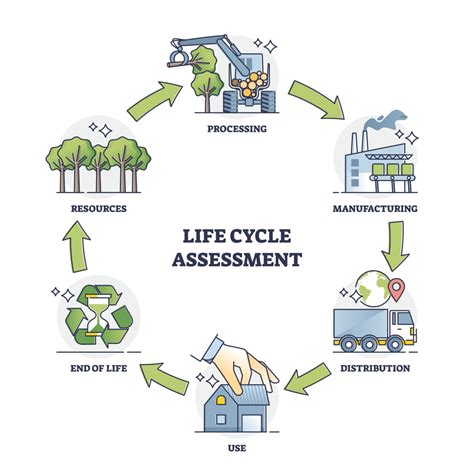
The study incorporates numerous tables, charts, and equipment photos to illustrate the text. It is intended to serve as a foundation for developing globally accessible e-learning courses on sustainable leather manufacture. Additionally, resources like "Tannery of the Future" provide tanners with an initial assessment of areas for improvement in sustainability, such as housekeeping, waste management, and working conditions.
The Unique Qualities of Leather
No other fabric can match the unique textures, rich colors, strength, or scent of genuine leather. This beautiful, traditional, ancient, natural, lasting, and renewable material stands in a category of its own, offering diverse sizes, weights, types, finishes, and price points.
Leather is a natural by-product. Modern leather manufacturing recycles over 270 million cow hides annually. These hides are a by-product of the food industry; without the leather industry's ability to transform them, over 7 million tons would end up in landfills, resulting in significant environmental and biological impact. Leather contributes sustainably to a society that needs to consume less, reuse more, and recycle everything. At the end of its life, leather will biodegrade, typically within 10 to 50 years, depending on the type.
Understanding Leather Hides
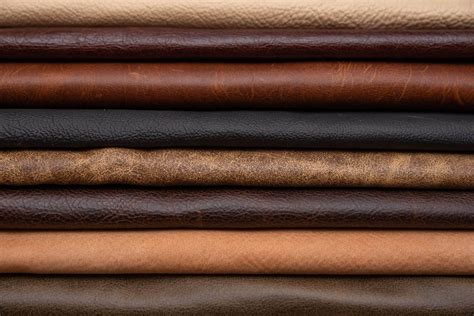
Hides vary in shape and size depending on the animal and its country of origin. The leather hide itself is the processed skin of an animal, treated to yield a tough, durable, and strong material. Leather hides are available in a variety of colors, thicknesses, textures, and softnesses.
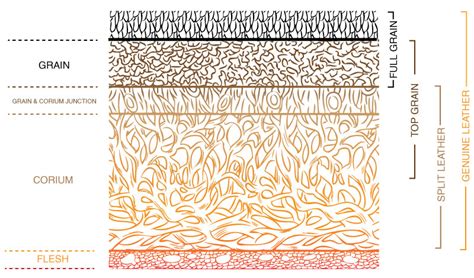
The skin of an animal, like human skin, protects its internal organs from exposure, along with hair and fur. Leather hides consist of four main parts: the Grain, the Grain-Corium Junction, the Corium, and the Flesh Side. The hide of an animal is the harvested skin that retains many of the characteristics and properties that benefited the animal during its life.
Types of Leather Finishes and Grains
Aniline vs. Semi-Aniline Leather
Aniline leather is colored by immersing hides in a dye bath with transparent aniline dyes that fully penetrate the hide. Similar to how skin reacts to the sun, animal skin absorbs dye color differently. These leathers are the most natural, often utilizing the most pristine hides. All surface imperfections and "beauty marks" are visible in aniline-dyed leathers and are meant to be incorporated into the final product's design.
Semi-Aniline leathers are aniline-dyed with an additional layer of pigment or surface coating to enhance durability and color consistency.
Full Grain vs. Top Grain vs. Split Leather
Full Grain leather refers to leather that has not been altered by sanding or buffing. It retains the grain layer, original texture, and markings that naturally occur during the animal's lifetime. Full Grain is often confused with Top Grain, but "Top Grain" leather simply comes from the uppermost portion of a hide, referring to the layer from which the leather originates.
Split leather is produced when a hide is split into layers, yielding two distinct products: Top Grain (the top portion) and Split leather (the bottom portion). Both Full Grain and Corrected Grain leathers come from the Top Grain portion of a hide.
Corrected Grain Leather
Corrected Grain leather is also a type of Top Grain leather. It undergoes a light buffing process to improve dye absorption and minimize the appearance of blemishes and natural leather markings. Corrected Grain leather is often preferred when a uniform color is desired.
Pigmented Leather
Pigmented leather has an oil-based coloration (pigment) applied superficially to the surface, providing color consistency and maximum protection. Pigmented leathers are top-grain leathers that have been aniline-dyed in the drum and then extensively finished to conceal natural markings and protect against extreme usage.
Tanning Processes: Vegetable vs. Chrome
The transformation of animal skins into leather involves complex processing phases, with the Italian tanning industry playing a leading global role in producing high-quality leather.
Vegetable Tanning
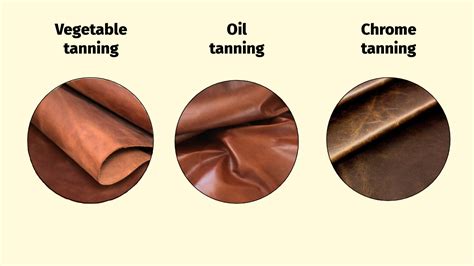
Vegetable Tanning is the oldest method of tanning, utilizing vegetable tannins and extracts from trees and plants. Today, vegetable-tanned leather is still used by boot and saddle makers. This process is slower than chrome tanning and involves tannic acid extracted from tree barks. It is used for products like shoe soles, luggage, saddlery, belt leathers, and some upholstery.
Chrome Tanning
Chrome Tanning is the most prevalent method worldwide, accounting for approximately 90% of global leather production. It is a proven process that yields a stable end-product. Most upholstery, shoe uppers, garments, and bag leathers are chrome-tanned. The process begins in rotating drums with a bath of trivalent chrome chemicals, typically taking eight hours to penetrate the hide. The chrome is then fixed by adding an alkaline chemical.
Leather Care and Properties
Leather is a substance that retains its properties for many years but requires careful maintenance. It should be kept away from strong heat sources, direct sunlight, and protected from water. Natural, subtle variations in color and grain, much like stained wood, are expected. Natural markings, scars, scratches, wrinkles, and stretch marks are unique characteristics that will be incorporated into upholstered furniture.
Common characteristics found in certain raw materials include neck holes, often due to the structure of the animal (e.g., a hump on Brazilian/SA cattle). These may be sewn shut. Small ticks or holes can also be found, particularly in the neck portion, depending on the climate and origin of the material.
Specific Leather Types and Their Uses
- Bridle: Firm, rich-colored leather with sufficient oils to withstand weather.
- Kipskin: Produced from smaller calf hides, generally very clean.
- Latigo: A combination-tanned leather that is rigid yet pliable, suitable for products requiring strength and flexibility.
- Vegetable Tan Strap, Tooling & Molding: Leather ideal for tooling, embossing, molding, dyeing, and oiling. It absorbs dyes and oils uniformly and dries to a firm, long-lasting shape.
- Suede: Leather finished by buffing the flesh side of the hide to create a nap.
- Upholstery: Whole hides tanned for applications requiring large pieces of leather, typically soft, supple, strong, and durable.
Leather Hides: Sizes, Shapes, and Sourcing
Leather hides come in different shapes and sizes. The most common shape is a whole hide, with a half hide resulting from cutting a cowhide along the spine. Leather remnants are smaller pieces left over from cutting hides for upholstery.
The size of cowhides can vary significantly based on the animal's age and breed. While providing exact length and width for every hide is impractical, guides are available for various sizes.
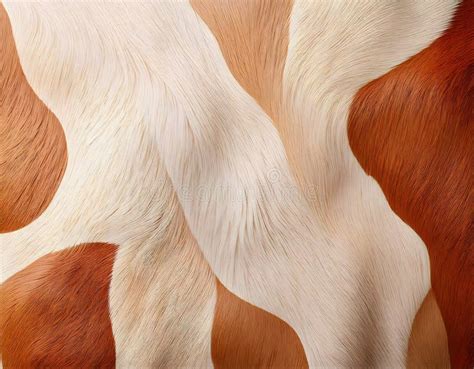
Raw material quality is a prime concern for tanners globally. The tanning industry and its downstream sectors (footwear, furniture, automotive, clothing, leather goods, saddlery) are entirely dependent on supplies of cattle hides and sheep skins, along with a smaller quantity of goat and other skins. While supplies and quality of hides and skins are vital, they are by-products for the meat, dairy, or wool industries.
To remain competitive, many leather companies specialize in producing particular types of leather, such as high-quality, high-performance leathers. The quality of leather a tanner can produce is primarily determined by the quality of the raw hides purchased. However, the quality of hides can only be fully assessed after hair removal and the completion of the tanning process. The value of a hide depends on its end use, and its quality is largely related to damage to the grain surface. This damage can result from skin parasites, scratches, husbandry practices, improper handling during slaughter, or inadequate preservation techniques.
Classifying Leather Quality and Origin
Leather terms are often classified at the tannery level and are not universal grades used by manufacturers. For furniture production, individual companies have their own grading structures.
Hides used for furnishings come from various countries and regions, which can be broadly divided into three groups:
- A: Hides from Southern Germany, Swiss pastures, Scandinavian bull hides from Norway and Finland, and Northern Italy.
- B: Hides from Northern Germany, England, the Netherlands, and North America (USA).
- C: Australian, African, South American, and Asian hides.
While we often perceive leather as a uniform commodity, this is not true. Leather for furniture primarily comes from cattle, and no two hides are identical. Age, heredity, and environment all influence the character of leather.
The Role of Leather in Sustainability
Cattle leather is a by-product of the meat industry, meaning no cow loses its life solely for its skin. The leather process converts these hides into a viable and useful material. Due to its by-product nature, leather places less demand on the earth than synthetic leathers, which are produced from plastics and petroleum-based chemicals.
Leather is a renewable resource, allowing the creation of valuable products from what would otherwise be waste. At the end of its life, leather biodegrades, contributing to a circular economy.
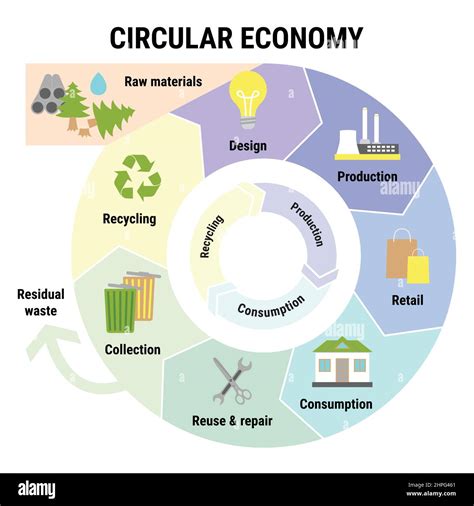
The Leather Manufacturing Process
The journey from raw hide to finished leather involves several key stages:
- Fleshing: After the hide is removed, any remaining meat tissue or fat is scraped off. Freshly fleshed hides are shipped to a tannery for immediate processing.
- Unhairing and Neutralization: Hair is removed using chemical digestion (lime and sodium sulphide). The hides are then neutralized with acids and treated with enzymes to remove deposits and increase softness.
- Pickling: This preparatory stage readies the hide for tanning.
- Tanning: This is the final process that turns hides and skins into leather. The most common methods are Chrome and Vegetable Tanning.
- Splitting and Shaving: Hides are split into sheets of required thickness and further processed through a shaving machine for added quality and uniform thickness.
- Dyeing: Chrome-tanned hides are placed in drums with dyes and synthetic tanning materials to achieve the desired color.
- Fatliquoring: Specially prepared oils are used to lubricate the fibers, making the leather soft.
- Setting and Drying: Excess water is removed, hides are spread out, and then dried using various methods, such as toggle drying for upholstery leather.
- Staking: Mechanical softening of the leather after drying.
- Finishing: A series of coatings are applied to the leather surface to protect it and create desired aesthetic effects. This can involve buffing for suede or nubuck, or applying oils and waxes for a "pull-up" effect. Finishing modifies the surface color, gloss, and final appearance.
Identifying Leather Types
Distinguishing between different leather types can be achieved through simple tests:
- Aniline Identification: To check for aniline, lightly scratch the surface. If it leaves a lighter color scratch mark, it is aniline. Wetting your finger and rubbing it lightly on the leather to see if it darkens is another indicator.
- "Pull-Ups": These leathers have a deep richness due to fat liquors applied during tanning. When stretched, they lighten in that area but return to their original color with heat or friction. They tend to scratch easily, contributing to an "aged" look.
- Nubuck vs. Aniline: Nubuck has a velvet-like texture from buffing the grain side. Aniline, when scratched, will show a lighter color mark.
Bonded leather, or reconstituted leather, is typically made from waste scraps from leather tanneries, bonded together with binders. It mimics the look and feel of genuine leather at a lower cost.
Understanding the Different Types of Leather
Common Animal Hides Used in Leather Production
While cow hides are the most popular, other animal hides are also used:
- Bovine Hides (Cattle): By far the most popular, dominating global hide production. Uncastrated male cattle (bulls) produce thicker, tougher leather. Steers (castrated males), cows, and heifers produce softer, more pliable hides suitable for most leather projects.
- Goat Hides ("Skins"): Very soft, strong, and thin, making them excellent for lining.
- Sheep Hides: Known for their softness and warmth, ideal for year-round use in seat covers, shoes, gloves, and moccasins due to wool's moisture-wicking properties.
- Horse Hides: Difficult to source and can be expensive, but highly sought after for their toughness, density, and smooth finish. "Cordovan" leather primarily comes from the butt section of the horse.
- Bison Hides: Valued for their thickness, durability, and soft feel.
- Deer Hides: Soft, supple, thin, and strong, popular for moccasins, bags, car upholstery, and gloves.
- Hair-on-Hides: Typically from cattle, featuring a split or flesh side and a side with hair intact. Commonly used for decorative pieces like chaps or inlays.
Leather Furniture and Upholstery
Leather furniture is popular for its durability and longevity. Cow leather is the most commonly used hide for upholstery. Hides selected for furniture are sliced to a uniform thickness, with only the top grain used. The lower portions or splits are weaker and prone to stretching, which can lead to cracking of topcoat finishes. The familiar "chamois" used in auto care is an example of split leather.
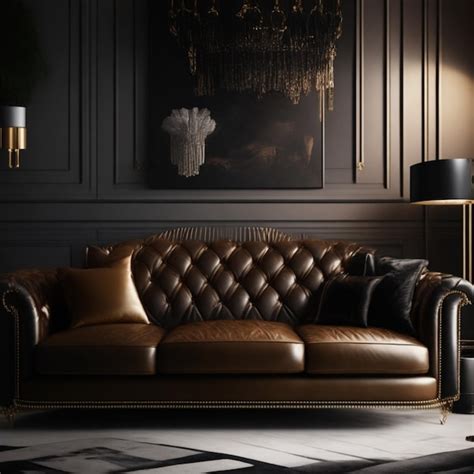
The term "top grain" can be misleading. It often implies the best quality, but if the real grain is sanded away and replaced by an imitation, it may not be genuine. True "full grain leather" retains the entire original grain, displaying natural markings and characteristics, similar to how wood grain reveals the nature of the tree.
The best upholstery leathers are clear, clean, and supple, dyed through with transparent aniline dyes, retaining the full natural grain. Cheaper leathers may have the natural grain sanded away and an imitation grain embossed, often with heavy pigmentation, giving them a stiff, plastic-like feel.
Storing and Maintaining Leather
Proper storage and maintenance are crucial for preserving leather:
- Avoid Moisture: Moisture can quickly ruin leather.
- Low-Light Environment: Store leather in areas with low light and out of direct sunlight.
- Relative Humidity: Maintain a relative humidity between 50-55 percent.
- Do Not Fold: Always store leather flat; never fold it.
- Separate by Color/Type: Just like laundry, separate leather by color or type to prevent color transfer.
By following these rules, leather can maintain its quality for a long time. Leather is a wonderful medium, and like cars, different types have unique qualities. While cowhides are most popular, hides from goats, pigs, sheep, horses, alligators, and others can be used to create exceptional products.