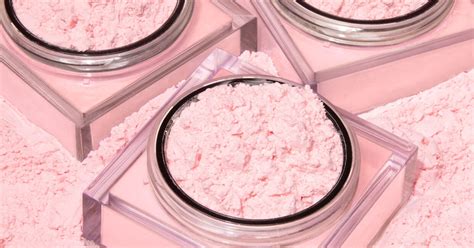
Pink setting powder has recently gained significant traction on social media, prompting questions about its specific functions and how it differs from other setting powders, particularly peach variants. While pink lipstick, eyeshadow, and blush are staples in many makeup routines, pink setting powder offers a unique way to enhance the complexion.
What Pink Setting Powder Does for Your Makeup
Pink setting powder is designed to impart a soft, rosy hue to the skin, reminiscent of the natural flush of an English rose. It is particularly effective at addressing common concerns such as dark circles and dull-looking skin tones. The rosy shade has the ability to neutralize the appearance of blue tones that can contribute to a shadowed look, especially under the eyes.
While pink makeup powder can be flattering on all skin types, it is especially complementary to cool-toned complexions. These skin types often possess a natural pink undertone, which is beautifully enhanced by the addition of pink setting powder. This effect is akin to the flattering glow achieved with pink lighting, a technique historically used by Old Hollywood actresses to create a luminous, beautifying filter on camera.
For those who enjoy a monochromatic makeup look, pink setting powder serves as a perfect complement to pink shades used on the lips, cheeks, and eyes, unifying the overall aesthetic. Some beauty collections even feature expertly color-matched pink setting powders and blushes designed to create a cohesive "pink love effect" in makeup looks.
Pink vs. Peach Setting Powder
Both pink and peach setting powders offer color-correcting properties and subtly tint the complexion, but their effects differ. Peach setting powder is characterized by its warmer, more orange-leaning shade. This makes it ideal for adding warmth to the complexion and for color-correcting dark circles by counteracting blue tones with its warm, orangey hues. Peachy pink shades are generally considered universally flattering and are excellent for warming up the overall look of the face, particularly for those with naturally warm-toned skin.
In contrast, pink setting powder is best suited for those with neutral to cool or fair to light skin tones. It excels at brightening the skin, bestowing a youthful and radiant appearance, and neutralizing blue or purple undertones, which is particularly beneficial for concealing dark circles.
The primary distinction between pink and peach setting powder lies in their hue and their optimal application based on skin tone. Pink setting powder is best for cool tones and fair to light skin, while peach setting powder is recommended for warm and medium skin tones. Both powders contribute to setting makeup and achieving a flawless finish.
The Functionality of Pink Setting Powder
Pink setting powder shares many qualities with traditional translucent setting powders. Both formulations are effective at smoothing and blurring the skin's appearance, mattifying the complexion to reduce unwanted shine, and setting liquid and cream makeup products in place for extended wear. The key difference lies in their pigment: translucent powders are colorless and apply invisibly, whereas pink setting powders are tinted.
The pink tint is specifically beneficial for brightening the skin, especially in the under-eye area, by counteracting darker tones. It is often recommended to apply pink powder strategically to areas that require brightening and oil control, such as under the eyes and the T-zone, rather than all over the face. Application typically involves using a beauty blender or powder puff to press the product into the skin, allowing it to set for a few minutes, and then gently dusting off any excess with a fluffy powder brush.
The ideal time to apply pink powder is immediately after foundation, concealer, and other liquid makeup products have been applied. While the decision to use pink setting powder is a matter of personal preference, it offers an effective alternative to traditional translucent powders for shine prevention and under-eye brightening.
Historical Context and Evolution of Face Powders
Face powders have a long history, dating back to ancient Rome and China, where they were used to lighten and smooth the complexion, often serving as a status symbol. These early formulations, however, sometimes contained hazardous ingredients like lead. The early 20th century saw a rebranding of powder products, and recent years have introduced new techniques like "baking" and precise application methods, alongside the popularity of translucent formulas. The current trend towards a "glowy, second-skin" makeup aesthetic has led many to embrace their natural radiance, with pink setting powders fitting well into this movement.
Color Theory and Pink Setting Powder
From a color theory perspective, pink powder can be beneficial for individuals dealing with redness and acne scars. While green is typically used to counteract red tones, acne can sometimes leave behind gray or green-toned marks, especially on lighter skin. Pink powder can help neutralize these tones. Furthermore, it can be advantageous for those with cooler skin tones experiencing overall redness. After applying concealer, which is often more neutral or yellow-toned, a pink powder can help bridge the undertone difference between the under-eye area and the rest of the face, particularly if the skin has a reddish tinge.
It is important to note that the effectiveness of pink powder as a brightening hack varies across skin tones. It is most beneficial for light to medium complexions. With careful application, even darker skin tones can achieve an ultra-brightened look. The pink powder hack also tends to look most natural on individuals with cooler undertones. If peachy or orange blushes appear more harmonious on your skin than true pinks, a cool-toned pink powder is likely to yield similar results.
Application Tips for Pink Setting Powder
To apply pink powder effectively, slightly adjust your under-eye setting routine. Begin with skincare and sunscreen, followed by primer if desired for crease-free wear. Apply foundation, then use a brightening concealer that is one to two shades lighter than your skin tone under the eyes. After blending the concealer, apply the pink setting powder. Gently press the powder into the skin using a powder puff or a soft brush. Allow it to sit for a few moments before gently brushing away any excess. This process helps to set the under-eye area, making it appear brighter and blend seamlessly with the rest of your makeup.
For an added lift, try angling your application upward at the end. To achieve the ultimate finish and long-lasting wear, consider using a face mist both before and after powder application to seal and set everything in place.
DIY Pink Setting Powder
For those interested in a natural alternative, a pink setting powder can be created at home using arrowroot powder and beetroot powder. The recipe typically involves:
- 2 tablespoons of arrowroot powder
- 1 tablespoon of beetroot powder
- A small, lidded container or jar
Instructions:
- In a small bowl, thoroughly combine the arrowroot powder and beetroot powder.
- Transfer the mixture to the container or jar.
- To use, dip a powder brush into the mixture, tap off any excess, and apply to the face as you would any other setting powder, focusing on oily areas like the T-zone.
Beetroot powder is rich in antioxidants, vitamins, and minerals that offer several skin benefits. Its antioxidants combat free radicals, potentially reducing the appearance of fine lines and wrinkles. The natural pigments in beetroot powder can even out skin tone and provide a brightening effect. It also possesses moisturizing properties, nourishing dry and irritated skin, and contains betaine, known for its anti-inflammatory benefits, making it suitable for sensitive or acne-prone skin. Additionally, beetroot powder's detoxifying properties can help reduce blemishes and promote a clearer complexion.
Using arrowroot and beetroot powder as a setting powder offers the advantage of being gentle on the skin and less likely to cause irritation. This DIY approach provides a natural, easy-to-use cosmetic product that can add a natural-looking flush, set makeup, and reduce shine.
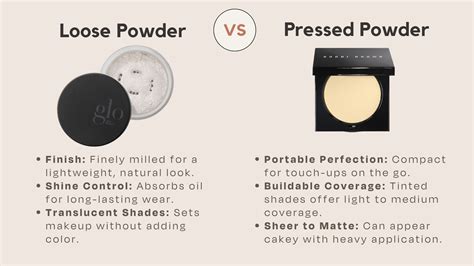
Types of Setting Powders: Pressed vs. Loose
Setting powders are available in both pressed and loose formulas. Pressed setting powder, often found in a compact pan, can be applied with a puff, sponge, or brush. Loose setting powder, typically a finely milled powder in a jar, is best applied with a powder puff for precision or a soft fluffy brush for all-over coverage. The choice between pressed and loose formulas often comes down to personal preference and the desired makeup finish.
Pink powders have long been recognized in the beauty industry for their ability to impart a radiant, healthy glow. Unlike traditional translucent powders that can sometimes make the skin appear flat, pink powders add warmth and luminosity, instantly brightening the complexion and enhancing natural beauty. Some brands offer specific tinted powders, such as Laura Mercier's Translucent Loose Setting Powder Tone-Up, which features a subtle pink tint to add warmth and radiance without appearing cakey.