The development of lumps and bumps in the lips following a lip filler enhancement or augmentation procedure is a frequently reported side effect. Understanding the common causes and how to resolve them is crucial for both practitioners and patients.
Common Causes of Post-Lip Filler Lumps
Several factors can contribute to the formation of lumps after lip filler injections. These can range from the injection process itself to the product used and individual patient reactions.
1. Trauma at the Injection Site
The trauma of the injection itself is a primary cause of lumps or bumps. This can result in a small bruise or hematoma that manifests as a temporary lump. These typically resolve naturally within a week or so as the skin heals.
2. Filler Product and Injection Technique
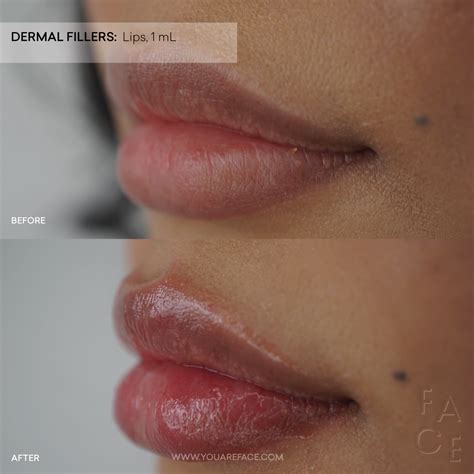
Dermal filler product lumps are often caused by an inadequate injection technique that leaves a bolus of hyaluronic acid gel. This can be a simple lump that may be visible or palpable by the patient. Such lumps can often be resolved by massaging until they soften and integrate into the tissue.
Product thickness also plays a role. Newer filler products with higher viscosity (measured by G prime ratings) can help enhance lip shape but may increase the occurrence of lumpy lips. Products like Restylane and Juvederm, with high G prime ratings, are more prone to clumping.
Poor injection technique, including uneven filler placement, injecting too much volume in a single area, incorrect injection depth, or injecting too close to the surface of the skin, can lead to filler clustering and lump formation. Injecting very slowly with small boluses at the appropriate depth is key to a smooth outcome.
3. Inflammation and Reactions
Inflammation, whether due to an infection or a reaction to the dermal filler product, can cause lumps that require a medical response. These are inflammatory lesions. In rare cases, patients may have an allergic reaction or granuloma formation from the filler material itself, resulting in firm, tender lumps that do not improve on their own.
Granulomas are a specific type of inflammatory reaction, typically appearing as a painful, abnormal lump that can develop after receiving injectable dermal fillers. They often feel firm or cystic, with associated swelling, redness, or hardness.
Biofilm-related complications, resulting from low-grade bacterial contamination, can also mimic simple lumps and prolong inflammatory reactions.
4. Swelling and Settling
Normal post-treatment swelling is expected during the first week or two. Minor asymmetries and soft lumps are common as the filler settles and the tissue reacts. These typically resolve on their own.
Facial movements and muscle dynamics can also shift the filler as it settles, potentially causing it to cluster unnaturally in certain spots.
5. Patient-Specific Variables
Factors such as small lips, being a first-time filler user, and the amount of product used (more than 1 mL) can increase the likelihood of experiencing lumps. Additionally, a patient's skin quality, hydration, metabolic rate, previous filler history, and overall tissue response influence how the filler behaves.
Clinical Evaluation and Diagnosis
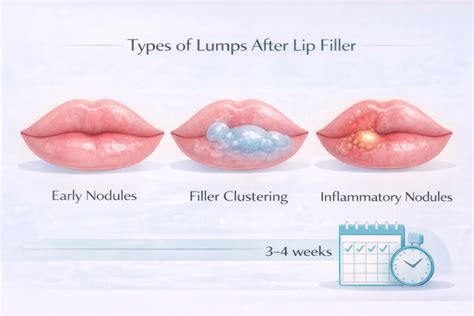
When a patient presents with a lip filler lump that persists for more than two to four weeks, a structured clinical evaluation is essential. Palpation can help differentiate between soft, fluid-like accumulations and firmer, more fibrotic structures. A mobile and non-tender lump is usually benign, whereas a fixed or painful lump warrants further assessment.
Differentiating Lumps from Nodules
It is important to distinguish between simple lumps and lip filler nodules. Lumps are usually soft, mobile, and non-inflammatory, often related to product placement or integration. Nodules, on the other hand, are firmer, more fixed, and may indicate immune or infectious complications. Persistent irregularities can sometimes be misidentified as nodules.
When to Suspect Complications
Signs such as erythema (redness), tenderness, or sudden changes in size raise red flags for possible complications like granulomas, biofilms, or delayed hypersensitivity reactions. These conditions may present weeks or months after treatment and require prompt medical evaluation.
Management and Treatment Approaches
Treatment approaches vary depending on the nature and cause of the lump. The primary goal is to restore the lips to a smooth and natural state with minimal intervention.
1. Time and Observation
For lumps related to normal post-procedural swelling or minor bruising, simply giving it more time to resolve is often the best approach. It's important to remember that this is not typically an emergency, and natural resolution can occur.
2. Massage Techniques
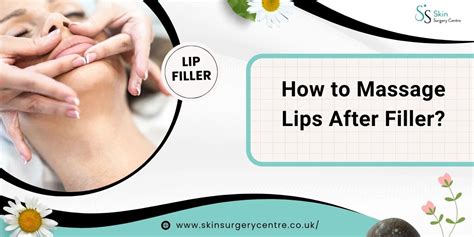
Gentle massage can be effective for soft, mobile lumps or product placement problems where the filler has clumped into a large bolus. This involves smoothing and integrating the filler into the lip tissue rather than simply squashing it. However, excessive force should be avoided, as it can negatively impact the final results. If lumps persist or are hard, professional assessment is recommended before attempting massage.
3. Hyaluronidase Injections
For lumps caused by poorly integrated or misplaced hyaluronic acid filler, enzymatic dissolution using hyaluronidase is often necessary. This enzyme breaks down and dissolves the filler material. This is typically considered when lumps persist after two weeks or if massage is ineffective.
Dr. Tim Pearce advises against immediately choosing to dissolve lip filler just a few days after a procedure, even if the patient is insistent. Time for natural resolution should be allowed first, as lumps can be related to hematomas and swelling that will resolve naturally.
4. Medical Interventions for Inflammatory Lumps
If lumps are inflammatory, such as granulomas or signs of infection, medical intervention is required. This may include:
- Corticosteroid injections directly into the granuloma to reduce inflammation.
- Antibiotics if infection is suspected.
- In severe or refractory cases, surgical removal may be considered, though this can be challenging.
For granulomas caused by hyaluronic acid fillers, hyaluronidase may also be recommended in conjunction with other treatments.
5. Professional Intervention
Aesthetic clinicians should develop a protocol for managing different types of lumps, aiming for the minimal intervention necessary. This includes scheduling follow-up appointments to address concerns early. If nodules last longer than two weeks, or if they are growing larger or more painful, medical evaluation is warranted to determine the underlying cause and appropriate correction.
Preventative Strategies
A proactive approach can significantly reduce the likelihood of developing lip filler lumps. Prevention hinges on product knowledge, refined technique, and informed patient care.
1. Refined Injection Technique
- Choose the appropriate filler with the right viscosity and cohesivity for the lip area.
- Understand anatomical variations and assess each patient’s lip structure.
- Use slow, controlled injections with small boluses at the correct depth.
- Avoid overfilling and consider staged treatments.
- Limit needle entry points to reduce infection risk.
2. Post-Procedure Care and Education
- Provide clear aftercare instructions, including guidance on when and how to massage if needed.
- Advise patients to reduce swelling by applying a cold compress.
- Instruct patients to avoid touching the lips excessively to prevent irritation and further swelling.
- Educate patients about normal post-procedure sensations and when to seek follow-up.
Scheduling lip procedures in isolation, i.e., on days when other procedures, particularly dental procedures, are not being performed, can also help minimize potential complications.
Long-Term Considerations
While many lumps are temporary, persistent lumps or nodules can occur months later. These may require intervention. Over time, repeated filler use can lead to "filler fatigue," stretching lip tissue and potentially exacerbating the need for more filler. Filler migration, a shift in filler from the injection site, is another potential long-term complication.
How To Massage After Lip Filler *for best results*
Frequently Asked Questions (FAQs)
What is the difference between lip filler lumps and lip filler nodules?
Lip filler lumps are usually soft, mobile, and non-inflammatory, often related to product placement or integration. Nodules are firmer, more fixed, and may indicate immune or infectious complications.
Can filler lumps be permanent?
Most filler lumps are temporary and resolve with time or massage. However, if the filler becomes encapsulated or is placed incorrectly, the lump may persist and may need to be dissolved.
How to get rid of lip filler nodules?
Nodules typically require professional treatment, which may include hyaluronidase, steroids, or antibiotics, depending on the underlying cause. Do not attempt to treat nodules at home.
Can filler lumps be massaged out?
Yes, many soft filler lumps can be gently massaged out, especially within the first few weeks after treatment. However, persistent or hard lumps should be assessed by a professional before attempting massage.
When to worry about lip filler lumps?
You should be concerned if the lump is painful, red, rapidly growing, or appears suddenly months after treatment. These could be signs of a complication and require prompt medical evaluation.