Exposure to artificial UV radiation from tanning beds can lead to various skin reactions, including rashes. While some seek tanning beds for cosmetic reasons or phototherapy, understanding the potential causes and symptoms of a "tanning bed rash" is crucial for safe use and prompt management.
Understanding Tanning Bed Rashes
A tanning bed rash is a common side effect characterized by a bumpy, red, and itchy eruption that can develop within hours or days of using a tanning bed. Several factors can contribute to its appearance.
Common Causes of Tanning Bed Rash
- Dry Skin: Tanning lamps can exacerbate dryness by zapping moisture from the skin's top layer, leading to itchy, scaly patches.
- UV Overexposure: Tanning beds emit high levels of ultraviolet (UV) radiation. When the skin cannot adequately absorb this radiation, it can trigger a rash.
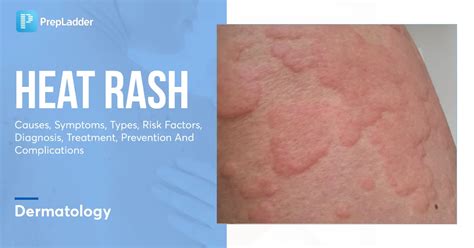
- Heat Rash (Miliaria): Also known as prickly heat, this occurs when blocked pores trap sweat beneath the skin, causing a red, itchy, and burning sensation. This is often associated with hot, humid weather but can also occur due to the heat generated by tanning beds.
- Allergic Reactions: Sensitivity to products used during tanning, such as lotions, oils, or even cleaning agents used to sanitize the beds, can cause the skin to react with a rash. Residue from previous users can also be a trigger.
Symptoms of a Tanning Bed Rash
The symptoms of a tanning bed rash can vary but typically include:
- Raised white or red bumps on the skin.
- Inflammation and itching.
- A burning sensation.
- In more severe cases, blistering may occur.
The rash usually appears on areas of the body exposed to the tanning bed radiation.
Polymorphous Light Eruption (PMLE)
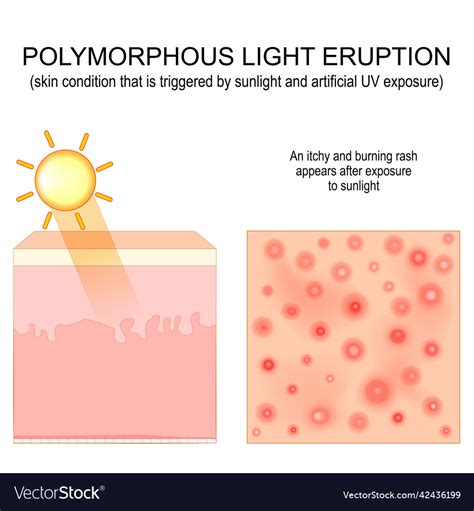
A specific type of sun-induced rash, polymorphous light eruption (PMLE), can also be triggered or exacerbated by tanning bed use, as both involve exposure to UV radiation. PMLE is a reaction to sunlight in individuals sensitive to its rays.
Characteristics of PMLE:
- Varied Appearance: The rash can manifest in multiple forms, including tiny bumps, raised areas, or blisters.
- Location: It commonly affects parts of the body exposed to more sunlight, such as the chest, neck, and arms, often appearing in areas not regularly exposed during winter.
- Timing: The rash typically appears within hours to days of sun exposure and is more common in spring and early summer when UV intensity increases.
- Duration: PMLE usually resolves within about a week if sun exposure is avoided.
- Recurrence: It often returns annually with subsequent sun exposure after the initial onset, which typically occurs in the teens or 20s.
Severe Reactions and Toxic Epidermal Necrolysis (TEN)
While less common, tanning bed exposure can lead to severe, life-threatening reactions, particularly in individuals with underlying sensitivities or medical conditions. One documented case highlights the risk of developing Toxic Epidermal Necrolysis (TEN) after using a tanning bed to self-treat a mild skin rash caused by an allergy to ibuprofen.
Case Study: Drug Reaction and Tanning Bed Exposure
A young woman with a history of reactions to NSAIDs ingested ibuprofen for menstrual discomfort. She developed a mild rash and subsequently used a tanning bed to self-treat. Within hours, her skin became severely red, painful, and blistered, spreading to mucous membranes. This progressed to TEN, a severe condition characterized by widespread blistering and epidermal detachment, which can lead to organ failure and has a high mortality rate.
Research suggests that UV radiation, particularly UV-A, can synergize with inflammatory proteins (like TNF) already present in the skin due to a reaction (like a drug hypersensitivity). This combination can lead to an exaggerated inflammatory response and cell death, potentially triggering severe reactions like TEN in susceptible individuals.
Stevens-Johnson Syndrome & Toxic Epidermal Necrolysis EXPLAINED for Students !
When to Seek Medical Attention
If a rash develops after using a tanning bed, it's important to monitor it. Consult a doctor or dermatologist if:
- The rash persists for more than five days.
- You notice discolored pus from the rash site, indicating a potential infection.
- You develop a fever in conjunction with the rash.
- The rash is widespread, painful, or accompanied by other concerning symptoms.
Home Remedies and Management
For mild tanning bed rashes, several home remedies can help alleviate discomfort:
- Avoid Further UV Exposure: Protect the affected skin from additional sun or tanning bed exposure. If going outdoors is necessary, use sunscreen with an SPF of 30 or higher and reapply frequently.
- Cool Compresses and Baths: Applying cool compresses or taking a lukewarm bath, potentially with colloidal oatmeal, can soothe itching and inflammation.
- Topical Treatments: Over-the-counter aloe vera gel or anti-itch ointments can provide relief. A 1% hydrocortisone cream may help reduce swelling and itching, while an antihistamine cream might be beneficial if an allergic reaction is suspected.
- Loose Clothing: Wear loose-fitting clothing made of natural fibers to prevent irritation.
If home remedies are ineffective, a doctor may prescribe stronger antihistamines or corticosteroid creams.
Prevention Strategies
To minimize the risk of developing a tanning bed rash:
- Choose Reputable Salons: Ensure tanning beds are used in clean, reputable establishments.
- Sanitize Surfaces: Wipe down the tanning bed surfaces thoroughly with a hypoallergenic wipe before use.
- Limit Exposure: Avoid excessive tanning sessions and allow your skin to recover between uses.
- Moisturize: Keep your skin well-hydrated before and after tanning sessions.
- Be Aware of Sensitivities: If you have a history of skin reactions, allergies, or photosensitivity, consult your doctor before using tanning beds.
- Sunscreen and Protection: When exposed to natural sunlight, use sunscreen with an SPF of at least 30, reapply it regularly, and protect your skin with clothing and hats.