Pityriasis rosea, also commonly known as a Christmas tree rash, is an acute, self-limiting skin condition characterized by a distinct rash that typically appears in stages. This oval-shaped rash can manifest on various parts of the body and is often raised and scaly.
Understanding Pityriasis Rosea
Pityriasis rosea is a common rash that can affect individuals of all ages, although it most frequently occurs in people between the ages of 10 and 35. While the exact underlying cause remains unclear, experts suspect a connection to viral infections. It is important to note that this rash is not caused by an allergy, fungus, or bacteria.
The condition is sometimes referred to by other names, including pityriasis circinata, roseola annulata, and herpes tonsurans maculosus. It is generally considered a benign and non-contagious disorder.
Stages and Symptoms of the Christmas Tree Rash
The Christmas tree rash typically appears in a specific sequence of stages:
The Herald Patch
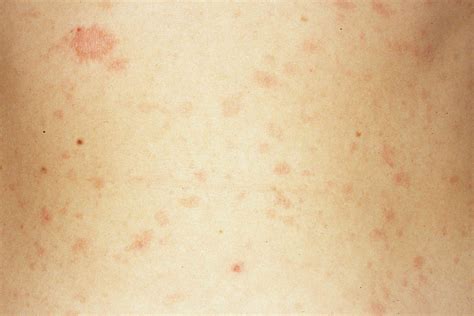
Initially, a single, larger patch may develop. This is known as the "herald patch" or "mother patch." This oval or circular patch can measure up to 4 centimeters (approximately 1.5 inches) in diameter and often appears on the back, abdomen, or chest. In most cases, this herald patch is the first visible sign of the rash and can persist for a few days to a couple of weeks.
Secondary Patches (Daughter Patches)
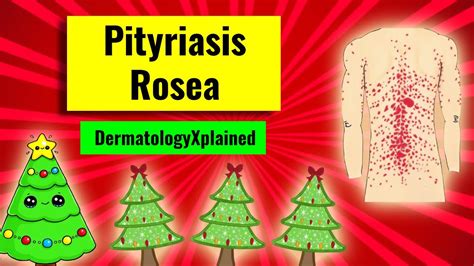
Following the herald patch, the rash evolves with the formation of smaller, round, scaly patches. These are referred to as "daughter patches." These smaller patches typically spread outwards from the herald patch and often form a pattern resembling the drooping branches of a pine tree, particularly on the back. While some individuals may only experience a herald patch, others might develop only the smaller patches, though the latter is considered rare.
Distribution of the Rash
The characteristic "Christmas tree" pattern is most commonly observed on the trunk and proximal extremities. The skin patches usually do not appear on the soles of the feet, face, palms, or scalp, although atypical presentations can occur.
Itching and Other Symptoms
A significant symptom associated with the Christmas tree rash is itching, which can range from mild to severe. Approximately 50% of individuals with this condition experience itchiness. Other systemic symptoms that may accompany the rash, or sometimes precede it, include:
- Fever
- Sore throat
- Tiredness
- Headache
- Aches
In individuals with darker skin tones, the patches may appear more raised (papular), and the centers might exhibit a necrotic appearance. For those with pale skin, the patches are typically pink or tan.
Causes of Pityriasis Rosea
The precise cause of pityriasis rosea is not definitively known. However, current research points towards a viral origin. Features such as seasonal variations and community clustering suggest an infectious basis. Specifically, reactivation of latent human herpesvirus (HHV)-6 and HHV-7 infections have been identified as potential etiological agents. While it can be mistaken for other conditions, it is not caused by allergies, fungi, or bacteria.
Some studies have also explored potential links with other infections, such as streptococcus, and have noted that PR-like eruptions can occur after vaccinations or the administration of certain medications. However, these associations require further investigation.
Diagnosis of Christmas Tree Rash
Diagnosing pityriasis rosea is typically done through a physical examination. A doctor will assess the appearance and pattern of the rash on the skin. Due to its resemblance to other skin conditions, such as eczema, psoriasis, or ringworm, a definitive diagnosis may sometimes be challenging.
To rule out other possibilities, a healthcare provider may order:
- Blood tests: To check for other infections or conditions.
- Skin scraping: A small sample of the rash is examined under a microscope to identify potential fungal infections.
- Skin biopsy: A small piece of skin is removed and sent to a laboratory for detailed analysis.
Dermatoscopy, a non-invasive technique, can also aid in differentiating pityriasis rosea from other conditions by examining specific visual cues of the rash.
Management and Treatment
In most cases, pityriasis rosea is a self-limiting condition and does not require specific medical treatment. The rash typically resolves on its own within one to two months, although it can persist for up to three months or longer in some instances. The primary goal of management is to alleviate symptoms, particularly itching.
Symptomatic Relief for Itching
For individuals experiencing itching, several over-the-counter treatments and home remedies can provide relief:
- Antihistamines: Medications like diphenhydramine (Benadryl) and cetirizine (Zyrtec) can help reduce itching.
- Hydrocortisone anti-itch cream: Topical creams can soothe irritated skin.
- Lukewarm oatmeal baths: Soaking in lukewarm water with oatmeal can be calming for the skin.
URTICARIA & HIVES - Causes and Treatment of Itchy Skin Rash
If itching becomes unbearable, a doctor may prescribe stronger anti-itch creams. Exposure to natural sunlight or light therapy (phototherapy) may also help calm skin irritation, although it's important to be aware of potential side effects like skin discoloration.
Medical Treatments
While not always necessary, some medical interventions can be considered:
- Corticosteroid creams or ointments: Applied topically, these can help manage itching.
- Oral steroids (e.g., Prednisone): May be prescribed for severe itching.
- Antiviral medications (e.g., Acyclovir): In some cases, these might help speed up the resolution of the rash, particularly if a viral cause is strongly suspected.
- Macrolides: These antibiotics have also shown potential in faster lesion resolution and pruritus relief.
It is crucial to consult a healthcare professional for diagnosis and guidance on appropriate treatment, especially if symptoms are severe or persistent.
Pityriasis Rosea During Pregnancy
If a pregnant individual develops a rash, it is essential to consult a doctor promptly. Pityriasis rosea during pregnancy has been linked to an increased chance of miscarriage and premature delivery, particularly within the first trimester. Close monitoring by a healthcare provider is recommended to manage any potential pregnancy complications.
Prognosis and Complications
Pityriasis rosea generally has a favorable prognosis, with the rash healing spontaneously without permanent scarring. Recurrence is rare, occurring in less than 5% of cases.
Potential, though infrequent, complications can include:
- Secondary bacterial infections: Resulting from scratching the affected skin.
- Hyperpigmentation: Darkened patches of skin may remain after the rash has healed, especially in individuals with darker skin tones, though these usually fade over time.
- Impaired quality of life: Severe itching can disrupt sleep and daily activities.
It is important to seek medical attention for any persistent rash, especially if it worsens or does not improve with treatment.