Dealing with dry, flaky skin around the nose can be a persistent and puzzling issue, often causing frustration. This common concern affects many individuals, prompting questions about its origins and effective remedies. This guide aims to provide a comprehensive overview of the potential causes of red, flaky skin around the nose, alongside expert advice on treatments and preventive measures.
Common Causes of Red Flaky Skin Around the Nose
The skin around the nose, being a prominent and frequently exposed facial feature, is susceptible to dryness and irritation from various factors. These can range from environmental influences to underlying skin conditions and even personal care habits.
Seborrheic Dermatitis
One of the primary culprits behind dry, flaky skin around the nose is seborrheic dermatitis, a chronic condition that manifests as flaky skin with a red, pink, or purplish appearance depending on skin tone. This condition can affect areas rich in oil glands, including the nostrils, ears, eyebrows, beard, and scalp (where it's known as dandruff). While it may sometimes resolve on its own, there isn't a definitive cure. If you suspect you have seborrheic dermatitis, consulting a dermatologist is recommended.
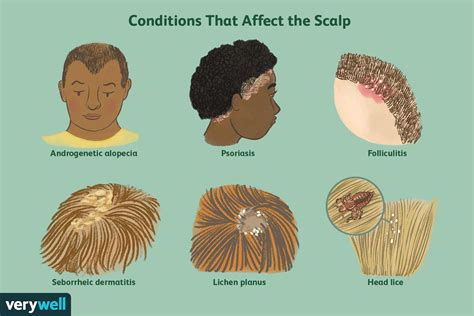
Seborrheic dermatitis is characterized by scaly, slightly elevated lesions that typically involve the hairline, scalp, and forehead. It causes an overproduction and flaking of skin cells, sometimes leading to itchy skin. The severity can range from mild scalp dandruff to more pronounced scaly patches on the skin. The disorder is linked to the common skin yeast Pityrosporum ovale, which resides in oil-rich skin regions, and the observed skin changes are attributed to the body's inflammatory response to this yeast. Factors such as stress, dry weather, and infrequent shampooing can exacerbate seborrheic dermatitis.
Environmental Factors
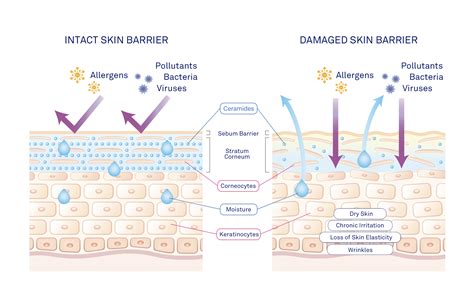
Our skin is constantly exposed to environmental stressors. Delicate skin around the nose is no exception. Excessive exposure to UV rays, dry winter air, and low indoor humidity can compromise the skin barrier, leading to increased water loss. The nose, being frequently exposed, is particularly vulnerable. Protective measures like wearing a scarf in cold weather or using a humidifier indoors can offer relief.
Skincare Products and Habits
Certain skincare ingredients, including retinoids and benzoyl peroxide, can be harsh on sensitive facial skin, potentially leading to dryness and flakiness. Opting for milder products and introducing new ones gradually can help identify potential irritants. Conversely, excessive cleansing can strip the skin of its natural oils, leaving it parched and inflamed. Harsh cleansers can weaken the skin barrier, making it more susceptible to water loss and irritant entry.
Allergies and Colds
Illnesses like colds and allergies can manifest with dry, crusty skin around the nose. The constant friction from blowing your nose with tissues, coupled with the effects of medications, can leave the skin in need of extra care. Using extra-soft tissues and maintaining consistent moisturization can help alleviate post-cold dryness.
Dehydration
Overall body dehydration affects the skin's hydration levels. Drinking sufficient water is crucial for maintaining skin health. Incorporating hydrating foods into your diet and limiting dehydrating beverages like alcohol and caffeine can also contribute to better skin hydration.
Contact Dermatitis
Contact dermatitis, triggered by contact with specific substances, can cause dry skin on the nose bridge. A common cause is nickel sensitivity, often from reading glasses resting on the nose. If contact dermatitis is suspected, a dermatologist can perform patch testing for accurate diagnosis.
Rosacea
Rosacea is a chronic skin condition causing facial redness, inflammation, and sometimes visible blood vessels. It often affects the area around the nose and can present as tiny bumps or changes in nose shape. While not dangerous, it can impact appearance and, in some cases, may indicate an underlying illness. Rosacea is more prevalent in individuals aged 30-50, particularly those with lighter skin tones and females.
Eczema
Eczema (atopic dermatitis) is a chronic inflammatory condition leading to dry, irritated, and sometimes cracked or bleeding patches of skin. Allergens, irritants, and dry skin can trigger flare-ups. Redness around the nose accompanied by dryness and itching may indicate eczema.
Sunburn
Inadequate sun protection can lead to sunburn specifically around the nose, causing redness, dryness, and soreness. Sunburn also increases the risk of skin cancer.
Nasal Vestibulitis
An infection at the entrance of the nose, nasal vestibulitis, can cause flushed skin and small bumps around and inside the nostrils, accompanied by pain and sensitivity. Prompt medical attention is crucial as it can spread to other areas.
Varicose Veins
While less common, varicose veins can occur on the nose, appearing as tiny damaged blood vessels that contribute to redness.
Lupus
Lupus, an autoimmune disease, can cause a butterfly-shaped rash (malar rash) across the cheeks and nose, which may be an early symptom of the condition.
Skin Infections
Bacterial skin infections like cellulitis can cause red, painful, and hot-to-the-touch skin. These infections require prompt medical treatment to prevent spreading.
Perioral Dermatitis
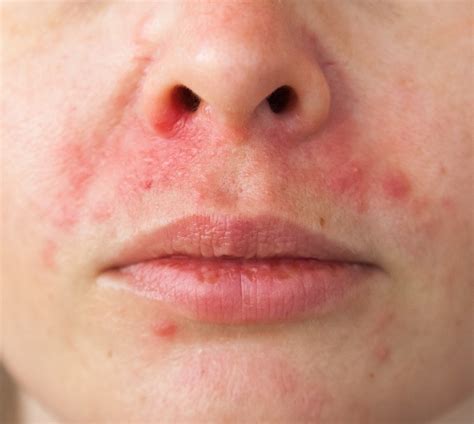
Perioral dermatitis (also known as periorificial dermatitis) is a common skin disorder presenting as clusters of small red bumps and/or dry red rashes primarily around the mouth, but it can also extend to the chin, around the nose, and eyes. The exact cause is unknown, but factors like skin irritants, topical steroids, and certain cosmetics may contribute. It is more common in women aged 16-45 and those using topical steroid medications.
Effective Treatments for Red Flaky Skin Around the Nose
The appropriate treatment for redness and flakiness around the nose depends on the underlying cause. However, several general remedies and professional treatments can help manage symptoms.
Home Remedies and Self-Care
- Hydrate from the Inside Out: Drink plenty of water to maintain overall skin hydration. Incorporate hydrating foods and limit dehydrating beverages.
- Gentle Cleansing: Opt for mild, hydrating, fragrance-free cleansers. Avoid excessive washing, especially with hot water.
- Moisturization: Apply a thin layer of a fragrance-free, hypoallergenic moisturizer to the dry area. For targeted relief, consider petroleum jelly to lock in moisture.
- Soothing Agents: For sunburns, aloe vera gel can provide a cooling sensation.
- Avoid Irritants: Discontinue the use of any skincare products or cosmetics that irritate the skin.
- Protect from the Elements: Shield your face with a scarf in cold weather and use a humidifier indoors. Wear sunscreen with SPF 30 or higher, even on cloudy days, and reapply regularly.
- Manage Colds: Use fragrance-free tissues, saline nasal sprays, and soothing moisturizers during colds to minimize irritation.
- Minimize Sun Exposure: Protect your skin with sunscreen and sun-protective clothing, especially during peak sun hours.
Medical Treatments
If home remedies are insufficient, professional medical treatments may be necessary:
- Topical Medications: Prescription creams, lotions, or gels containing ingredients like metronidazole, erythromycin, tacrolimus, or clindamycin may be prescribed for conditions like perioral dermatitis or rosacea.
- Antibiotics: Oral antibiotics, such as tetracycline or doxycycline, may be prescribed for more severe bacterial infections or inflammatory conditions.
- Topical Steroids: Low-potency topical steroids or steroid alternatives might be recommended for conditions like allergic contact dermatitis. However, their use should be carefully monitored, especially for perioral dermatitis.
- Laser Treatments: Laser therapy can be effective for conditions like rosacea and for removing spider veins.
- Patch Testing: For suspected contact dermatitis, patch testing by a dermatologist can identify specific allergens.
- Surgical Options: In cases of rhinophyma (a severe subtype of rosacea), surgical procedures like laser resurfacing may be considered.
- Anaphylaxis Treatment: For life-threatening allergic reactions, immediate emergency medical treatment with epinephrine is required.
When to Seek Professional Help
While many cases of dry, flaky skin around the nose can be managed at home, it's crucial to consult a healthcare professional or dermatologist if:
- Symptoms persist or worsen despite home treatment.
- The affected skin is very painful, cracks, or oozes.
- There are signs of infection, such as fever, swelling, or spreading redness.
- You suspect a chronic condition like rosacea, eczema, or lupus.
- You experience a rapidly spreading rash or difficulty breathing (seek emergency care).
A proper diagnosis is essential for effective treatment. Remember, consistency in your skincare routine and seeking timely medical advice are key to achieving and maintaining healthy, hydrated skin.