Milia, those small, pearly white bumps, can be a persistent cosmetic concern, affecting the smoothness and clarity of your skin. While not a medical emergency, they can be frustratingly noticeable. Unlike acne, milia do not lead to long-term skin damage and can sometimes resolve on their own. However, for those seeking a faster path to blemish-free skin, several effective strategies and skincare ingredients can help. This guide explores how to safely and effectively address milia, with a particular focus on the role of retinol eye creams.

Understanding Milia
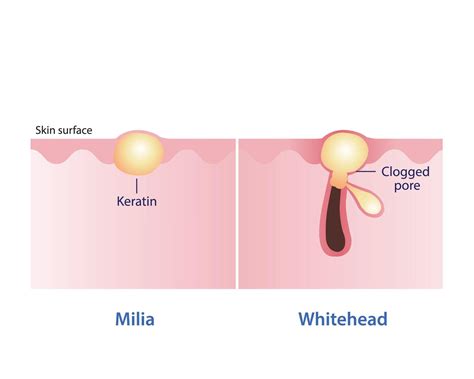
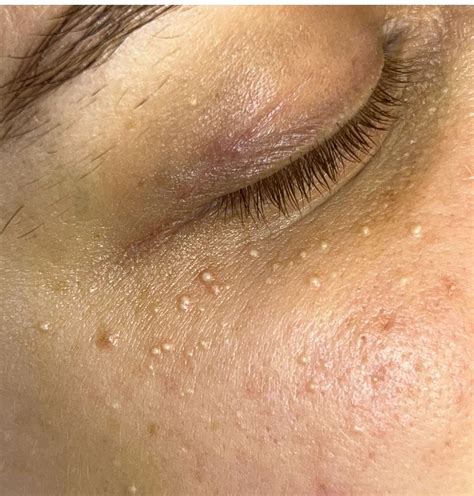
Often mistaken for whiteheads, milia are small keratin cysts. They form when dead skin cells are not properly shed and become trapped beneath the skin's surface, leading to the growth of new skin over them. These bumps typically appear as tiny, smooth, white to yellow spots, commonly found on the forehead, cheeks, nose, and around the eye area. While usually asymptomatic, some milia can occasionally be itchy or present as raised patches of skin.
Causes of Milia
The exact cause of milia in newborns is not always clear, but in individuals of all ages, several factors can contribute to their development. Primary milia arise from trapped dead skin cells. Secondary milia, on the other hand, can be triggered by skin injury or damage from various sources:
- Sun damage
- Rashes, burns, or blisters
- Chemical treatments
- Prolonged use of ointments or steroid creams
- Genetic predispositions
- Autoimmune responses
Milia around the eyes and forehead are also frequently linked to the use of heavy eye creams. The thicker texture of these products can potentially clog pores if not applied correctly. Similarly, other skincare products with comedogenic formulas and ingredients can contribute to milia formation.
Effective Strategies for Milia Treatment
While milia can be stubborn, a consistent and targeted skincare approach can significantly improve their appearance and prevent their recurrence. It is crucial to avoid picking or attempting to extract milia at home, as this can lead to bleeding, scarring, discoloration, and infection.
1. Gentle Cleansing
A well-rounded skincare routine begins with a gentle cleanser. Opt for formulas free from pore-clogging and harsh ingredients. Cleansing twice daily helps remove excess oil, debris, and dead skin cells. Cleansers containing gentle exfoliating acids like AHAs (alpha-hydroxy acids) and BHAs (beta-hydroxy acids) can help renew the skin's surface without causing dryness.
Featured Product: La Roche-Posay Effaclar Deep Cleansing Foaming Cream
This rich cleanser is designed to combat excess oil and prevent enlarged pores and blockages. It gently rids the skin of pore-clogging debris while helping to refine pores, thus preventing breakouts and conditions like milia. Its key ingredients include Salicylic Acid and Glycerin, making it suitable for oily, acne-prone, combination, and sensitive skin types.
Beauty Insider Tip: Lather the cream between your palms with warm water before applying to wet skin.
2. Gentle and Regular Exfoliation
Exfoliation is key to preventing clogged pores and keeping the skin milia-free. Gentle chemical exfoliation aids in shedding old skin cells, preventing keratin from becoming trapped beneath the skin, and promoting cell regeneration. Exfoliation can be performed once or twice a week, depending on skin sensitivity. Gentle acids such as salicylic acid and glycolic acid are recommended to effectively remove dead cells without causing irritation.
Featured Product: Kate Somerville Liquid Exfolikate Triple Acid Resurfacing Treatment
This potent exfoliating treatment features a triple acid blend, fruit enzymes, and peptides to smooth skin texture, brighten the complexion, refine pores, and dissolve dead skin cell buildup. With a 10% Triple Acid Blend (Glycolic, Malic, and Lactic Acids), it is suitable for all skin types. This treatment also functions as a toner that does not strip the skin.
Beauty Insider Tip: This versatile treatment can also be applied to the tops of your hands to help diminish signs of aging.
3. Chemical Peels
For a more intensive renewal process, chemical peels can be beneficial. Whether performed at home or by a professional, facial peels can address multiple skin concerns, including uneven texture, discoloration, and milia. When choosing ingredients, it's advisable to stick with gentle acids like glycolic acid and salicylic acid, as harsher treatments can exacerbate milia and cause irritation.
Featured Product: Replenix Glycolic Acid 20% Resurfacing Peel
These easy-to-use pads resurface the complexion with a blend of exfoliating and brightening ingredients. They minimize the appearance of fine lines and wrinkles while refining and unclogging pores. Key ingredients include Glycolic Acid, Antioxidants, and CoenzymeQ10, making it suitable for all skin types. Each pad is also infused with witch hazel for toning and astringent benefits.
Beauty Insider Tip: The witch hazel in these pads provides skin-toning and astringent benefits.
4. Incorporating Retinoids
Retinoids are highly effective skincare ingredients that can aid in milia treatment. They accelerate cell regeneration and promote the natural shedding of skin cells, preventing pore blockages. It is important to use retinoids, peels, and exfoliants alternately to avoid irritation. Consulting a dermatologist can provide guidance on integrating these active ingredients into your regimen.
Featured Product: Obagi Medical Retinol 1.0
This retinol treatment not only combats signs of aging but also diminishes hyperpigmentation and uneven texture. It hastens cell turnover to prevent premature aging and improve skin firmness and elasticity. Infused with Hyaluronic Acid, Vitamin C, and Vitamin E, it also soothes and hydrates the skin, making it beneficial for acne, discoloration, and milia.
Beauty Insider Tip: For those new to retinol and concerned about sensitivity, the 0.5 variant is a gentler starting point.
How To Apply Retinol Around The Eyes | Is Retinol Safe Around The Eye? | Eye Doctor Tips
5. Switching Eye Cream
Heavy eye creams can contribute to milia formation around the delicate eye area due to their thick texture, which can clog pores. The skin around the eyes is thinner and more sensitive, requiring lighter, non-comedogenic formulations. Opting for a hydrating yet lightweight eye cream can provide essential moisture and address concerns like puffiness and fine lines without causing milia.
Featured Product: Peter Thomas Roth Water Drench Hyaluronic Acid Cloud Hydrating Eye Gel
This eye gel offers intense hydration with a lightweight texture. It plumps the skin and improves the appearance of fine lines, wrinkles, and dark circles without overwhelming the pores. Its key ingredients include a 50% Hyaluronic Acid Complex, Pentavitin®, and 3% AcquaCell, making it suitable for all skin types.
Beauty Insider Tip: This eye gel can lock in moisture for up to 72 hours, even after cleansing.
6. Consistent Sunscreen Use
Daily sunscreen application is crucial. UV damage contributes to premature skin aging and can lead to enlarged pores, potentially exacerbating milia. Choose a non-comedogenic, broad-spectrum sunscreen with an SPF of at least 30 for everyday protection.
Featured Product: EltaMD UV Clear Broad-Spectrum SPF 46
This popular sunscreen offers broad-spectrum protection and is water-resistant. It is known for its ability to help reverse sun damage, unclog and refine pores, and hydrate the skin. Key ingredients include Zinc Oxide, Hyaluronic Acid, Niacinamide, Lactic Acid, and Antioxidants, making it ideal for acne-prone and sensitive skin types. Its formula also helps calm conditions like rosacea, acne, and eczema.
Beauty Insider Tip: This sunscreen is packed with ingredients that soothe sensitivity and inflammation.
Frequently Asked Questions About Milia
How Long Do Milia Last?
Newborn milia typically resolve within a few weeks. In adults, milia can take several weeks to a couple of months to fade. However, consistent skincare can help expedite this process.
Can Milia Be Extracted at Home?
It is strongly advised against attempting milia extraction at home. Milia are encapsulated by a hardened shell, making them difficult to extract without professional tools and techniques. DIY attempts can lead to scarring, infection, and post-inflammatory hyperpigmentation.
What Causes Milia?
Milia are caused by keratin trapped beneath the skin's surface. Primary milia are often seen in newborns and can be linked to genetics. Secondary milia in older children and adults can result from sun damage, skin injuries, certain medications, and heavy skincare products.
Do Milia Go Away by Themselves?
Yes, milia often resolve on their own over time, though it can be a slow process. If you prefer not to wait, professional extraction by a dermatologist is the safest and most effective option.
Can Eye Cream Cause Milia?
Indeed, some eye creams with heavy or comedogenic ingredients can contribute to milia formation around the eyes. Opting for lightweight, non-comedogenic formulas is recommended.
In summary, milia are benign keratin cysts that can be managed with a targeted skincare approach. By incorporating gentle cleansing, regular exfoliation, the judicious use of retinoids and chemical peels, and selecting appropriate eye creams and sunscreens, you can effectively treat and prevent milia, achieving smoother, clearer skin.