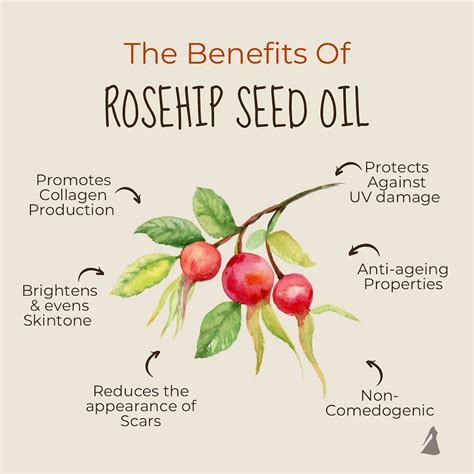
Rosehip oil boasts a rich history, cherished for centuries as both a therapeutic remedy and a valuable beauty product. Its potent composition, brimming with an array of vitamins, antioxidants, and essential fatty acids, makes it a powerful ally in nourishing and hydrating the skin. Furthermore, it holds the potential to diminish the visible signs of aging and contribute to the clearing of scars.
Understanding Rosehip Oil
Rosehip oil, also known as rosehip seed oil, is derived from the fruit and seeds of the Rosa canina rose bush, predominantly cultivated in Chile. Unlike rose oil, which is extracted from rose petals, rosehip oil is obtained through the pressing of the rose plant's fruit and seeds. This precious oil has been revered since ancient times for its remarkable healing properties. It is replete with skin-nourishing vitamins and essential fatty acids. Additionally, it contains phenols that have demonstrated antiviral, antibacterial, and antifungal capabilities.
Rosehip oil is frequently employed as a carrier oil for essential oils that are too concentrated to be applied directly to the skin. This section delves into the myriad ways rosehip oil can benefit your skin and how to seamlessly integrate it into your daily skincare regimen.

The Hydrating Power of Rosehip Oil
Hydration is paramount for maintaining soft, supple skin. A deficiency in moisture can become problematic, particularly during extreme weather conditions or as the skin naturally ages. Rosehip oil is a rich source of essential fatty acids, including linoleic acid and linolenic acid. These fatty acids play a crucial role in maintaining the integrity of cell walls, thereby preventing water loss.
The abundance of fatty acids in rosehip oil renders it an exceptional choice for alleviating dry, itchy skin. The skin readily absorbs this oil, allowing its beneficial antioxidants to penetrate deep into its layers. Moisturizing is key to locking in the skin's natural hydration and any additional oils applied. A 2015 study that utilized rosehip powder suggested that rosehips possess several anti-aging properties, including the ability to keep the skin moisturized. Researchers observed notable improvements in the overall moisture content of the skin in participants who ingested rosehip powder orally. These advantages can also be achieved through the topical application of rosehip oil. Rosehip oil is characterized as a dry, or non-greasy, oil, making it an excellent natural moisturizer suitable for all skin types.
Anti-Aging and Skin Renewal Properties
Natural exfoliation facilitated by rosehip oil can help combat dullness, revealing a more radiant and vibrant complexion. The vitamin A, also known as retinol, present in rosehip oil promotes skin cell turnover. Collagen, the fundamental building block of skin, is essential for its elasticity and firmness. The body's natural production of collagen declines with age.
Rosehip oil is abundant in vitamin A, which is vital for collagen synthesis. Furthermore, rosehip has been shown to inhibit the activity of MMP-1, an enzyme responsible for collagen degradation in the body. Scientific research supports these benefits. In a 2015 study, participants who consumed rosehip powder orally experienced a significant increase in skin elasticity. Rosehip is also rich in polyphenols and anthocyanin, which may help reduce inflammation. It also contains vitamin E, an antioxidant renowned for its anti-inflammatory effects.
Given these properties, rosehip oil may be beneficial in calming irritation associated with conditions such as:
- Rosacea
- Psoriasis
- Eczema
- Dermatitis

Combating Sun Damage and Hyperpigmentation
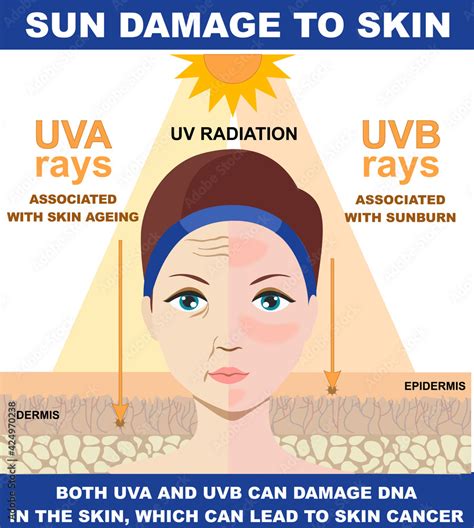
Cumulative damage from a lifetime of sun exposure significantly contributes to premature aging. Ultraviolet (UV) radiation can also impede the body's capacity to produce collagen. Rosehip oil is fortified with antioxidants like vitamins A and E. These vitamins have demonstrated efficacy in synergistically counteracting visible sun damage and may also help prevent photoaging. Consequently, rosehip oil can be employed to mitigate the adverse effects of UV exposure, though it should not be used as a substitute for sunscreen. It is advisable to consult with a healthcare professional or dermatologist regarding the safe integration of both rosehip oil and sunscreen into your skincare routine.
Hyperpigmentation occurs when excess melanin results in dark spots or patches on the skin. This can be triggered by various factors, including sun exposure, hormonal fluctuations (such as those during pregnancy or menopause), and certain medications like birth control pills and chemotherapy drugs. Rosehip oil is rich in vitamin A, which comprises several nutritional compounds, including retinoids. Retinoids are recognized for their ability to reduce hyperpigmentation and other visible signs of aging with consistent use. Rosehip oil also contains lycopene and beta carotene, ingredients reputed to possess skin-lightening properties, making them common components in many skin-lightening products. Animal studies suggest that rosehip extract has melanin-reducing properties, warranting further investigation for human application.
Scar Reduction and Tissue Regeneration
Rosehip oil is rich in essential fatty acids and antioxidants, which are vital for tissue and cell regeneration in the skin. It is unsurprising that this oil has long been utilized as a remedy for wound healing and for reducing the appearance of scars and fine lines. A 2015 study involving rosehip powder revealed a significant reduction in the appearance of fine lines around the eyes, commonly known as crow's feet, after 8 weeks of oral treatment. In a separate 2015 study, participants with post-surgical scars applied topical rosehip oil to their incision sites twice daily. After 12 weeks of use, the group using rosehip oil exhibited considerable improvements in scar color and inflammation compared to the control group that did not receive topical treatment.
HOW I HEALED MY ACNE SCARS FAST - ROSE HIP SEED OIL BEFORE AND AFTER
Preventing Skin Breakouts and Infections
Rosehip oil is abundant in antioxidants and polyunsaturated fatty acids, such as linoleic acid, which are crucial for preventing the breakdown of cell membranes in the skin. Strong, healthy cells form a barrier that prevents bacteria from invading the skin, thereby averting outbreaks and infections. Both animal and human studies have indicated that rosehip powder can strengthen the skin's cells and extend their longevity. Rosehip powder has also been shown to reduce the production of MMP-1, an enzyme that degrades cellular structures like collagen.
How to Use Rosehip Oil for Dry Skin
Rosehip oil is a dry oil that is readily absorbed by the skin. Although it is generally safe for all skin types, performing a patch test before initial use is recommended to ensure there are no allergic reactions.
Patch Testing Rosehip Oil:
- Apply a small amount of rosehip oil to your forearm or wrist.
- Cover the treated area with a bandage or gauze.
- After 24 hours, examine the area for any signs of irritation.
- If the skin becomes itchy or inflamed, discontinue use of rosehip oil (consult a doctor if irritation persists).
- If no signs of irritation appear, it should be safe to apply the oil elsewhere.
Once a patch test has been successfully completed, rosehip oil can be applied up to twice daily. The oil can be used on its own, or a few drops can be added to another carrier oil or your preferred moisturizer.
Storage and Selection:
Rosehip oil can become rancid quickly. To prolong its shelf life, store the oil in a cool, dark place, or refrigerate it. While slightly more expensive, cold-pressed, organic rosehip oil is recommended for its purity and optimal results.
Popular choices include:
- Radha Rosehip Oil
- Kate Blanc Rosehip Seed Oil
- Majestic Pure Cosmeceuticals Rosehip Oil
- Life-Flo Organic Pure Rosehip Seed Oil
- Teddie Organics Rosehip Oil
Potential Allergic Reactions
While rosehip oil is generally safe for all skin types, allergic reactions are not uncommon. Before using rosehip oil for the first time, it is essential to perform a patch test to confirm your skin's tolerance to the oil. If you experience any of the following symptoms, consult your doctor:
- Red, itchy skin
- Itchy, watery eyes
- Scratchy throat
- Nausea
- Vomiting
In severe cases, anaphylaxis is possible. Seek immediate emergency medical attention if you experience:
- Difficulty breathing
- Wheezing
- Swollen mouth, throat, or face
- Rapid heartbeat
- Stomach pain