Dandruff is a very common problem characterized by the development of white or yellow flakes on the scalp. These flakes can break away from the skin, becoming visible in the hair or falling onto the neck and shoulders, which can be an embarrassing issue. While many over-the-counter products are available, those who prefer natural remedies often turn to an essential oil known as tea tree oil.
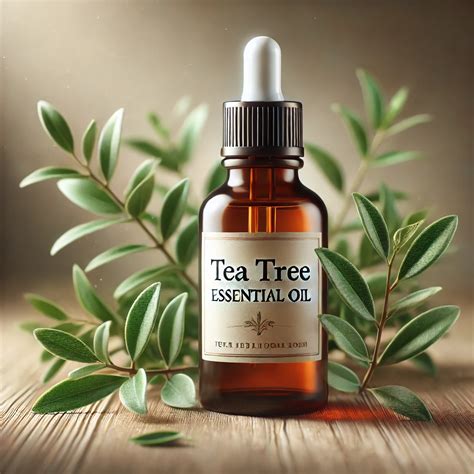
Despite its name, tea tree oil is not related to the tea that is consumed. Instead, it is derived from a plant that grows in the swampy regions of Australia. The oil is extracted from its leaves and has been used in folk remedies for centuries. Today, many manufacturers of hair care products incorporate tea tree oil into their formulas to provide health benefits for the hair and scalp. Researchers believe that one of the potential benefits of these products is reducing the appearance of dandruff.
Understanding Dandruff and Tea Tree Oil's Role
Dandruff can stem from various causes, but many individuals experiencing it have an excessive amount of a yeast called malassezia on their scalps. Tea tree oil possesses antifungal properties, meaning it can destroy various types of fungi. Some scientists speculate that these antifungal actions enable tea tree oil to reduce the amount of malassezia on the skin, potentially making it effective in managing dandruff. While scientific evidence is still limited, preliminary clinical trials suggest promising results.
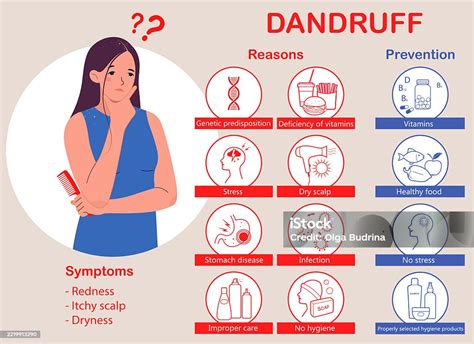
Dandruff is a scalp condition marked by dry, white flakes of dead skin, often accompanied by itching. Several factors can contribute to dandruff, including:
- Oily, irritated skin
- Dry skin and hair
- A fungus, called malassezia
- Contact dermatitis
- Poor hygiene
The symptoms of dandruff can include a scaly and itchy scalp, red patches, patches of hair loss, blistering or skin irritation, and in babies, a yellow crust on the scalp.
Scientific Evidence Supporting Tea Tree Oil for Dandruff
One notable study, published in 2002, involved 126 individuals with dandruff. Participants were randomly assigned to use either a shampoo containing 5% tea tree oil or a placebo shampoo daily for four weeks. The group using the 5% tea tree oil shampoo demonstrated a 41% improvement in the quadrant-area-severity score, compared to an 11% improvement in the placebo group (P <.001). Statistically significant improvements were also observed in the total area of involvement score, the total severity score, and the itchiness and greasiness components of the patients' self-assessments. While the scaliness component of patient self-assessment improved, this particular result was not statistically significant.
Another study in 2006 found that a shampoo with 5% tea tree oil, when compared to a placebo, also yielded positive results in reducing itching, greasiness, and lesions associated with dandruff. A more recent study indicated that tea tree oil shampoo produced a 78% reduction in microbial growth on the scalp.
How to Use Tea Tree Oil for Dandruff
If you wish to use tea tree oil to address dandruff, several options are available. Many manufacturers of hair care products now include tea tree oil in their formulations. You can find:
- Shampoos specifically formulated with tea tree oil.
- Raw essential oils.
- Hair oils containing tea tree oil.
- Scalp treatments featuring tea tree oil.
For those who prefer a more hands-on approach, here are a few methods:
- Purchase a shampoo containing 5% tea tree oil. This concentration has been shown to be effective in managing fungi that contribute to dandruff.
- Add tea tree oil to your current shampoo. Mix five to ten drops of tea tree essential oil into your regular shampoo bottle and shake well. Massage gently into your scalp and rinse thoroughly.
- Make your own tea tree oil shampoo. Recipes often include ingredients like olive oil, vitamin E oil, coconut milk, filtered water, and baking soda, in addition to tea tree oil.
Important Precautions When Using Tea Tree Oil
While tea tree oil offers potential benefits, it's crucial to use it safely. According to Poison Control, tea tree oil can be poisonous if swallowed and should not be used in or near the mouth. Ensure you avoid getting tea tree oil into your eyes when applying it to your scalp. If contact occurs, flush your eyes immediately with warm water and consult a doctor if irritation or redness persists.
Tea tree oil is not intended for direct application on the skin or scalp at full strength, as it may cause irritation or itching. It's advisable to dilute it with a carrier oil, such as coconut or jojoba oil, before topical application. Additionally, a small percentage of people may be allergic to tea tree oil. Therefore, it is recommended to perform a patch test before liberally applying the essential oil or products containing it to your scalp. Apply a small amount to a discreet area of skin and wait 24 hours to check for any adverse reactions.
How to Test for an Essential Oil Allergy
When to Seek Medical Advice
Dandruff is generally not a serious medical condition, but it can sometimes mask an underlying issue with similar symptoms. You should consult a doctor about your dandruff if:
- It does not respond to over-the-counter solutions, including regular anti-dandruff shampoos or more frequent washing.
- Your scalp itches uncontrollably and interferes with your daily life or activities.
- Your scalp is swollen, red, or contains open sores.
This summary is intended for general informational purposes only and should not be interpreted as specific medical advice. The Food and Drug Administration does not strictly regulate herbs and supplements, so there is no guarantee of purity, strength, or safety. Effects may vary, and it is essential to read product labels carefully. If you are taking medications, herbs, or other supplements, consult a qualified healthcare provider before using any new product, as interactions may occur. If you have a medical condition, are pregnant or nursing, or experience side effects, speak with your physician.