Acne is a common skin condition that can affect individuals of all ages. While often perceived as a cosmetic concern, acne can lead to disfigurement and permanent scarring. The lasting impact of acne on the skin can be difficult to correct, underscoring its significance as a health issue. In the United States, acne is a primary reason for visits to dermatologists.
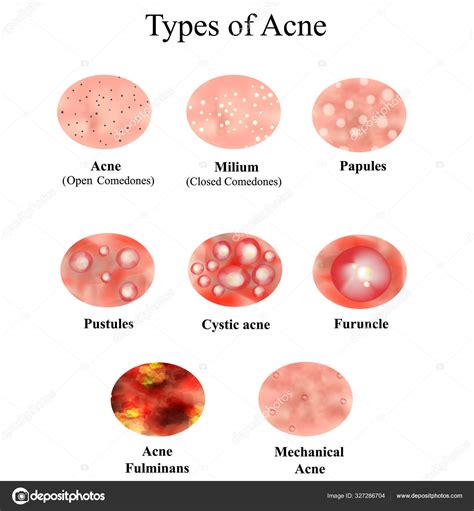
Types of Acne
Acne is typically categorized into three types based on severity:
- Mild acne: Characterized by open and closed comedones (blackheads and whiteheads).
- Moderate acne: Features more inflammatory lesions, including redness, pus, and a higher potential for scarring if left untreated.
- Severe acne: Involves nodules, cysts, and painful lesions that can result in disfiguring scars.
Conventional Acne Treatments and Their Limitations
Various treatments are available for acne, each with its own set of benefits and drawbacks.
Topical Treatments
Topical treatments, such as benzoyl peroxide and antibiotics, are commonly prescribed to combat acne. However, their effectiveness can be limited by skin irritation and dryness, especially at higher concentrations needed for thorough treatment. Benzoyl peroxide, while effective, can be irritating, causing redness, dryness, peeling, stinging, or burning. The concentration of benzoyl peroxide is often a limiting factor in maximizing treatment efficacy.
Topical Retinoids
Medications like adapalene, tretinoin, and tazarotene are effective in treating acne by exfoliating the skin and unclogging pores. They can also improve photodamage and redness. However, serious skin irritation is a very common side effect that frequently leads to discontinuation of these products.
Oral Antibiotics
Oral antibiotics have proven effective against acne. However, concerns exist regarding the development of drug-resistant bacteria and a potential increased risk of breast cancer with chronic use. Furthermore, prolonged use of antibiotics can lead to yeast and fungal infections.
Isotretinoin (Accutane)
For severe cases of acne, isotretinoin is a powerful option. However, it is a potent teratogen, capable of causing major fetal abnormalities. Its use requires extreme caution due to a long list of potential side effects, including visual disturbances, headaches, bone changes, poor wound healing, pancreas and liver dysfunction, and depression. There have been frequent reports of suicide attempts or ideation associated with isotretinoin use, leading to its inclusion in the FDA's database of drugs linked to depression and suicide attempts. Manic psychosis has also been correlated with its use.
Hormonal Therapies
Hormonal therapies, such as oral contraceptives, are occasionally used for acne treatment, particularly for hormonally exacerbated acne. While effective, they carry risks such as blood clots, stroke, and potentially death. Women over 35 are advised against long-term use of oral contraceptives.
Tea Tree Oil as an Acne Treatment
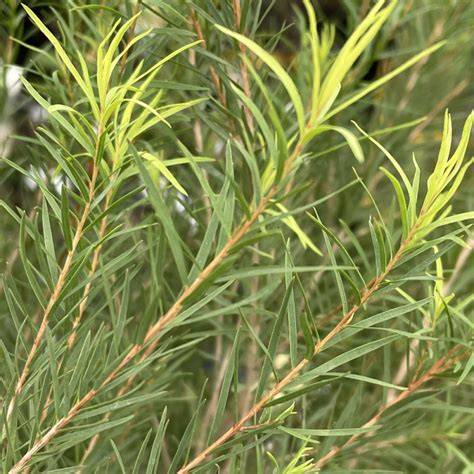
Tea tree oil, an essential oil derived from the Australian native tree Melaleuca alternifolia, has been recognized for its antiseptic properties. While anecdotal evidence supports its efficacy for various skin conditions, more rigorous studies are needed.
Properties and Limitations of Tea Tree Oil
Tea tree oil possesses antibacterial and anti-inflammatory properties, making it a potential candidate for acne treatment. It is effective against bacteria, including P. acnes, which is responsible for acne. However, direct application of concentrated tea tree oil can be irritating. Its strong, pungent odor and the perceptible residue it leaves on the skin can be undesirable for patients seeking a clean feel.
Studies have indicated that tea tree oil can significantly improve mild to moderate acne. A randomized, double-blind, placebo-controlled trial showed that a 5% tea tree oil gel reduced acne lesions by approximately 40% and pus-filled pimples by 47% over six weeks, outperforming a placebo. However, the onset of action for tea tree oil is generally slower compared to other treatments.
Combining Benzoyl Peroxide and Tea Tree Oil
The combination of benzoyl peroxide and tea tree oil offers a synergistic approach to acne treatment, leveraging the strengths of both ingredients while potentially mitigating some of their individual drawbacks.
Synergistic Effects
When used together, benzoyl peroxide and tea tree oil can provide a more comprehensive treatment regimen. Benzoyl peroxide helps to purify the skin, reduce bacteria, and unclog pores by breaking down the outer layer of the skin. Tea tree oil, with its antibacterial and anti-inflammatory properties, complements this action by further combating acne-causing bacteria and reducing inflammation. This combination can lead to a reduction in blemishes and help prevent future breakouts.
Reduced Irritation
One of the key advantages of combining these ingredients is the potential for reduced irritation. While benzoyl peroxide can be drying and irritating, tea tree oil's anti-inflammatory properties may help to soothe the skin and diminish some of the irritation associated with benzoyl peroxide. This allows for the use of potentially higher concentrations of benzoyl peroxide, leading to more effective treatment with less discomfort.
Clinical Evidence and Formulations
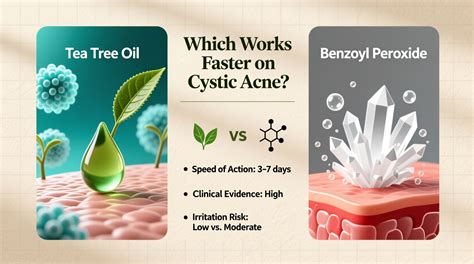
Clinical trials comparing 5% tea tree oil gel and 5% benzoyl peroxide lotion showed that both treatments were effective in reducing inflammatory and non-inflamed acne lesions. While benzoyl peroxide demonstrated a faster onset of action, tea tree oil showed comparable efficacy over time with potentially fewer side effects. Formulations combining these ingredients are available, often in concentrations of benzoyl peroxide up to 50% and tea tree oil up to 50%, depending on the carrier and other active ingredients.
A common formulation involves a multi-step system:
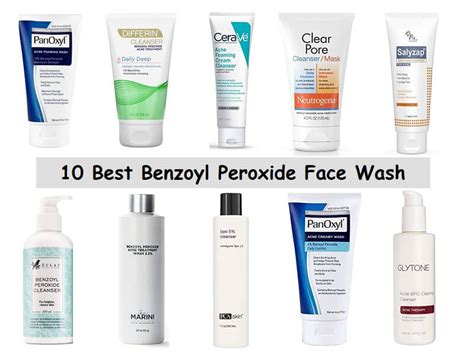
- Cleanser: A glycol-based cleanser containing benzoyl peroxide (up to 35%) is used to wash off excess oil and debris.
- Toner: A toner containing tea tree oil (up to 50%), with or without witch hazel, is applied to shrink pores and reduce inflammation.
- Lotion/Moisturizer: A lotion containing hydrators like glycerol or hyaluronic acid is applied to moisturize the skin.
Compounded Formulations
Specialty pharmacies offer compounded formulations that combine benzoyl peroxide and tea tree oil in specific concentrations tailored to individual needs. For example, a Benzoyl Peroxide 5%/Tea Tree Oil 2.5% Topical Cream can be compounded to manage acne, seborrheic dermatitis, and folliculitis. These custom-made medications are dispensed with a pump mechanism for easy and controlled application.
When using compounded formulations or over-the-counter products containing these ingredients, it is advisable to:
- Apply a thin layer to the affected area.
- Use sunscreen and protective clothing when exposed to the sun.
- Avoid contact with eyes, nose, and mouth.
- Consult a healthcare provider for personalized advice.
Other Potential Acne Treatments
Beyond benzoyl peroxide and tea tree oil, other ingredients are used in acne treatment:
- Alpha-hydroxy acids (AHAs): Such as glycolic acid, AHAs exfoliate the skin and can reverse photodamage. Higher concentrations (35-70%) are used in professional treatments. The anti-inflammatory properties of some formulations may counteract the potential for irritant dermatitis.
- Vitamin A derivatives (Retinoids): Compounds like retinol are effective for both anti-acne and anti-aging treatments.
- Vitamin C and its derivatives: These have shown anti-acne action and can stabilize other active ingredients. They also possess preservative functions.
- Sulfur-based compounds: These are effective against acne but can have an unpleasant odor.
- Humectants: Ingredients like glycerol and hyaluronic acid help retain skin moisture.
- Emulsifiers: Various compounds are used to create stable cosmetic formulations.
While urine therapy advocates claim historical use for skin conditions, scientific evidence supporting its efficacy is lacking, and it is not a recognized medical treatment. In contrast, the combination of benzoyl peroxide and tea tree oil has demonstrated clinical utility in managing acne.