Ringworm, a common fungal infection in cats, is most frequently caused by the dermatophyte Microsporum canis. Various medications have been employed for its treatment, including itraconazole, griseofulvin, and terbinafine. Terbinafine, marketed as Lamisil, presents an interesting option due to its demonstrated efficacy and good tissue penetration in other species, often requiring short treatment durations and being well-tolerated.
Despite its potential, limited research has been conducted specifically on the use of terbinafine in cats. A notable study aimed to determine the residual concentration of terbinafine in cat hair following a 14-day oral therapy. Ten healthy cats were administered terbinafine at a daily dosage of 34-45 mg/kg for two weeks. Hair samples were collected at the beginning of the study and weekly for eight weeks after the final dose.
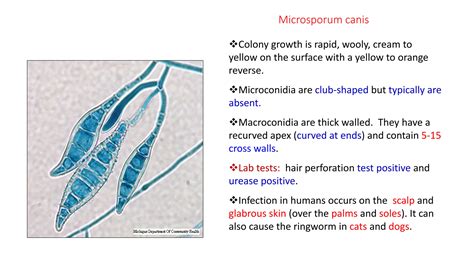
The analysis revealed that, with a 99% confidence interval, the concentration of terbinafine in the hair remained above the minimal inhibitory concentration (MIC) for M. canis for a period of five weeks post-treatment. This suggests a significant residual effect of the medication.
During the treatment period, four cats experienced vomiting. Additionally, two of these cats developed intense facial itching (pruritus) approximately seven to fourteen days after completing the therapy. These observations highlight potential side effects that warrant consideration.
The researchers concluded that terbinafine persists in feline hair at concentrations exceeding the MIC for several weeks, even after a relatively short, 14-day treatment course. This finding supports the investigation of pulse therapy regimens using terbinafine for feline ringworm, offering a potentially more convenient and effective treatment strategy.
Understanding Dermatophytosis in Cats
Dermatophytosis, commonly known as ringworm, is the most prevalent fungal infection affecting cats and stands as one of the most significant infectious skin diseases within the species. The primary causative agent is typically Microsporum canis (M. canis).
The Agent: Microsporum canis
M. canis produces highly resilient arthrospores that can remain viable in the environment for up to a year. Transmission occurs readily through direct contact with infected animals or indirectly via contaminated objects (fomites).
Epidemiology and Transmission
The prevalence of dermatophytosis, while not extensively documented, is considered high worldwide in cats. Subclinical infections are common, particularly in longhaired cats over two years old, though isolation of M. canis from a healthy animal can indicate subclinical infection or fomite carriage.
Several factors can predispose cats to dermatophytosis. These include:
- Young age (within the first two years of life)
- Immunosuppression, whether due to underlying conditions or medication
- Concurrent diseases
- Nutritional deficiencies, especially in protein and vitamin A
- Environmental conditions of high temperature and humidity
- Skin trauma from various sources, including ectoparasites, scratching, or clipping
- Poor hygiene and social stress in overcrowded environments
The presence of feline immunodeficiency virus (FIV) and feline leukemia virus (FeLV) has been studied for its potential impact on fungal infection prevalence. While some studies suggest a higher prevalence in FIV-infected cats, others have not found a significant association, indicating that environmental factors may play a more crucial role.
Transmission occurs primarily through direct contact with infected cats, dogs, or other animals. Cats can also act as passive carriers of arthrospores on their hair. Infected hair shafts are fragile, facilitating the spread of spores. Risk factors for transmission include introducing new animals to a cattery, attending cat shows, and residing in catteries or shelters. Arthrospores can easily become airborne, spreading to areas without feline access, underscoring the importance of considering indirect contact through contaminated items.
M. canis is zoonotic, meaning it can be transmitted to humans. Outdoor cats may be exposed to other dermatophytes like Nannizzia gypsea from soil, or T. mentagrophytes and T. quinckeanum from rodents, and T. verrucosum from cattle.
Pathogenesis
Healthy skin acts as a barrier against fungal invasion. The rapid regeneration of epidermal cells also aids in shedding the fungus. However, when dermatophytes colonize the dead, keratinized portions of the epidermis, such as the stratum corneum and hair, they produce enzymes that break down keratin. This leads to hair breakage near the skin surface, resulting in hair loss. The fungus cannot penetrate deeper into the skin due to its susceptibility to higher temperatures.
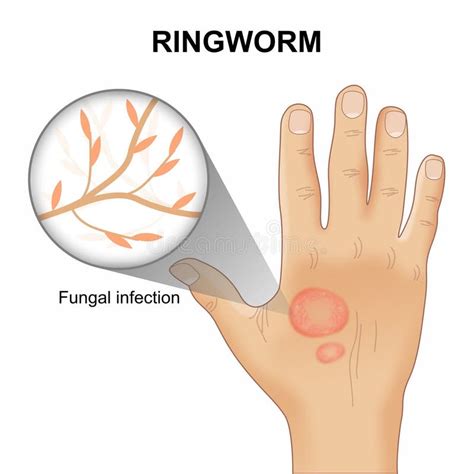
The metabolic byproducts of the fungus can trigger an inflammatory response, often manifesting as circular lesions with central healing and peripheral papules-the characteristic "ringworm" appearance. In immunocompetent cats, these lesions are often self-limiting and localized. However, in immunocompromised individuals, the infection can become multifocal or generalized, potentially leading to secondary bacterial infections.
Immunity
Naturally acquired ringworm typically confers long-lasting immunity, although re-infections are possible with a significantly higher spore load. The development of full immunity may depend on the infection running its complete course. Both humoral and cellular immune responses are involved, with Th1 cell activation generally leading to recovery and Th2 cell activation potentially contributing to chronic disease.
Clinical Signs of Feline Ringworm
The presentation of ringworm in cats can vary, ranging from mild, self-limiting infections to more severe, generalized disease.
Typical Lesions
The classic signs of ringworm include:
- Regular, circular patches of alopecia (hair loss)
- Hair breakage
- Desquamation (scaling)
- Erythematous (reddened) margins around healing central areas
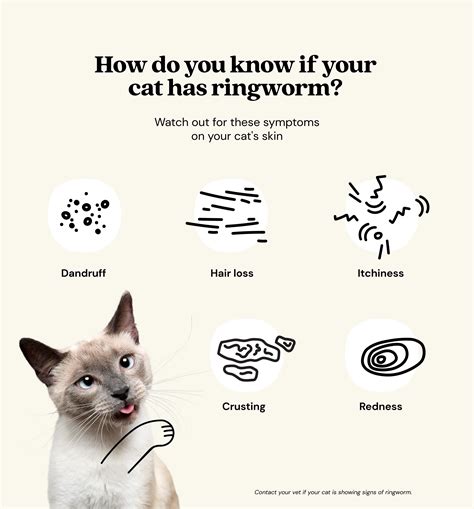
These lesions can be small or several centimeters in diameter and may appear singly or in multiple locations, commonly on the head, but also on any part of the body, including the legs and tail. Young cats often show initial lesions on the bridge of the nose, spreading to the temples and ear margins.
Pruritus (itching) is variable, usually mild to moderate. Systemic signs like fever or appetite loss are generally absent.
Atypical Presentations
In some cats, dermatophytosis can manifest as a papulo-crustous dermatitis, often described as "miliary dermatitis," predominantly affecting the dorsal trunk.
Immunosuppressed cats may develop extensive lesions with secondary bacterial infections. These can appear as large alopecic areas, erythema, significant pruritus, exudation, and crusting, sometimes mimicking other dermatological conditions. However, typical ringworm signs may still be present at the lesion edges.
Rarely, ringworm can affect the nails (onyxis) and surrounding skin (perionyxis). Nodular granulomatous dermatitis, known as pseudomycetoma, is another uncommon manifestation, presenting as firm, non-painful nodules that may fistulate. Pseudomycetoma can also occur as an abdominal mass following surgery in cats with cutaneous dermatophytosis.
Diagnostic Approaches for Ringworm
Given that ringworm lesions can resemble other feline skin diseases, dermatophytosis should be considered in all cats presenting with cutaneous issues. Ideally, diagnosis should be confirmed before initiating treatment.
Wood's Lamp Examination
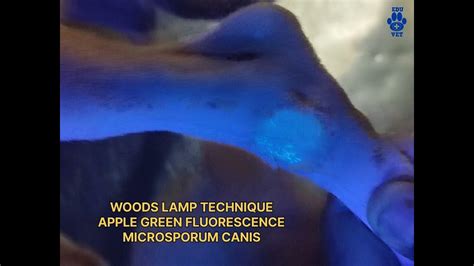
Wood's lamp examination is a simple and inexpensive screening tool, particularly for M. canis. Infected hair shafts exhibit an apple-green fluorescence under its light. However, this method is not highly sensitive, as only about 50% of M. canis strains fluoresce, and other dermatophytes do not fluoresce at all. False positives can occur due to debris, scale, or topical medications. While discrepancies exist regarding its utility, a well-trained observer using a quality lamp with magnification can achieve accurate results.
Microscopic Examination
Direct microscopic examination of plucked hairs or scales is another rapid diagnostic method. Samples are typically cleared with potassium hydroxide (KOH) before examination. Fungal elements appear as thicker hairs or fragments with a rough, irregular surface, featuring hyphae and arthrospores. While useful, this method can yield false positives if keratin or debris is mistaken for fungal elements, and its sensitivity is moderate.
Fungal Culture
The gold standard for diagnosing dermatophytosis is fungal culture on specialized media, such as Sabouraud agar. This method allows for definitive identification of the causative dermatophyte species.
Veterinarian Treats Rescue Kitten’s Ringworm Infection
Treatment Considerations with Terbinafine
Terbinafine is an antifungal medication classified for human use and is also utilized in veterinary medicine for treating fungal skin infections, primarily ringworm. While not FDA-approved for veterinary use, veterinarians can legally prescribe it for animals. It may be used as a standalone treatment or in combination with other antifungals.
Efficacy and Administration
Terbinafine is generally well-tolerated by cats. It is best absorbed when administered with a full stomach. If a dose is missed, owners should consult their veterinarian for guidance, which typically involves administering the dose as soon as remembered or skipping it if the next dose is imminent.
The effectiveness of terbinafine for ringworm in cats is supported by studies showing its persistence in hair at concentrations above the minimum inhibitory concentration for several weeks after a short treatment course. This persistence suggests that terbinafine may be a valuable option for managing feline dermatophytosis, potentially allowing for less frequent dosing regimens.
Monitoring and Potential Side Effects
Treatment with terbinafine requires ongoing monitoring by a veterinarian, including follow-up visits and diagnostic tests to assess treatment efficacy. Potential side effects observed in studies include vomiting and facial pruritus. While terbinafine is not typically used for ear infections, it may be included in some combination ear solutions.
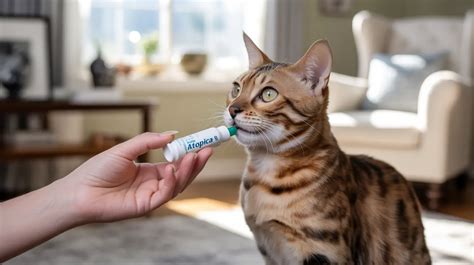
It is crucial for pet owners to follow their veterinarian's instructions precisely and to report any adverse reactions promptly. Overdosing requires immediate veterinary attention.
tags: #terbinafine #for #cats #ringworm