While it may seem that the only recourse when experiencing a bruise is to wait for it to heal, emerging research suggests that a common herb, Arnica, can significantly aid in the recovery process. It has the potential to help reduce bruising, alleviate pain, and decrease inflammation.
Understanding Arnica
The scientific name for Arnica is Arnica montana. It is also recognized by several other names, including Mountain tobacco, Leopard's bane, Wolf's bane, and Mountain arnica. The flower of the Arnica plant has a long history of traditional use for its perceived benefits in reducing pain, swelling, and bruising.
The active compounds found in Arnica plant extracts include:
- Flavonoids
- Carotenoids
- Essential oils
- Diterpenes
- Phenolic acids
- Oligosaccharides
These compounds contribute to Arnica's various beneficial properties, such as antibacterial, antifungal, anti-inflammatory, antioxidant, antitumor, and immunomodulatory effects. However, it is important to note that more high-quality research is needed to definitively confirm these benefits and establish optimal usage methods.

Arnica for Pain Management
Arnica is frequently employed for pain management, although scientific evidence supporting its efficacy is varied. A comprehensive review of studies in 2016 indicated that Arnica was effective in alleviating post-operative pain when compared to a placebo. The review concluded that homeopathic Arnica could serve as a viable alternative to nonsteroidal anti-inflammatory drugs (NSAIDs), depending on the specific condition being treated.
Further research in 2021 suggested that Arnica, in gel, cream, or extract form, might offer benefits for chronic pain management. However, a contrasting double-blind study from 2010, which examined the effects of Arnica on muscle pain in 53 participants, found that Arnica lotion actually increased leg pain 24 hours after atypical muscle use when compared to a placebo.
Arnica for Bruising and Swelling
Regarding bruising and swelling, a 2021 review indicated that homeopathic Arnica demonstrated a modest effect in mitigating excessive hematoma or bruises following surgical procedures when compared to a placebo. A 2020 systemic review of 29 articles proposed that Arnica might reduce ecchymosis (skin discoloration typically caused by bruising) when used after rhinoplasty and facelifts or other facial procedures.
Additionally, a 2017 analysis of 11 trials involving over 600 patients suggested that Arnica, when combined with cold compression and tape, could lessen eyelid bruising and swelling after rhinoplasties. Despite these findings, a 2021 report by the American Academy of Ophthalmology (AAO) did not support the use of Arnica for reducing ecchymosis after oculofacial surgeries.
The current body of research indicates a need for further investigation to confirm the effectiveness of Arnica for pain, bruising, and swelling, as well as to determine appropriate dosages.
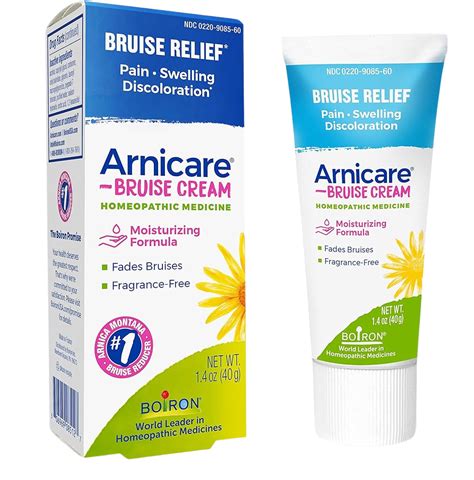
Forms and Application of Arnica
Arnica is available in various forms:
- Gels
- Lotions
- Pain patches
- Tissue salts
- Pills
- Teas
While many Arnica products can be found online, it is advisable to consult with a healthcare professional to identify reputable brands. Dermatologist Dr. Jennifer Gordon suggests applying gels and lotions to the affected area three to four times daily, or as directed by a healthcare provider. Plastic surgeon Dr. Alexander Zuriarrain recommends avoiding the eye area, as Arnica lotions can cause burning.
For pain patches, Dr. Gordon advises applying them near the site of pain as directed, with Dr. Zuriarrain noting that they can typically be used twice daily. Usage instructions are usually provided on the product packaging.
When using tissue salts, Dr. Gordon suggests dissolving the recommended amount in bathwater for soaking. The appropriate dosage will be indicated on the product packaging, and consulting with a healthcare professional beforehand is recommended.
For oral Arnica products such as tablets and teas, Dr. Gordon emphasizes speaking with your doctor and pharmacist regarding reputable brands and dosages. Once approved, adhere strictly to the label's instructions for dosing and brewing teas.
Safety Considerations and Precautions
It is crucial to be aware of the safety considerations associated with Arnica. The U.S. Food and Drug Administration (FDA) considers Arnica unsafe for ingestion.
Consuming Arnica can lead to adverse effects, including:
- Diarrhea
- Vomiting
- Nausea
- Internal bleeding
There is a risk of overdose, even with homeopathic Arnica. A 2013 study documented a case where an individual experienced vomiting and temporary vision loss after overdosing on homeopathic Arnica.
According to the Memorial Sloane Kettering Cancer Center, Arnica should be avoided during pregnancy or breastfeeding, as it can potentially harm the baby. In one reported instance, a baby became lethargic after their mother drank Arnica tea, requiring medical treatment.
Individuals taking warfarin (Coumadin) or any other blood-thinning medication should also avoid ingesting Arnica. Research from 2000 indicated that alternative therapies, including Arnica, could interact with warfarin, potentially increasing its effectiveness.
Key Precautions:
- Do not ingest Arnica if you are pregnant, breastfeeding, or taking blood-thinning medication.
- Do not apply Arnica to sensitive skin or open wounds.
- Always perform a patch test before applying Arnica lotion to the skin.
Frequently Asked Questions
Does Arnica interact with medications?
A study from 2000 confirmed that ingested Arnica can interact with blood-thinning medications, such as warfarin, by potentially making anticoagulants more effective.
How much Arnica should I take for bruising?
There is no evidence-based consensus on the exact dosage of Arnica for bruising. Dr. Gordon states that it "depends on which product and how it's dosed." Following the instructions on the product packaging is recommended. For individuals anticipating surgery, starting Arnica two weeks prior is often suggested.
Is Arnica for bruising or swelling?
More research is needed to definitively establish Arnica's effectiveness for treating bruising or swelling, as the available data is mixed. While some reviews suggest a slight benefit in reducing bruises and ecchymosis, the AAO does not endorse its use for specific post-surgical applications.
How do you get rid of a bruise in 24 hours?
Dr. Zuriarrain emphasizes managing expectations, stating that it is "not logical that a bruise will resolve within 24 hours." Bruises, which are collections of burst blood vessels, require time for the body's cells to dissolve. While a bruise may not disappear completely in 24 hours, combining Arnica with massage therapy may lead to faster improvement in its appearance.
How To Get Rid Of Bruises FAST! | Arnica Gel 📍 How To With Kristin
In summary, Arnica shows promise as a topical treatment for bruises and associated pain and swelling. However, it is essential to use it cautiously, adhere to safety guidelines, and consult with healthcare professionals for personalized advice, especially concerning internal use or interactions with existing medications.