In today's aesthetic landscape, clinics and spas widely offer Botox injections as a solution for eliminating facial wrinkles. However, it is crucial to understand precisely what Botox can and, more importantly, cannot achieve. Just as a carpenter with only a hammer might view every problem as a nail, the application of Botox requires a nuanced understanding of its specific uses.
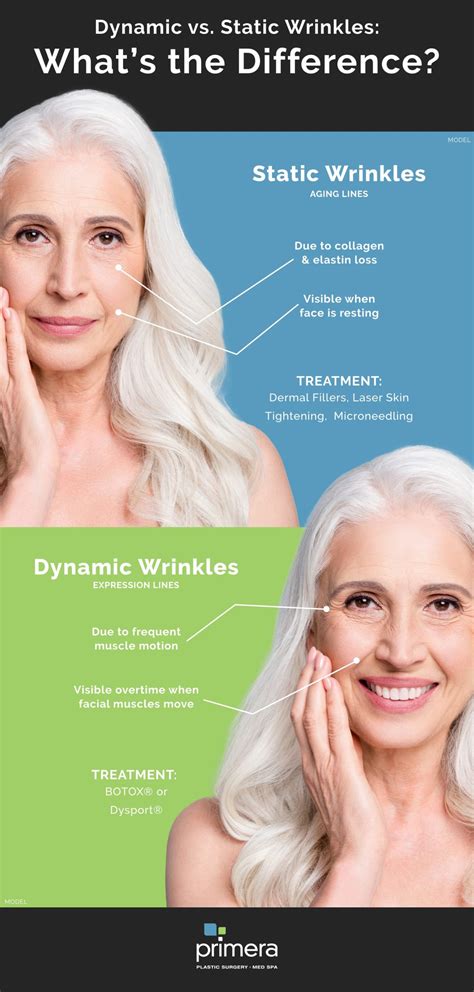
Understanding Dynamic vs. Static Wrinkles
Dynamic Wrinkles
Dynamic wrinkles are a direct result of muscle movement, occurring when you smile, laugh, or squint. Common examples include crow's feet around the eyes and lines across the forehead. Botox, which utilizes various forms of botulinum toxin, is highly effective for dynamic wrinkles as it temporarily paralyzes or relaxes muscle activity.
Static Wrinkles
In contrast, static wrinkles are caused by factors such as a loss of skin elasticity and collagen, or damage from sun exposure and smoking. As the skin becomes thinner and drier with age, and due to volume loss, the facial silhouette changes. While some providers might suggest Botox for static wrinkles, dermal fillers are generally much more effective. Fillers work by lifting the skin, smoothing lines, restoring lost volume, and providing a fresher appearance. Hyaluronic acid fillers, like Juvederm, are particularly well-suited for fine lines and wrinkles around the mouth.
The Science Behind Botox
Botox, short for Botulinum Toxin, functions by temporarily relaxing the muscles responsible for wrinkle formation. By strategically targeting specific muscles, Botox prevents the muscle contractions that pull the skin downward, thereby reducing the appearance of fine lines and wrinkles. Over 4.7 million Americans opted for Botox injections in 2023 to achieve a more youthful, lifted, and refreshed look.
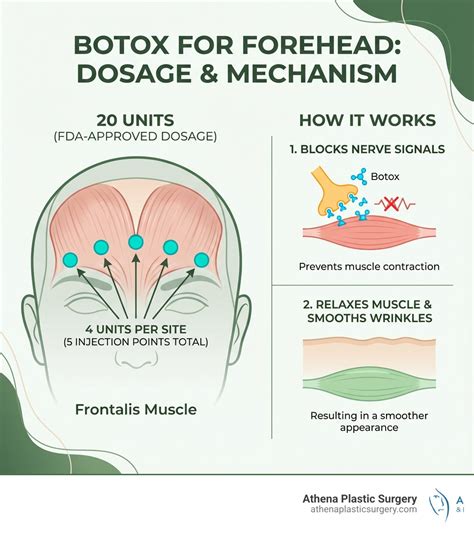
Under normal circumstances, the brain sends electrical signals from nerve endings to muscles, enabling them to contract and move. A neurotransmitter called acetylcholine facilitates these signals. Botox works by blocking the uptake of acetylcholine at the muscle receptor, inhibiting the brain's ability to command muscle movement and allowing the muscles to relax.
Key Areas for Botox Treatment on the Face
The face is the most common area treated with Botox, owing to the constant motion of facial muscles from smiling, frowning, raising eyebrows, and squinting, which inevitably leads to dynamic wrinkles over time. Botox is a popular non-surgical cosmetic treatment because it delivers noticeable, natural-looking results with minimal downtime. By targeting specific facial muscles, Botox enhances features without altering natural expressions.
Forehead
Horizontal lines across the forehead are often caused by repeated facial expressions. Botox helps smooth these lines by relaxing the underlying muscles, resulting in a refreshed, younger appearance. If forehead lines are deep-set, a combination treatment with dermal fillers might be recommended.
Crow's Feet
These fine lines form at the corners of the eyes due to smiling or squinting. A few small injections in this area can reduce their appearance, brightening and softening the eye area without affecting natural expression. For patients with mild or no crow's feet, results are often seen within 30 days.
Glabella (Frown Lines)
Often referred to as "11s," frown lines appear between the eyebrows and can create a tired or tense look. Treating this area can soften deep creases and give the face a more relaxed and approachable appearance. For very deep glabella lines, a combination of Botox and dermal fillers is highly effective.
Bunny Lines
These subtle wrinkles form when scrunching the nose and are often overlooked. Treating bunny lines can enhance the smoothness of the mid-face and create balance with other treatment areas.
Eyebrows and Upper Eyelids
A gentle lift in this region can open up the eyes and reduce the appearance of hooded eyelids, offering a non-surgical option for a brighter, more youthful look. This is particularly helpful as the natural aging process can cause the brow to drop.
Jawline and Chin
Botox can be used to slim a wide or square jaw caused by muscle tension and to smooth dimpling or puckering in the chin. These treatments help define the lower face and improve overall facial harmony.
Platysmal Bands
As we age, vertical neck bands, known as platysmal bands, can become more prominent. These are caused by the platysma muscles and can be smoothed and tightened with Botox injections, restoring a more youthful neckline.
Lips
Fine lines around the lips, also known as smoker's lines or lipstick lines, can be softened with carefully placed Botox injections without affecting speech or expression.
Marionette Lines
These lines run from the corners of the mouth to the chin and can create a downturned appearance. While Botox can address some muscle-related contributions to these lines, dermal fillers are often more effective for volume loss in this area.
Who Administers Botox and What to Expect
Botox must be administered only under a doctor's care, and precise injections are crucial to avoid side effects. Plastic surgeons and other licensed healthcare providers specialize in these treatments. Before your appointment, a consultation will assess your needs and determine the best injection sites. The procedure itself is quick, typically taking 15 to 30 minutes, and involves minimal discomfort due to the use of very fine needles.
Preparation and Aftercare
To reduce the risk of bruising, it is advisable to stop taking blood thinners like aspirin or ibuprofen for one to two weeks before treatment. Avoiding alcohol for at least 24 hours prior is also recommended. Staying hydrated and using moisturizer in the days leading up to the appointment can also be beneficial.
After treatment, mild redness or swelling at the injection sites is possible but usually resolves within a few hours. It is important not to rub or massage the treated areas for 24 hours and to avoid lying down for 2 to 4 hours to prevent the toxin from spreading.
Results and Duration
Botox injections typically begin to show results within 1 to 3 days, with full effects visible in about a week to ten days. The effects of Botox are not permanent and generally last for 3 to 4 months, depending on the treatment area and individual factors. Regular treatments are necessary to maintain the results.
Safety and Considerations
Botox is an FDA-approved neurotoxin that has been used safely for over 20 years. However, it is essential to select a skilled and licensed healthcare provider, as incorrect placement or dosage can lead to unintended side effects, such as drooping of the forehead or face.
Who Should Avoid Botox?
Botox is not recommended for individuals with allergies to botulinum toxin, certain neuromuscular disorders, or those who are pregnant or breastfeeding, due to unknown effects.
Botox vs. Dermal Fillers
While both Botox and dermal fillers reduce the appearance of facial lines and wrinkles, they work differently. Botox paralyzes muscles, while dermal fillers add volume and moisture. Fillers are often more effective for static wrinkles and volume loss, whereas Botox excels at addressing dynamic wrinkles caused by muscle movement. Your healthcare provider can help determine the best option for your specific needs.
Other Botulinum Toxin Products
Besides Botox, other brands of botulinum toxin injections are available, including Dysport®, Xeomin®, and Jeauveau®. These may differ in potency and trace proteins, potentially affecting onset and duration of results. Consulting with a healthcare provider is key to choosing the most suitable product.
Botox for Medical Conditions
Beyond cosmetic applications, Botox is FDA-approved for treating chronic migraines, neck spasms, excessive sweating (hyperhidrosis), overactive bladder, and lazy eye. For migraines, it works by blocking pain-signaling chemicals at nerve endings, often showing better results with subsequent treatments.
How Botox Works - HOW TO SERIES
Frequently Asked Questions
- Will I look "frozen" after Botox? No, when administered correctly, Botox should provide a natural, refreshed look without immobilizing your expressions.
- Is Botox safe? Yes, Botox is FDA-approved and has a long history of safe use when administered by a qualified professional.
- Will I see results immediately? No, Botox results take time to develop as the muscles relax.
- Does Botox hurt? Most patients experience minimal discomfort, described as a slight pinch or stinging sensation, due to the use of very fine needles. Topical numbing agents can be used if needed.
- Can you get Botox while pregnant or breastfeeding? While Botox injections are unlikely to harm a fetus, most healthcare providers recommend waiting until after childbirth and breastfeeding to undergo treatment due to safety uncertainties.
- Are bumps after Botox normal? Yes, bumps at the injection sites are a normal and temporary side effect that typically resolve within a few hours.
- Is Botox associated with numbness? Botox itself is not typically associated with numbness. However, temporary swelling or tenderness at the injection sites might create a sensation of mild numbness.
- Can you still make facial expressions after Botox? Yes, while Botox relaxes muscles, it is designed to reduce the appearance of wrinkles without preventing natural facial expressions.
- Does insurance cover Botox? Insurance typically covers Botox for medical conditions like migraines but not for cosmetic purposes.