Bumpy skin is a common concern for many people, and it can manifest in various ways, from small, rough patches to larger, inflamed lesions. Understanding the underlying causes is the first step towards effective management and treatment. While most instances of bumpy skin are harmless, some can indicate underlying medical conditions that require professional attention.
What Causes Bumpy Skin?
The appearance of bumpy skin can stem from a variety of factors, ranging from harmless keratin buildup to more complex medical conditions. Identifying the specific cause is crucial for determining the appropriate course of action.
Keratosis Pilaris: A Common Culprit
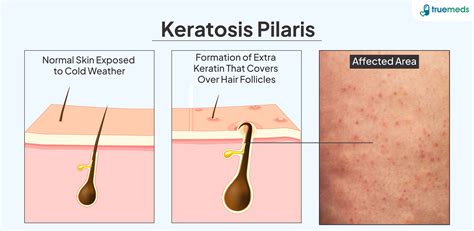
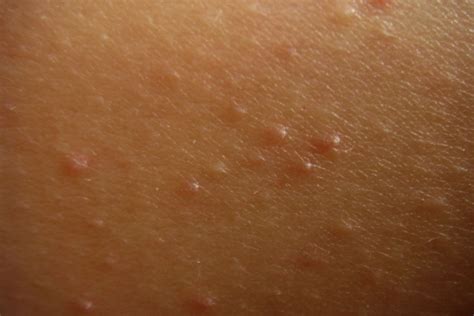
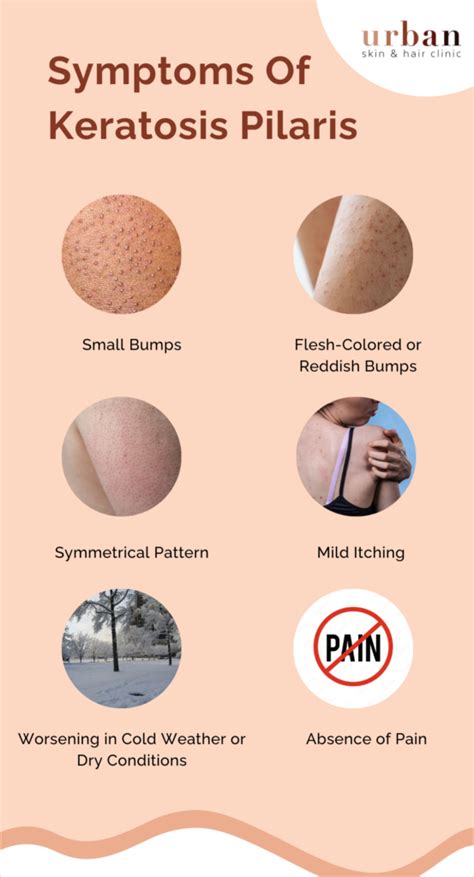
Keratosis pilaris is a widespread, generally harmless skin condition characterized by small, rough bumps or patches. It is most prevalent in children and adolescents, with symptoms often improving over time. The bumps are typically hard and can feel rough to the touch, appearing scattered across the skin, particularly on dry areas. While usually asymptomatic, they can sometimes cause itching or irritation, leading to redness and slight inflammation.
The root cause of keratosis pilaris is the accumulation of a skin protein called keratin, which blocks hair follicles or pores. The exact reason for this buildup is not fully understood, but it frequently co-occurs with other skin conditions like dermatitis. Keratosis pilaris tends to be more pronounced during winter months and is often a mild condition that does not necessitate medical treatment.
Other Causes of Bumpy Skin
Beyond keratosis pilaris, numerous other conditions can lead to bumpy skin:
Acne
Acne is the most common skin condition in the United States, manifesting as breakouts that can range from tiny, painless bumps to large, painful pimples, blackheads, whiteheads, cysts, or nodules. It commonly affects the face, neck, shoulders, chest, and upper back. If left untreated, acne can result in scars or skin darkening.
Contact Dermatitis
Contact dermatitis develops when the skin comes into contact with an allergen or irritant, appearing hours to days later as an itchy, red rash with distinct borders. The affected skin may become scaly, raw, blistered, and weep or ooze. The rash's appearance can vary based on skin tone, appearing red on lighter skin and darker brown, purple, or gray on darker skin.
Bullae
Bullae are raised, fluid-filled bumps larger than 1 centimeter (cm) in diameter. They can arise from friction or conditions like contact dermatitis and chickenpox. If the clear fluid within them turns milky, it may indicate an infection. While bullae typically resolve within a week, medical attention is advised if they become infected or require draining.
Cherry Angiomas
Cherry angiomas are common, harmless skin growths that appear as small, bright red or purple circular or oval spots, which can be raised or flat. They develop when blood vessels clump together and are most common on the torso, arms, legs, and shoulders. While generally benign, they may need removal if located in problematic areas or if they bleed when rubbed or scratched.
Corns and Calluses
Corns and calluses are rough, thickened areas of skin caused by friction and pressure. They typically form on the feet and hands, appearing as small circles of hardened tissue, sometimes with a painful, horn-like central area.
Cysts
Cysts are slow-growing lumps under the skin with a smooth surface. They can vary in size and are usually painless unless infected, very large, or situated in sensitive areas. Cysts are collections of fluid, air, or other substances and can typically be moved slightly under the skin.
Keloids
Keloids are smooth, raised growths that form over scars, appearing as lumpy or rigid areas of skin that can be itchy or painful. They commonly develop on the chest, shoulders, and cheeks and can grow to be significantly larger than the original wound.
Lipomas
Lipomas are soft, movable collections of fatty tissue located just under the skin. They are typically small, pale, and painless, often found on the neck, back, or shoulders. Removal may be considered for cosmetic reasons or if they cause discomfort by pressing on nerves.
Nodules
Nodules are small to medium-sized growths that can be filled with tissue, fluid, or both. They are usually wider than pimples and may appear as firm, smooth elevations under the skin. While generally harmless, they can cause discomfort if they press on other structures and can also form deep within the body.
Seborrheic Keratoses
Seborrheic keratoses are common, harmless skin growths that typically appear in older adults. They present as round, oval, dark-colored growths with a "stuck-on" appearance and a waxy, raised, and bumpy texture. They can occur anywhere on the body except the palms and soles.
Skin Tags
Skin tags are small, fleshy flaps of skin that usually grow on the neck or in the armpits. They can range in size up to half an inch and are often the same color as the skin or slightly darker, likely resulting from friction.
Strawberry Nevus (Hemangioma)
A strawberry nevus, also known as a hemangioma, is a red or purplish raised mark that appears at birth or in early childhood. It is most common on the face, scalp, back, or chest and gradually shrinks or disappears with age, typically by age 10.
Infections Causing Bumps
Certain bacterial and viral infections can cause skin bumps:
- Boils (Furuncles): These are infected hair follicles or oil glands that appear as red, painful, raised bumps with a yellow or white center. They can rupture and release fluid.
- Chickenpox: Characterized by clusters of itchy, red, fluid-filled blisters appearing all over the body, accompanied by fever and body aches.
- Cold Sores: Fluid-filled blisters that appear near the mouth and lips, often preceded by tingling or burning. They are caused by the herpes simplex virus.
- Impetigo: A highly contagious bacterial infection common in children, causing irritating, fluid-filled blisters that pop easily and form a honey-colored crust, often around the mouth, chin, and nose.
- Molluscum Contagiosum: A viral infection causing small, shiny, flesh-colored, white, or pink bumps that are firm and dome-shaped with a central dimple.
- MRSA (Staph) Infection: A serious bacterial infection that can look like a painful, red, raised bump, potentially draining pus. It requires urgent medical treatment.
- Scabies: An infestation of tiny mites causing an extremely itchy, pimple-like rash, sometimes with tiny blisters or raised lines. Symptoms may take weeks to appear.
- Warts: Raised, rough bumps caused by the human papillomavirus (HPV), typically appearing on hands and feet.
Skin Cancer
Some forms of skin cancer can also cause raised skin bumps, all of which require medical management:
- Actinic Keratosis: A precancerous skin condition, appearing as a thick, scaly, or crusty patch that may itch or burn, often on sun-exposed areas.
- Basal Cell Carcinoma: The most common type of skin cancer, presenting as raised, firm, pale areas resembling scars or dome-shaped, shiny bumps with visible blood vessels.
- Squamous Cell Carcinoma: Causes scaly, reddish patches that can progress to raised bumps, often on sun-exposed areas like the face, ears, and hands.
- Melanoma: The most serious form of skin cancer, often starting as an atypical mole that changes in color, shape, or size.
Allergic Reactions and Fungal Infections
- Hives (Urticaria): Allergic reactions to various triggers can cause itchy, raised bumps that may be skin-colored, red, or discolored.
- Ringworm: A fungal infection that often causes a raised, ring-shaped rash.
Cellulitis
Cellulitis is a bacterial infection causing a discolored, swollen, and painful rash that can spread rapidly, considered a medical emergency.
Symptoms of Bumpy Skin
The symptoms associated with bumpy skin vary significantly depending on the underlying cause. However, some common characteristics include:
- Small, rough bumps or patches.
- Skin that feels rough to the touch.
- Redness and inflammation.
- Itching or irritation.
- Pain, burning, or discomfort.
- Blisters that may weep, ooze, or crust over.
- Changes in skin color or texture.
- The presence of fluid-filled lesions.
- Hard or soft lumps under the skin.
When to See a Doctor
While most skin bumps are benign, it is important to consult a healthcare professional if:
- The bumps cause significant discomfort, such as burning pain or persistent itching.
- There are concerns about changes in the bumps' color, shape, or size.
- The bumps are accompanied by oozing or bleeding.
- The bumps persist for a long time without improvement.
- The cause of the bumps is unknown.
- The bumps show signs of infection (e.g., increased redness, swelling, warmth, pus).
A healthcare professional can perform a physical examination, discuss your medical history, and potentially conduct a skin biopsy to accurately diagnose the cause and recommend appropriate treatment.
Treatments for Bumpy Skin
Treatment for bumpy skin is highly dependent on the specific cause. Many conditions, like keratosis pilaris, may not require medical intervention but can be managed with lifestyle adjustments and topical treatments.
Managing Keratosis Pilaris
Keratosis pilaris often improves on its own by adulthood. If bothersome, treatments focus on managing symptoms and improving skin appearance:
- Moisturizers: Regular application of over-the-counter moisturizing lotions, especially those containing ammonium lactate or alpha hydroxyl acids (like AmLactin® or CeraVe SA® cream), can help hydrate the skin and soften bumps.
- Medicated Creams: Prescription-strength moisturizers with ingredients like urea, salicylic acid, or glycolic acid can help improve the skin's texture. Medicated vitamin A creams (e.g., Retin-A®) can reduce keratin buildup, but overuse may cause irritation.
- Gentle Exfoliation: Using a loofah, washcloth, or exfoliating scrub in gentle, circular motions can help remove dead skin cells. Avoid scrubbing too hard, as this can worsen irritation.
- Laser Treatments: These can help improve any associated discoloration.
- Gentle Skin Care Routine: Shorter showers, lukewarm water, mild soaps, and using a humidifier can help prevent dry skin, which exacerbates keratosis pilaris.
- Home Remedies: While not cures, some home remedies like diluted apple cider vinegar or baking soda paste can offer gentle exfoliation. Coconut oil may help with discoloration and inflammation.
It is crucial to avoid picking at or trying to pop keratosis pilaris bumps to prevent scarring or infection.
Treatments for Other Conditions
- Acne: Treatments range from over-the-counter topical products to prescription medications, including retinoids, antibiotics, and oral contraceptives.
- Contact Dermatitis: Identifying and avoiding the trigger is key. Topical corticosteroids and oral antihistamines can help manage itching and inflammation.
- Bacterial Infections (e.g., Boils, Impetigo, MRSA): Antibiotics are typically required. MRSA infections are medical emergencies needing prompt treatment.
- Viral Infections (e.g., Chickenpox, Cold Sores, Molluscum Contagiosum): Management often involves supportive care, antiviral medications for some, and time for resolution.
- Skin Cancer: Treatment depends on the type and stage and may include surgery, radiation therapy, or chemotherapy.
For conditions like cysts, lipomas, or skin tags, removal may be an option for cosmetic reasons or if they cause discomfort. A dermatologist can perform procedures such as freezing, surgical excision, or laser removal.