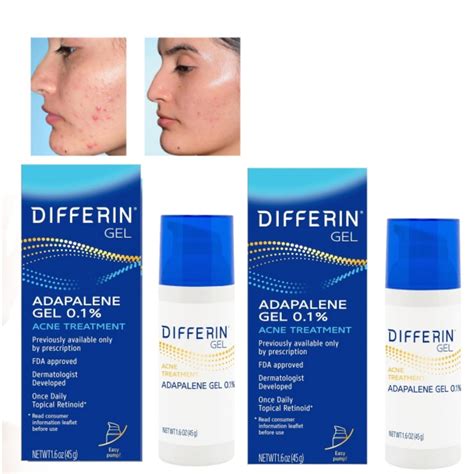
Differin Gel, with its active ingredient adapalene 0.1%, has revolutionized acne treatment by becoming the first and only retinoid available over-the-counter (OTC) for managing acne. This comprehensive overview delves into what Differin is, how it works, its comparison to other retinoids, and most importantly, a detailed week-by-week breakdown of expected results and potential side effects.
What is Differin and How Does it Work?
Differin Gel (adapalene 0.1%) is a powerful acne treatment that utilizes the properties of a retinoid. A retinoid is essentially a derivative of vitamin A. Differin functions by regulating epithelial cell growth, specifically targeting the beginning of the cell cycle. This mechanism is crucial for long-term skin health and acne management, distinguishing it from chemical exfoliants like glycolic and salicylic acid, which work at the end of the cell cycle. Over-exfoliation with these agents can lead to thinning of the stratum corneum, resulting in skin that appears dull, glassy, dehydrated, and fragile-almost transparent.
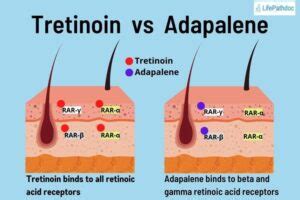
The demand for newer generations of retinoids, including adapalene, was driven by the search for less irritating alternatives to earlier versions, such as tretinoin, which are known for their significant irritation. Adapalene offers a less irritating approach without compromising its effectiveness in treating acne.
Understanding Retinoid Generations
Retinoids are categorized into generations based on their discovery time. This categorization arose from scientific efforts to develop retinoids that were less irritating than their predecessors while maintaining efficacy. Adapalene, the active ingredient in Differin, represents a significant advancement in this pursuit, offering a gentler yet potent option for acne treatment.
Differin vs. Retin-A: A Comparative Analysis
The choice between Differin and Retin-A (tretinoin) often depends on individual skincare goals. For purely anti-aging benefits, Retin-A might be considered superior. However, emerging research shows promising results for adapalene in anti-aging applications as well. Studies have indicated that adapalene, particularly at a 0.3% concentration, can significantly reduce wrinkles, with notable improvements in forehead, periorbital, and perioral wrinkles. Furthermore, adapalene at this concentration can reduce atrophic acne scarring by stimulating collagen production, which also benefits wrinkle reduction.
When it comes to treating acne, Differin generally outperforms Retin-A. It effectively reduces total acne count more rapidly and offers improved local tolerability. An added advantage of Differin is its stability; unlike tretinoin, which degrades in light, Differin is more stable. Additionally, Differin has proven to be an effective treatment for hyperpigmentation, addressing the dark spots left behind by acne.
How Long Does Differin Take to Work?
Patience and commitment are key when using Differin. As one user aptly put it, "bestows its rewards only to those who are patient and committed to Lord Retinoid." Studies suggest that Differin can reduce acne by approximately 60% after three months of daily use. Initial improvements can be observed within the first week, with a noticeable reduction in acne. While the second week might bring temporary irritation or a perceived worsening of acne (the "purge"), consistent daily use leads to continued improvements. Research indicates that skin benefits can still be observed after nine months of consistent daily application.
Differin Results Timeline: An Approximate Guide
- Week 1: Initial improvements may start to appear, such as smaller-looking pores and a reduction in blackheads and sebaceous filaments.
- Week 2: This is often when the "Differin purge" occurs. Acne may temporarily worsen as deeper clogged pores surface. Irritation, redness, and itching are common during this phase.
- Weeks 3-4: Breakouts may begin to subside, but new clogged pores or closed comedones might appear. Skin can still feel dry and irritated. Some users may introduce a healing ointment at night to combat dryness.
- Weeks 5-6: Inflammatory lesions might develop from previous clogged comedones. However, studies suggest that adapalene, especially in combination with benzoyl peroxide, can reduce the risk of atrophic scar formation. Users may start noticing improvements in old indented scars.
- Weeks 7-8: Breakouts should subside, potentially leaving behind Post-Inflammatory Erythema (PIE) marks. Some residual congestion might persist, possibly due to moisturizers used.
- Weeks 9-10: Skin generally becomes clearer, with improvements in minor congestion. Significant positive effects on atrophic acne scars may become noticeable.
- Weeks 11-12: By the three-month mark, skin may appear more taut, with continued subtle improvements. Some users may consider introducing other treatments like BHA after this period, though consistency is key for long-term results.
Common Differin Side Effects and How to Manage Them
Despite being a gentler retinoid, Differin can still cause irritation, especially during the initial weeks of treatment. Common side effects include:
- Dryness: Skin may feel dry and dehydrated.
- Redness: Increased redness on the application area.
- Irritation: A general feeling of irritation or sensitivity.
- Itching: Itchiness of the skin.
- Burning/Stinging: A mild burning or stinging sensation upon application.
- Worsening of Acne (Purge): An initial breakout as clogged pores come to the surface.
These side effects typically peak between weeks 2 and 4 and then begin to subside. To manage irritation:
- Reduce Frequency: If irritation is too much, decrease application to every other day until tolerance builds.
- Use a Pea-Sized Amount: Apply only a pea-sized amount or less once a day. Dab it across the face and then spread evenly.
- Moisturize: Use a non-comedogenic moisturizer. Some users find applying a moisturizer before Differin gel helps, or using a healing ointment at night.
- Sun Protection: Adapalene increases sun sensitivity due to thinning of the stratum corneum. Daily use of sunscreen (SPF 30 or higher) is crucial. Products with niacinamide can offer additional benefits for anti-aging, brightening, and fighting acne.
It's important to differentiate between the normal "Differin purge" and an actual adverse reaction. A purge involves existing blockages surfacing, while a reaction might include acne appearing in new areas, significantly worsening acne, or developing severe side effects like pain, swelling, or eyelid irritation. If no improvement is seen after two months, or if a reaction is suspected, consulting a medical professional is recommended.
Top 5 Differin Mistakes You Are Making
Differin Formulations: Gel vs. Cream
Differin is available in two formulations: gel and cream. The Differin gel is transparent, dense, and absorbs relatively quickly. The Differin cream is white, oilier, takes longer to absorb, and offers moisturizing properties, which can be beneficial for dry or irritated skin.
For many, the gel formulation is preferred due to its clear application and rapid absorption. However, individual preference may vary. If spreading the gel is uncomfortable, the cream might be a better alternative, or a non-comedogenic moisturizer can be applied beforehand.
Off-Label Applications of Differin
Beyond acne treatment, adapalene's properties as a vitamin A derivative can offer other skin benefits, though these are considered off-label uses and should be undertaken with dermatologist advice:
- Reducing the prominence of fine lines and wrinkles.
- Improving the appearance of stretch marks.
- Creating a more even skin tone by stimulating collagen production.
- Treating calluses and areas of thickened skin by inhibiting skin production.
It is crucial to avoid extreme or unusual applications without expert guidance, as improper use can lead to adverse effects, such as exacerbating wrinkles if the skin is not adequately moisturized.