Microneedling is a popular cosmetic procedure that involves creating thousands of microscopic channels in the skin. The effectiveness of this treatment is largely determined by what is applied to the skin during the crucial post-treatment window. However, not all serums are created equal, and some can be too harsh for freshly treated skin, while others may not penetrate deeply enough to yield significant results.
Understanding Microneedling and Serum Application
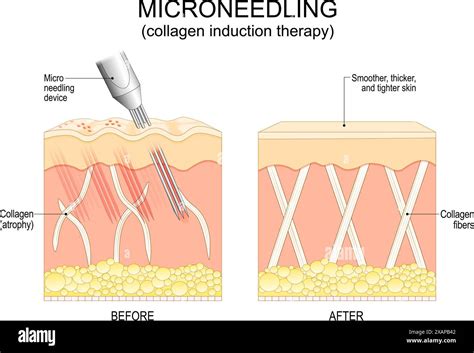
Microneedling, also known as collagen induction therapy, stimulates the skin's natural healing process by creating controlled micro-injuries. This process promotes the production of collagen and elastin, essential proteins for firm, smooth skin. The micro-channels created by microneedling temporarily increase the skin's permeability, offering a unique opportunity to enhance the absorption of beneficial ingredients deep into the skin layers. This enhanced absorption is key to maximizing the benefits of microneedling for skin rejuvenation and addressing concerns such as acne scars, melasma, alopecia, and stretch marks.
Serums to Avoid Immediately After Microneedling
It is crucial to be mindful of the ingredients in your post-microneedling serum, as certain components can cause irritation or adverse reactions when applied to open micro-channels. Immediately after a microneedling treatment, it is advised to avoid serums containing:
- Retinol or retinoids: These potent ingredients can be too harsh and may cause excessive irritation.
- High concentrations of vitamin C: Particularly L-ascorbic acid in its pure, active form can be highly acidic and may lead to reactions. A published case report documented a sarcoidal granulomatous skin reaction following microneedling with a vitamin C serum, with patch testing implicating ascorbic acid as the likely culprit. While these reactions are rare, they highlight the importance of ingredient selection when skin channels are open.
- Alpha and beta hydroxy acids (AHAs/BHAs): These exfoliating acids can further irritate the skin and compromise the healing process.
- Fragrance or essential oils: These can be common irritants, especially for sensitive skin.
- Preservatives like phenoxyethanol or alcohol-based ingredients: These can cause significant irritation to open microchannels.
- Potentially irritating active ingredients or chemicals: Any ingredient known to cause irritation should be avoided.
It is generally recommended to wait at least 5-7 days before reintroducing these potentially irritating ingredients into your skincare routine.
When to Apply Post-Microneedling Serums
The timing of serum application after microneedling depends on the type of serum used:
- Professional-grade, sterile serums: These are considered the gold standard for post-microneedling application. They can typically be applied 2-4 hours post-treatment, or once any pinpoint bleeding has stopped.
- Standard retail serums containing preservatives: For serums containing ingredients like phenoxyethanol, a more cautious approach is recommended. Waiting 18-24 hours is advisable, as these ingredients can cause irritation through open microchannels.
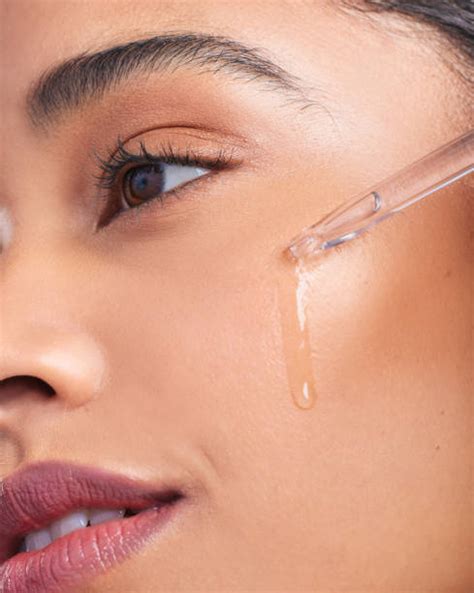
It is always essential to follow the specific guidelines provided for your microneedling device, needle depth, and serum formulation. The technique of applying your serum is also important: apply 3-5 drops with clean fingers or a dropper and gently press the serum into your skin.
Frequency of Post-Microneedling Serum Use
The frequency of using a post-microneedling serum depends on your skin type and the specific serum's purpose:
- Post-treatment serums: Apply as directed, typically 1-2 times daily for the first week after microneedling to support healing.
- Maintenance serums: Use according to product instructions, generally daily or several times weekly between microneedling sessions to sustain results.
- Collagen-stimulating serums: These often have specific protocols based on their formulation, so it's crucial to follow the product guidelines.
Regular application of a hyaluronic acid or PDRN-based formula is beneficial for maintaining results, supporting skin between treatments, and contributing to overall skin health.
Are Expensive Serums Better for Microneedling?
The price of a serum does not necessarily dictate its effectiveness for microneedling. While premium serums may contain higher concentrations of active ingredients, specialized delivery systems, and growth factors, the best serum for an individual depends on their specific skin concerns, skin type, and treatment goals. Quality and ingredient formulation matter more than price alone. The most effective serum, whether it's a hyaluronic acid formula, PDRN booster, or exosome blend, is the one that addresses your unique needs, such as improving skin texture, addressing acne scars, or restoring a youthful appearance.
Understanding "Microneedling Serums" with Spicules
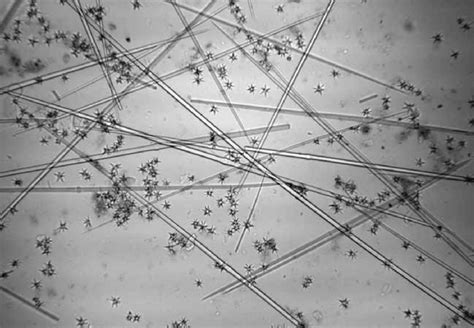
Recently, a trend has emerged around "microneedling serums" that contain microscopic pointy structures derived from marine sponges, known as spicules. These spicules are added to formulas to enhance the penetration of active ingredients, making products work faster. They can create a temporary micro-exfoliation effect and may improve product absorption and skin texture. However, dermatologists caution that these serums function more like mechanical exfoliators and do not replicate the results of professional microneedling treatments, which involve controlled injury with tiny metal needles to deeper skin layers. There is a lack of extensive scientific data on the long-term efficacy and safety of these spicule-enhanced products.
Dermatologist Perspectives on Spicule Serums
Many dermatologists express skepticism regarding the ability of spicule-enhanced serums to replicate the results of in-office microneedling. Dr. Melanie Palm notes that spicules cannot reach the ideal penetration length of professional microneedling needles (typically 1.5 mm.-2.5 mm.) and at best, may offer benefits similar to manual exfoliation. Dr. Margarita Lolis highlights the lack of robust scientific data and the uncertainty surrounding optimal dosing and frequency of application for these products. Cosmetic chemist Kelly Dobos also points out the limited research on mixing spicules directly into topical products compared to microneedle patches or devices.
Safety Concerns with Spicule Serums
Skin-care experts raise concerns about the safety of these microneedling-inspired products. If they exfoliate the epidermis or cause micro-injuries, they could potentially damage the skin barrier. Dr. Morgan Rabach warns that spicules may not be uniform in a formula, potentially leading to abrasions, cuts, and burns. Some users have reported irritation or burning sensations. Dr. Lolis suggests that using formulas with spicules could cause irritation or allergic contact dermatitis, especially for those with sensitive skin, and overuse might contribute to eczema, rosacea, and acne flare-ups. For individuals choosing to try these serums, patch testing on cleansed skin and following manufacturer recommendations is crucial. It's also wise to patch-test your entire skincare routine, as products previously used without issue could suddenly cause irritation when combined with new serums.
Ultimately, the concept of "microneedling in a bottle" doesn't truly exist, and professional microneedling is best and safest when performed by a licensed professional.
Ideal Ingredients for Post-Microneedling Serums
When choosing a serum to use after microneedling, prioritize gentle, non-irritating formulas that support healing and enhance your skin's recovery. Ideal ingredients include:
- Hyaluronic Acid: A humectant that attracts and retains moisture, providing essential hydration to combat dryness and tightness often experienced after microneedling. Hydrating serums like hyaluronic acid can often be applied within 4-6 hours post-treatment.
- Peptides: These short chains of amino acids act as signaling molecules, encouraging the skin to produce collagen and elastin, which aids in skin rejuvenation and wrinkle reduction.
- Growth Factors: These proteins play a vital role in cell growth and repair, making them a powerful addition to a post-microneedling routine for promoting healing and regeneration.
- Centella Asiatica (Cica): Known for its soothing and anti-inflammatory properties, it helps to calm the skin and reduce redness.
- Ceramides: Essential lipids that help restore and maintain the skin barrier, crucial for preventing moisture loss and protecting against external aggressors.
Choosing the right serum depends on your skin type, treatment depth, and recovery needs. Always prioritize gentle formulas that enhance healing and support your skin barrier.
Post Microneedling Care - Step-By-Step Instructions From L&P Aesthetics In Palo Alto, CA
tags: #best #microneedling #serum #for #wrinkles