Collagen supplements have become a popular solution in the beauty and wellness industries, promising youthful and radiant skin. Understanding their actual effectiveness, particularly for addressing loose skin after weight loss, requires a closer look at the science and individual factors involved.
Understanding Collagen's Role in Skin Health
Collagen is the most abundant protein in the human body, serving as a fundamental building block for skin, hair, nails, joints, and connective tissues. It provides structure, firmness, and support to the skin. However, natural collagen production begins to decline with age, which can lead to visible signs of aging such as wrinkles, sagging, and dryness.
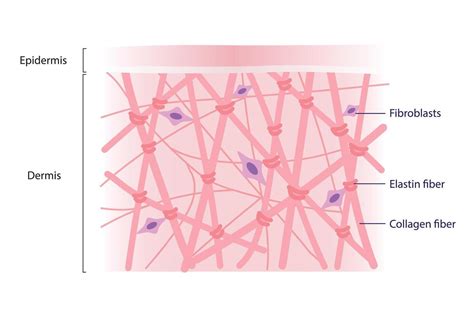
The skin's innermost layer comprises proteins like collagen and elastin. Collagen constitutes approximately 80% of the skin's structure, providing firmness and strength. Elastin, on the other hand, offers elasticity, helping the skin remain taut. During weight gain, the skin expands to accommodate this growth. While skin expanded during pregnancy typically retracts within months of delivery, skin that has been significantly stretched for extended periods can experience damage to its collagen and elastin fibers, diminishing their ability to retract.
This damage can result in excess skin hanging from the body after substantial weight loss. The greater the weight loss, the more pronounced the effect of loose skin can be. Research also indicates that individuals who undergo weight loss surgery may produce less new collagen, and its composition might be less robust compared to that found in younger, healthier skin.
How Collagen Peptides Work for Skin
Collagen powders typically contain hydrolyzed collagen peptides. This process breaks down collagen into smaller amino acids, making them more readily absorbable by the body. Once absorbed, these peptides can be utilized to support the body's natural collagen synthesis.
Potential Benefits of Collagen Peptides for Skin:
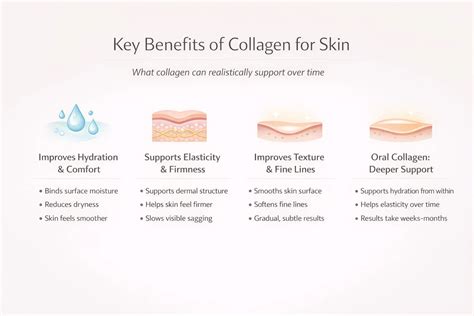
- Improves Skin Hydration: Collagen helps the skin retain moisture, contributing to a plumper and more radiant appearance.
- Boosts Elasticity and Firmness: By stimulating natural collagen production, it can help reduce the appearance of fine lines and sagging.
- Reduces Wrinkles and Fine Lines: Consistent use has been associated with smoother, more youthful-looking skin over time.
- Supports Skin Barrier Function: It strengthens the skin's outer layer, offering protection against environmental damage and irritation.
When you look in the mirror, you may have started to notice wrinkles or sagging skin in your reflection. So, what gives? Could collagen loss be the culprit for your less-than-stellar appearance? "Collagen is the main structural protein in our skin. It helps the dermis retain its firmness and elasticity. It’s also found elsewhere, like in our bones, tendons and cartilage," explains dermatologist Shilpi Khetarpal, MD. "At some point in our 20s, we all start experiencing a steady, gradual decline of our natural collagen ― just how much and how fast depends largely on factors like sun exposure, smoking cigarettes and air quality. As we lose collagen, our skin becomes drier and more wrinkled."
Collagen Supplements: Efficacy and Considerations
While consuming collagen powder can contribute to improved skin health, it is not a standalone miracle solution. It is most effective as part of a comprehensive skincare approach. When taken consistently and combined with a healthy lifestyle, including proper sun protection and hydration, collagen supplements can enhance skin hydration, elasticity, and overall appearance.
Collagen supplements, which come in forms like powder, capsules, or gummies, have been widely promoted. However, it's important to approach them with realistic expectations. While some small studies have indicated limited improvements in skin texture with collagen supplements, it's crucial to note that these studies are often manufacturer-sponsored. The supplement industry is not always well-regulated, and there can be issues with inaccurate labeling and contamination.
A key reason why collagen supplements might not be universally effective is that they are largely absorbed by the gastrointestinal tract. This means that not enough collagen may reach the bloodstream to be effectively delivered to the hair, nails, and skin.
Potential Side Effects and Safety
Overall, the side effects associated with collagen supplements are generally minimal. Some individuals may experience mild reactions such as headaches, lightheadedness, or diarrhea. The processed form of collagen, often referred to as collagen peptides, is derived from animal tissue. This substance is typically ground into a gelatin or powder and then encapsulated. Given the increasing prevalence of food allergies, it is important to be aware of the source of collagen and any potential byproducts.
Dosage and Usage
There is a wide variety of collagen supplement brands and options available. If you choose to try them, it is advisable to follow the manufacturer's instructions. Daily dosages can range from 2.5 to 15 grams. Collagen powder can be easily incorporated into protein shakes, coffee, or smoothies.
It is also worth considering the cost of daily collagen supplementation, which can become a significant expense without guaranteed meaningful results.
Collagen and Loose Skin After Weight Loss
The question of whether collagen can help with loose skin and support weight loss has gained significant attention, particularly among individuals who have undergone or are considering bariatric surgery. Collagen plays a vital role in maintaining skin elasticity and structural integrity. Significant weight loss can lead to changes in body composition, prompting questions about collagen's ability to support skin tightening and the weight loss process itself.
Loose Skin as a Post-Weight Loss Concern
Loose skin is a common concern for individuals experiencing substantial weight loss. The skin undergoes rapid stretching and contraction, which can result in sagging, especially if natural collagen production or skin elasticity is already compromised due to age or other factors. Supplementing with collagen may help improve skin elasticity by providing the necessary amino acids for collagen synthesis, potentially aiding in skin tightening.
However, the effectiveness of collagen supplements can vary based on individual factors such as age, skin condition, and the extent of weight lost. While some studies suggest improvements in skin hydration and elasticity, it is not a guaranteed solution for everyone.
Collagen's Role in Skin Tightening
The ability of collagen to tighten skin depends on its capacity to enhance skin elasticity and promote new collagen formation. Collagen supplementation can improve skin hydration and elasticity over time, but it is not a cure for severe sagging. It can support the skin's natural structure, making it appear firmer and more toned, particularly in the early stages of skin laxity. For more significant tightening, additional procedures might be necessary.
Types of Collagen for Skin Health
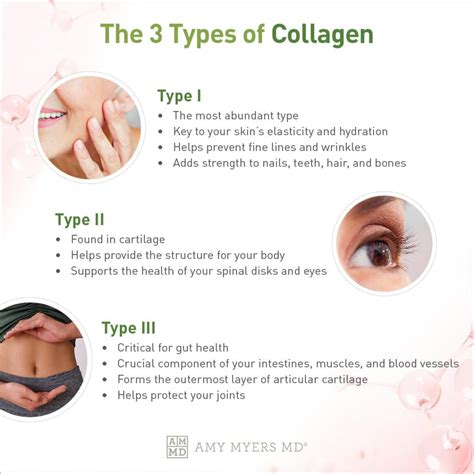
When selecting collagen supplements, especially for weight loss patients, it's beneficial to consider the different types of collagen available. The most common types in supplements are Type I, II, and III.
- Type I collagen: This is the most abundant type in skin, tendons, and bones, making it highly relevant for skin firmness and structural support.
- Type III collagen: Often found alongside Type I, it contributes to skin elasticity and vascular health.
Collagen hydrolysates or peptides are generally preferred due to their enhanced bioavailability, allowing the body to absorb and utilize them more effectively. For weight loss patients, choosing supplements rich in Type I and III collagen can support skin health during rapid weight changes. Marine collagen, derived from fish, is also noted for its high bioavailability.
The Relationship Between Collagen and Weight Management
The relationship between collagen and weight loss is often misunderstood. Collagen does not directly promote fat burning or overall weight reduction. However, it can play an indirect role in weight management by supporting muscle mass preservation and potentially improving satiety.
Collagen is rich in amino acids like glycine, proline, and hydroxyproline, essential for muscle repair and recovery, particularly when combined with resistance training. Maintaining muscle mass is crucial during weight loss as it helps sustain the basal metabolic rate (BMR), enabling the body to burn calories more efficiently. Additionally, improved skin elasticity and hydration from collagen may encourage individuals to remain committed to their weight loss and body contouring efforts. Some research also suggests that collagen may influence appetite regulation, helping individuals feel fuller for longer when part of a balanced diet.
Body Contouring and Collagen Support
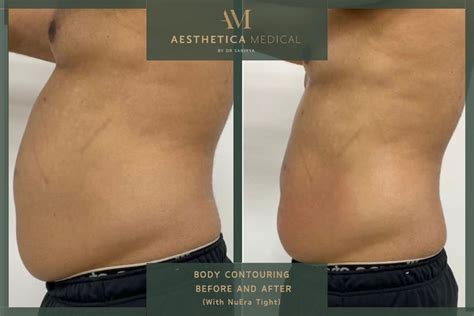
Body contouring during weight loss involves not only losing fat but also improving skin appearance and firmness. Collagen powder has emerged as a popular adjunct to these efforts due to its potential to enhance skin elasticity and hydration. When ingested regularly, collagen peptides can support the skin's structural matrix, making it more resilient to sagging and stretch marks-especially valuable for individuals experiencing rapid weight loss.
Collagen's benefits extend beyond skin health to support joint health and muscle recovery, which are critical for maintaining an active lifestyle conducive to body shaping. While collagen powder is not a substitute for surgical procedures like body lifts, it can enhance the natural healing process and improve overall skin appearance during the weight loss journey.
Timing and Considerations for Post-Bariatric Surgery Patients
For post-bariatric surgery patients interested in collagen supplementation, timing is a crucial consideration. Most healthcare providers recommend starting collagen intake once the patient has stabilized and the initial healing phases are complete, typically a few weeks to a couple of months after surgery. During the initial recovery, the focus should be on wound healing, nutrition, and hydration, with supplements introduced gradually and under medical supervision.
It is important to consult with a healthcare professional before starting any new supplement regimen to ensure it aligns with individual recovery plans and nutritional needs. Patients should also be aware that collagen supplements are most effective when combined with a balanced diet rich in vitamins C and E, zinc, and antioxidants, which aid collagen synthesis and skin repair.
Safety and Potential Risks
For patients who have undergone Vertical Sleeve Gastrectomy (VSG) or other bariatric procedures, collagen supplementation is generally considered safe when taken as directed. However, as with any supplement, potential risks and considerations exist. Some individuals may experience mild gastrointestinal symptoms such as bloating, diarrhea, or allergic reactions, particularly if they have sensitivities to certain ingredients or additives. Choosing high-quality collagen products free from contaminants, artificial flavors, or preservatives is important. Patients should also be cautious of over-supplementation, as excessive intake can potentially strain the kidneys or lead to imbalances.
Collagen Synthesis
Alternative Solutions for Loose Skin
While collagen can be a supportive element, it's not a definitive solution for all cases of loose skin. For individuals seeking to tighten loose skin after significant weight loss, other options exist:
Natural Remedies for Skin Tightening
- Resistance Training: Engaging in regular strength training can help build muscle mass, which may improve the appearance of loose skin by providing a firmer foundation beneath it.
- Nutrient-Rich Diet and Hydration: Consuming adequate protein, vitamin C, and omega-3 fatty acids is vital for collagen production and skin health. Staying well-hydrated also contributes to improved skin appearance and function.
Medical and Surgical Treatments
For more pronounced loose skin, medical and surgical treatments offer more significant results:
- Body Contouring Surgery: Procedures like abdominoplasty (tummy tuck), lower-body lifts, and arm lifts are designed to remove excess skin and fat, reshaping the body.
- Less Invasive Procedures: Treatments such as radiofrequency therapy and ultrasound treatments can help stimulate collagen production and tighten skin, though results may not be as dramatic as surgical options.
- Dermatological Treatments: Procedures like microneedling and the use of topical vitamin A-based treatments (e.g., tretinoin) can also stimulate collagen production and improve skin texture and firmness.
Furthermore, lifestyle choices play a crucial role in preventing further collagen loss. Avoiding environmental hazards such as cigarette smoke and excessive sun exposure, consistently using sunscreen, and wearing protective clothing when outdoors are essential steps. Applying topical antioxidants, like vitamins C and E, can also help protect the skin against external aggressors like smoke and UV rays.