Giorgio Armani Beauty embodies the timeless elegance and sophistication of the Armani brand, offering luxurious makeup and skincare products that epitomize Italian glamour. With a commitment to quality and innovation, Giorgio Armani's products combine rich pigments with silky textures for a flawless finish.
The information provided here is based on public brand-provided information and on commonly known practices and formulation guidelines in the cosmetic industry. It is intended for informational purposes only and is not a substitute for professional advice.
Understanding Skin Tints and Their Benefits
A skin tint is formulated to provide a lightweight, buildable coverage with a glowing finish. Its purpose is to enhance the skin's appearance by offering a radiant look akin to the golden-hour lighting effect. This skin tint works by incorporating ingredients that aim to improve the skin's visual appeal.
Key Ingredients and Their Functions
Giorgio Armani skincare products utilize a range of carefully selected ingredients to deliver their promised benefits. Here are some of the key components and what they do:
Hydration and Moisture Retention
- Water (Aqua): The most common skincare ingredient, purified and deionized to remove mineral ions, it serves as the primary solvent and base for many formulations.
- Glycerin: Naturally found in the skin, glycerin is a powerful humectant that draws moisture to the skin, improving hydration and strengthening the skin barrier. Its low molecular weight allows it to penetrate deeper layers of the skin. It also possesses antimicrobial and antiviral properties, often used in wound and burn treatments.
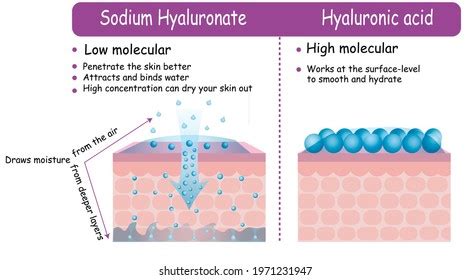
- Sodium Hyaluronate: A form of hyaluronic acid that acts to hydrate the skin, attracting and retaining moisture.
- Cyclopentasiloxane (D5): A lightweight, volatile silicone that evaporates quickly after application, leaving a thin barrier to keep skin hydrated. It also acts as an emollient, softening the skin and preventing water loss, while improving product spreadability and creating a silky texture.
Skin Smoothing and Texture Enhancement
- Dimethicone: A very common silicone that provides a smooth, silky feel to both skin and hair. It forms a protective barrier on the skin, helps to fill in fine lines for a temporarily plumped look, and can soften scars. As a non-volatile silicone, it remains on the skin to provide lasting smoothness.
- Isododecane: Acts as an emollient, keeping skin soft and hydrated by trapping moisture. Its role as a solvent enhances texture, allowing for smooth application without a sticky feeling. It also helps prevent color transfer in makeup.
- Nylon-12: A polymer that provides a satin feel to products, similar to talc. It is claimed to not block pores and offers moderate oil absorption, acting as a talc substitute.
- Silica: A light-diffusing agent that helps reflect light for a radiant finish. It is also excellent at absorbing oil, contributing to a matte appearance in some formulations.
- Aluminum Starch Octenylsuccinate: A synthetic powder that acts as an absorbent, thickener, and anti-caking agent. It is highly effective at mattifying skin by soaking up oil and has been shown to enhance the SPF of titanium dioxide.
- Polymer Microspheres (e.g., Expancel microspheres): Tiny balls that give products an elegant, silky texture and better slip. They can also scatter light to blur fine lines while maintaining a natural skin appearance.
- Cellulose Gum: A water-soluble polymer used to change product texture and stabilize emulsions, considered hypoallergenic and non-toxic.
Even Skin Tone and Antioxidant Protection
- Niacinamide: Contributes to a more even skin tone by addressing concerns like hyperpigmentation and redness.
- Ascorbyl Glucoside: A derivative of Vitamin C that provides antioxidant benefits, helping to protect the skin from environmental damage.
Sun Protection
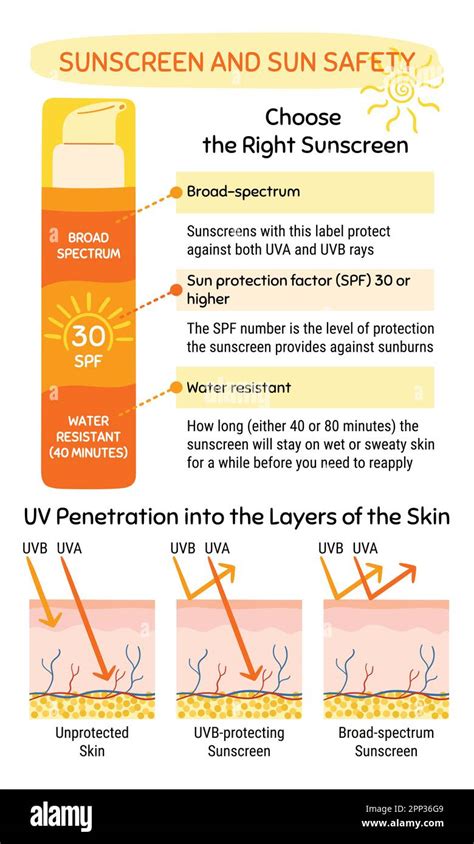
- Titanium Dioxide: A physical/inorganic sunscreen agent providing broad-spectrum UV protection (best at UVB and UVA II). It is highly stable but can sometimes leave a whitish tint. Nanoparticle forms are used to improve cosmetic elegance, with studies suggesting they remain on the skin's surface. It is also used as a colorant.
- Mexoryl SX (often referred to as a L'Oréal-group exclusive sunscreen agent): A UVB sunscreen filter that works by absorbing UV light.
pH Adjustment and Stability
- Triethanolamine (TEA): Helps to set the pH of cosmetic formulations to be just right. Care is taken to avoid combinations with N-nitrogenating agents that could form nitrosamines.
- Magnesium Sulfate: Used to thicken a product or help dilute other solids, it is non-reactive and non-irritating. Topical application may help reduce skin inflammation.
- Disteardimonium Hectorite: Used as a viscosity controller and stabilizer, it thickens formulations, prevents pigment settling, and enhances water-resistance, particularly in sunscreens.
- Acetylated Glycol Stearate: Acts as an emulsifier and stabilizer, helping to blend oil and water for improved texture and application.
- Peg-10 Dimethicone: A silicone with emulsifying properties that works best in neutral or near-neutral formulations.
- Hydroxystearic Acid and Glycerin derivatives: Used to thicken oils.
Preservation and Antioxidant Action
- Phenoxyethanol: A common preservative with germicide and antimicrobial properties, often used with Caprylyl Glycol to preserve shelf life. It has a mild rose-like scent.
- Pentaerythrityl Tetra-Di-T-Butyl Hydroxyhydrocinnamate: An antioxidant molecule that helps prevent discoloration and oxidative degradation in products, ensuring longevity.
- Methylparaben: A preservative used to prevent the growth of bacteria, mold, and fungus. While its safety is under ongoing study, it can be found naturally in some fruits.
- Potassium Sorbate: Often combined with other preservatives to provide broad-spectrum protection.
Colorants
- Red Iron Oxide: Provides red and pink tones.
- Yellow Iron Oxide: Provides yellow tones.
- Black Iron Oxide: Controls darkness and provides black hues.
- Aluminum Hydroxide: Used as a colorant to add opacity, a pH adjuster, and an absorbent.
Ingredients to Note (Potential Sensitizers/Considerations)
While many ingredients are chosen for their beneficial properties, some require a note for those with sensitive skin or specific concerns:
- Alcohol Denat.: Can be irritating and drying due to its astringent properties, especially when listed high on an ingredient list. However, it evaporates quickly and can aid in the absorption of other ingredients. Small amounts are generally tolerated, particularly by oily skin types.
- Fragrance (Parfum): A broad term for scent ingredients that can be a blend of many chemicals. It is a common cause of cosmetic allergies and sensitivities. If you have sensitive skin, it's advisable to look for fragrance-free products or investigate the specific components of the fragrance blend.
- Limonene & Linalool: Common fragrance ingredients derived from plants. They can oxidize upon air exposure, potentially becoming allergenic and causing skin sensitization. Individuals with sensitive skin may wish to avoid these.
- Benzyl Salicylate: Used as a solvent and fragrance additive, it is a known EU allergen and may cause allergic reactions, though emerging studies suggest it may not be the sole cause.
- Butylphenyl Methylpropional (Lilial): A synthetic fragrance with a floral scent, banned in the EU for use in cosmetic products due to concerns about reproductive toxicity and its status as a known allergen.
- Hexyl Cinnamal: A fragrance ingredient with a jasmine-like scent, it is a known EU allergen and may sensitize the skin.
It is always recommended to perform a patch test and consult with a skincare professional if you have specific concerns about ingredient sensitivities.