Caring for your child’s skin goes far beyond appearances - it’s about keeping them healthy, comfortable, and confident as they grow. At Schweiger Dermatology Group, our pediatric dermatologists and dermatology providers understand that children’s skin isn’t just smaller - it’s fundamentally different. Our pediatric dermatology team offers gentle, effective, and child-friendly treatment for a wide range of skin conditions, from common rashes to chronic issues like eczema and psoriasis.
Understanding Pediatric Dermatology
Pediatric dermatology is the branch of medicine focused on diagnosing and treating skin, hair, and nail conditions in infants, children, and adolescents. A pediatric dermatologist or dermatology provider has additional training in how children’s skin functions, heals, and reacts to treatments.
Children can experience a wide variety of pediatric skin issues throughout their growth years. Some are temporary and mild, while others may require ongoing management.
Common Pediatric Skin Conditions
Eczema
Eczema is one of the most common childhood skin conditions, causing dry, itchy and inflamed patches that can disrupt sleep and comfort. Our providers create personalized eczema treatment plans that focus on restoring the skin barrier, calming inflammation and preventing flare-ups.
Eczema flare-ups are often triggered by environmental factors like dry winter air, heat, pollen or harsh soaps. Seasonal changes can dry out the skin or increase exposure to irritants. For some children, diet can influence skin health. Food allergies or sensitivities, such as to dairy, soy, or gluten, can sometimes worsen eczema or hives.
Acne
While acne is typically associated with teenagers, it can appear at earlier ages, even in children under 10. Pediatric acne often requires a different approach than adult acne, with milder formulations and careful monitoring.
Pediatric dermatologists and dermatology providers use age-appropriate acne treatments that balance effectiveness with gentleness. Options may include low-strength topical retinoids, benzoyl peroxide washes, or oral medications for more severe cases.
Birthmarks
Birthmarks can range from faint discolorations to raised or vascular lesions such as hemangiomas or port-wine stains. Most are harmless, but some may require monitoring or treatment to prevent complications.
Psoriasis
Psoriasis in children appears as red, scaly patches that may itch or cause discomfort. Because it can be triggered by stress, infections, or cold weather, pediatric psoriasis management focuses on both medical and lifestyle interventions.
Viral Skin Infections
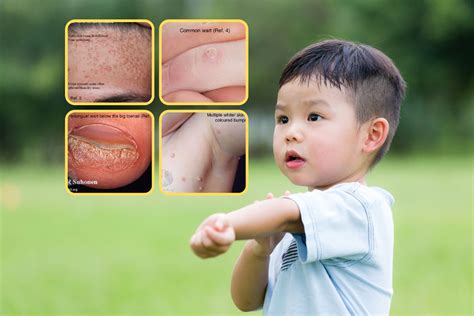
These viral skin infections are extremely common in kids. Though harmless, they can spread or become irritating. Early diagnosis by a pediatric dermatologist or dermatology provider is key.
Our Pediatric Dermatology Approach
Our pediatric dermatology specialists take a holistic, individualized approach to care. Every treatment plan considers your child’s age, comfort level, and skin sensitivity. We also focus on education, giving parents the tools to care for their child’s skin at home and recognize early signs of potential problems.
Pediatric Dermatology vs. General Dermatology
While all dermatologists treat skin conditions, pediatric dermatologists and dermatology providers undergo additional training focused on diagnosing and managing childhood skin disorders.
What to Expect During an Appointment
During the appointment, your provider will examine the skin, discuss symptoms, and may perform gentle diagnostic tests if necessary. After the visit, your provider will follow up as needed to monitor progress and adjust treatment.
What to bring to your appointment: Bring your insurance card, a list of symptoms or triggers, any medications or creams your child is using, and recent photos of flare-ups.
When to See a Pediatric Dermatologist
Some rashes or skin changes may clear up on their own, but you should see a dermatologist or dermatology provider if symptoms persist for more than two weeks, worsen over time, or cause discomfort. Sudden color changes, pain, or spreading bumps can signal infection or allergy.
Caring for Your Child's Skin at Home
Keep your child’s routine simple: a mild cleanser, fragrance-free moisturizer, and daily sunscreen. Avoid adult skincare products or exfoliants, which can irritate young skin.
Managing Chronic Conditions and Stress
Yes. Just like adults, kids can experience stress-related skin flare-ups, especially with conditions like eczema, hives, or psoriasis. It’s normal for kids to feel anxious before medical visits. Explain what to expect in a calm, reassuring way and let them bring a favorite toy or book.
Some conditions, such as eczema, psoriasis, or acne, are chronic and may require long-term management. Others, like viral warts or molluscum contagiosum, may recur temporarily.
Insurance and Referrals
In most cases, you can schedule an appointment directly. However, certain insurance plans may require a referral from your pediatrician.
Common skin conditions in children.
At Schweiger Dermatology Group, our pediatric dermatologists and dermatology providers are passionate about helping children achieve healthy, happy skin. Our providers deliver evidence-based care with a gentle touch, combining advanced dermatologic treatments with patience, empathy, and education.
tags: #happy #skin #pediatric #dermatology