The MBR Enzyme Cleansing Booster is a potent skincare product designed to revitalize, radiate, and purify the skin, ultimately leading to a matte and even complexion. It effectively minimizes the appearance of fine lines, wrinkles, and enlarged pores, while simultaneously reviving dull and tired skin. This versatile product is recommended for use both in the morning and evening.
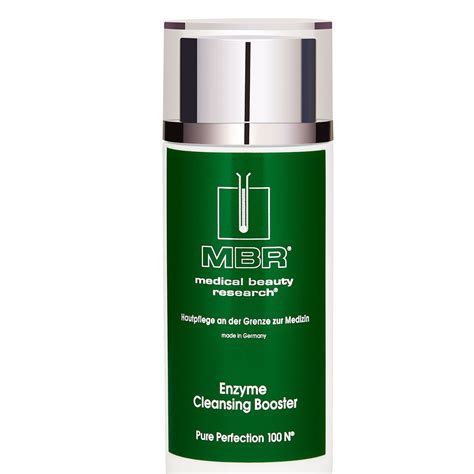
How to Use the Enzyme Cleansing Booster
To achieve optimal results, follow these simple application steps:
- Dispense the Enzyme Cleansing Booster into the palm of your hand.
- Emulsify the product with water until a fluffy, gentle foam is formed.
- Gently massage the foam onto either dry or damp skin.
- Allow the product to penetrate the skin for a few moments.
- Rinse thoroughly with lukewarm water.
Key Ingredients and Their Benefits
The efficacy of the MBR Enzyme Cleansing Booster is attributed to its carefully selected blend of ingredients, each offering unique benefits for the skin:
Cleansing and Surfactant Agents
- Zea Mays Starch (Cornstarch): Derived from corn, this ingredient serves as a thickening agent, contributing to the product's texture.
- Sodium Cocoyl Glutamate: A gentle cleanser and surfactant originating from coconut oil. It effectively lifts dirt and oil from the skin, aiding in the cleansing process. Additionally, it possesses emollient properties, leaving the skin feeling soft.
Exfoliation and Pore Minimization
- Sodium Bicarbonate (Baking Soda): In cosmetic formulations, it is used to adjust the acidity of the product. Its crystalline solid form also provides mild abrasive or exfoliating properties.
- Kaolin: A type of clay known for its ability to control oil and minimize the appearance of pores. Kaolin absorbs excess sebum, which helps to cleanse pores and mattify the skin. Some variants of kaolin may also offer exfoliating benefits. The name 'kaolin' originates from the Chinese village 'Gaoling'.
Texture Enhancement and Stabilization
- Maltodextrin: A polysaccharide derived from starches like corn or potato. It enhances product texture, acts as a thickener, and can stabilize emulsions, keeping ingredients cohesive. As a polysaccharide, it also offers moisturizing properties by helping the skin retain water.
- Xanthan Gum: A polysaccharide used to stabilize and thicken cosmetic products, providing a desirable texture and preventing them from becoming too runny.
- Silica: A naturally occurring mineral used as a fine, spherical powder. It enhances spreadability and smoothness, acting as a texture enhancer. Silica can also absorb excess oil, functioning as an active carrier, emulsifier, and mattifier. In some applications, silica-based microneedles can aid in gentle exfoliation and ingredient penetration.
Skin Conditioning and Hydration
- Allantoin: A soothing ingredient recognized for its protective and moisturizing qualities. It promotes skin cell turnover and renewal, and its mild keratolytic properties help shed dead skin cells gently. Allantoin is also known to calm inflammation and is generally considered non-sensitizing and non-irritating.
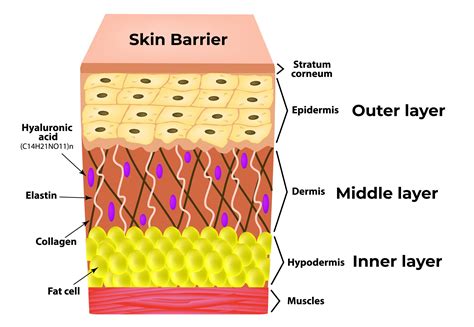
- Inositol: A sugar alcohol naturally found in the human body, supporting the growth of new skin cells, particularly keratinocytes which form the outermost layer of skin. It also acts as a humectant, drawing moisture to the skin.
- Argan Oil: Rich in antioxidants and lipids, Argan Oil provides hydration, soothes the skin, and protects against free radical damage. It helps retain water, regulate sebum production, and can reduce inflammation.
- Aluminum Hydroxide: Used as a colorant, pH adjuster, and absorbent. It can also function as an emollient and humectant, contributing to skin hydration.
- Ectoin: A compound that helps bind water molecules to the skin, forming a protective barrier against environmental stressors like UV rays, infrared light, and pollution. It aids in repairing pollution-induced damage and protects against further harm. Ectoin is highly stable and effective across a wide pH range.
- Lactose: A milk sugar with humectant and skin-conditioning properties, helping the outermost layer of skin retain moisture. It is generally considered low risk for irritation.
Antioxidant and Brightening Properties
- Ascorbyl Glucoside: A stable form of Vitamin C that acts as an antioxidant, helping to combat free radicals that can damage skin cells.
- Caffeine: A naturally occurring compound that acts as an antioxidant, protecting the skin from environmental stressors. Early research suggests it may also help calm redness and soothe irritation.
Acids for Exfoliation and Skin Renewal
- Lactic Acid: A gentle alpha hydroxy acid (AHA) that exfoliates the skin's surface by loosening the bonds between dead skin cells. This results in smoother, softer, and more even-toned skin. Lactic acid also functions as a humectant and can boost ceramide production to strengthen the skin barrier. Modern lactic acid used in skincare is often vegan, produced through non-dairy fermentation.
Vitamins and Skin Barrier Support
- Niacinamide (Vitamin B3): A multitasking ingredient that strengthens the skin barrier, reduces the appearance of pores and dark spots, regulates oil production, and improves signs of aging. It is generally well-tolerated, even by sensitive skin. Niacinamide works by boosting cellular energy (NAD), which declines with age, leading to improved skin repair, cell production, collagen synthesis, and defense against environmental damage.
Fragrance Components
- Parfum (Fragrance): A broad term covering various ingredients used to impart scent. The composition can vary widely, and some components may cause allergies or sensitivities.
- Hexyl Cinnamal: A fragrance ingredient with a jasmine-like scent, which can be naturally found in chamomile essential oil. It is listed as a known EU allergen and may sensitize the skin.
- Benzyl Salicylate: Used as a solvent and fragrance additive. It can be a component in floral fragrances and may be associated with contact dermatitis, although emerging studies suggest it may not be the sole cause. It is listed as a known allergen in the EU.
Colorant
- Ci 77891 (Titanium Dioxide): A white pigment derived from titanium dioxide, used to add white color to cosmetics.