Staph infections in dogs, also known as pyoderma, are common skin conditions caused by an overgrowth of Staphylococcus bacteria. These bacteria are naturally present on a dog's skin and in their environment. However, they can multiply and cause infection when the skin barrier is compromised due to irritation, damage, or a weakened immune system.
Puppies and adult dogs with chronic illnesses are more susceptible to staph infections due to their less robust immune systems. Breeds with prominent skin folds, such as Bulldogs, are also more vulnerable as these areas can trap moisture and create an environment conducive to bacterial growth.
Causes of Staph Infections in Dogs
Staph infections typically arise when the skin's natural defenses are weakened. This can happen in several ways:
- Skin Irritation: Excessive licking, scratching, or chewing at a particular area of the body can irritate the skin, creating an entry point for bacteria.
- Allergies: Allergies to food, medications, or environmental factors (like pollen or dust mites) are a common underlying cause of skin irritation and subsequent staph infections. Flea allergies can also contribute.
- Weakened Immune System: Chronic illnesses, age, or certain medical conditions can suppress a dog's immune system, making it harder to control bacterial populations on the skin.
- Other Infections: Fungal infections, such as yeast dermatitis (Malassezia dermatitis), or other secondary infections can compromise the skin and lead to a staph infection.
- Environmental Factors: While less common, prolonged exposure to moisture can also contribute to skin issues that predispose a dog to infection.
It's important to note that staphylococcal bacteria are normal flora, meaning they are part of the natural microbial population on the skin. An infection only occurs when these bacteria overgrow due to an underlying issue.
Signs and Symptoms of Staph Infection
Recognizing the signs of a staph infection is crucial for prompt treatment. Common symptoms include:
- Redness and Inflammation: The affected skin often appears red and inflamed.
- Excessive Itching, Chewing, or Licking: Dogs with staph infections frequently exhibit intense itching, leading them to chew or lick the affected areas.
- Patchy Hair Loss: The infection can cause hair to fall out in patches.
- Crusting and Peeling Skin: The skin may develop dry, flaky crusts or peel.
- Moist Skin Lesions: Some areas may appear moist or ooze.
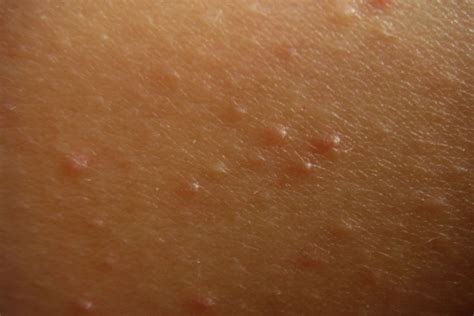
- Pus-Filled Lesions: Small, red bumps that may develop into pustules (pimples) are characteristic of staph infections.
- Pain and Discomfort: Infected skin can be painful and cause significant discomfort for the dog.
- Secondary Infections: Staph infections can also manifest as infections in the eyes, ears, or upper respiratory tract.
- Fever: In severe, systemic cases, a dog may develop a fever.
In severe cases, the infection can spread deeper into the tissues beneath the skin, leading to a potentially life-threatening condition.
Diagnosis of Staph Infections
A veterinarian will perform a thorough examination to diagnose a staph infection. This process may include:
- Physical Examination: A visual inspection of the skin, noting the location, appearance, and extent of lesions.
- Medical History: Discussing the onset of symptoms, diet, environment, and any previous health issues with the owner.
- Skin Cytology: Using a piece of clear tape to gently lift a sample from the affected skin to examine under a microscope for bacteria and inflammatory cells.
- Skin Scraping: Gently scraping the skin with a dull blade to collect samples for microscopic examination, primarily to rule out parasites.
- Skin Culture and Sensitivity Testing: Collecting skin discharge or crusts with a cotton swab to identify the specific bacteria and determine which antibiotics will be most effective. This is particularly important for recurrent or non-responsive infections.
- Blood Tests: In some cases, a complete blood count, biochemistry profile, and urinalysis may be performed to assess the dog's overall health and check for underlying systemic diseases.
- Skin Biopsy: In complex or chronic cases, a small skin sample may be taken for biopsy to further investigate the cause of inflammation, especially if immune-related issues or allergies are suspected.
Treatment of Staph Infections
Treatment for staph infections typically involves a multi-faceted approach, targeting both the bacterial overgrowth and any underlying causes.
Topical Therapies
Topical treatments are often the first line of defense, especially for localized infections.
- Medicated Shampoos: Shampoos containing antimicrobial agents like chlorhexidine or benzoyl peroxide can help reduce bacterial populations. They should be lathered and left on the skin for 5-10 minutes before rinsing, often used twice weekly.
- Antibiotic Ointments: For localized lesions, antibiotic ointments such as mupirocin or those containing antibiotics like neomycin, polymyxin B, and bacitracin (e.g., Animax) can be applied directly to the affected areas.
- Leave-On Conditioners/Sprays: Products containing chlorhexidine or phytosphingosine can provide prolonged antimicrobial action and are beneficial for broader skin coverage.
Systemic Medications
For more widespread or deep infections, oral antibiotics are usually prescribed.
- Oral Antibiotics: Medications like cephalexin, erythromycin, or clindamycin are commonly used. The duration of treatment can vary from several weeks to months, depending on the severity and response. It is crucial to complete the entire course of antibiotics as prescribed by the veterinarian, even if symptoms improve, to prevent recurrence.
Addressing Underlying Issues
Managing the root cause of the infection is critical for long-term success and preventing recurrence.
- Allergy Management: If allergies are identified as the underlying cause, treatment may involve dietary changes, environmental allergen avoidance, or medications such as antihistamines or corticosteroids.
- Parasite Control: Ensuring effective flea and tick prevention is essential, as these parasites can cause itching and skin irritation.
- Immune Support: For dogs with weakened immune systems, addressing any underlying chronic diseases or considering immune-modulating therapies might be necessary.
Home Care and Prevention
Maintaining good hygiene and monitoring your dog's skin are important aspects of managing staph infections.
- Keep Skin Clean and Dry: After bathing or if the dog gets wet, ensure their coat and skin are thoroughly dried. Avoid water activities like swimming if active lesions are present.
- Daily Skin Checks: Regularly inspect your dog's skin for any signs of redness, irritation, or lesions, especially in areas prone to infection.
- Prevent Urine Scalding: For incontinent dogs, prompt cleaning and drying are necessary to prevent urine scald, which can damage the skin.
- Hygiene: While staph infections are not highly contagious, practicing good hand hygiene after handling an infected dog is recommended, especially given the zoonotic potential (transmission between dogs and humans).
Malaseb Shampoo and Pyohex Conditioner
Prognosis and Recurrence
Most uncomplicated staph infections in dogs resolve within two to three weeks with appropriate treatment. However, staph infections can be recurrent in some dogs, particularly if the underlying cause is not fully addressed. In such cases, treatment may need to be extended, and ongoing management strategies, including topical therapies and potentially staph bacterin products (like Staphage Lysate - SPL), might be employed to reduce the frequency or severity of relapses.
Recently, there has been an increase in reports of multi-drug resistant staphylococcal strains, including methicillin-resistant staphylococci (MRS), in dogs. If a staph infection does not respond to initial antibiotic treatment, culture and sensitivity testing become mandatory to guide appropriate therapy. If a highly resistant strain like methicillin-resistant Staphylococcus aureus (MRSA) is identified, owners should be informed due to the potential zoonotic risk, and strict hygiene protocols should be followed.