For years, conversations about stretch marks have been centered almost entirely around women. It’s time to change the conversation. Stretch marks-also called striae-occur when the skin stretches faster than it can repair itself. While they aren’t dangerous, stretch marks can impact self-esteem and body confidence. Culturally, skincare has long been framed as “feminine.” But self-care-including taking care of your skin-is not gendered.
Stretch marks can be a problem for everyone. Here’s how to tackle them. Human skin can endure a lot of stretching, thanks to collagen. But that has its limits. Gaining or losing too much weight too quickly can be stressful for your skin and result in stretch marks. Yes. Anyone can get stretch marks. In principle, they know no gender.
What Are Stretch Marks?
Stretch marks, medically known as striae, develop when the skin is subjected to rapid stretching, exceeding its elastic capabilities. This often occurs during periods of significant weight gain or loss, puberty, or pregnancy. The dermis, the middle layer of the skin, contains collagen and elastin fibers that provide strength and flexibility. When these fibers are stretched beyond their limit, they can tear, leading to the formation of stretch marks.
Initially, stretch marks often appear as reddish or purplish lines, which may be slightly raised. Over time, they tend to fade to a lighter, silvery or white color, becoming less noticeable but often permanent. The appearance of stretch marks is influenced by genetics, skin type, and the degree of skin stretching.
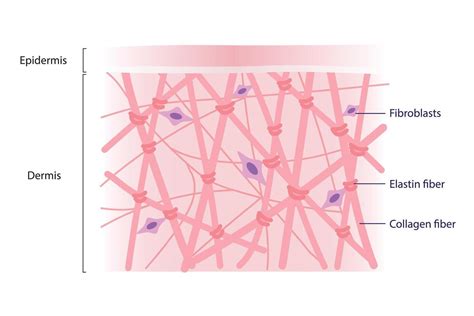
The Role of Collagen and Skin Elasticity
Collagen is a protein that keeps your skin elastic. It’s found in the connective tissue of human skin and accounts for more than 30% of the total protein mass within the human body. That makes sense given that humans have a lot of skin on them. And since most of us won’t fundamentally change our skin over a lifetime, it needs to grow with us.
So, skin is like the mother of all tailor-made suits. As we mentioned previously, that suit of yours won’t stretch indefinitely. If you stretch it too much, it might get some reddish or purplish ladders. So, how do you get them to fade over time? That’s not an easy task, because those tiny scars can be quite stubborn, and we might say trying to prevent them in the first place is the best solution of all.
Addressing Stretch Marks: Prevention and Treatment
While preventing stretch marks entirely can be challenging, there are several strategies to minimize their appearance and improve skin health:
1. Moisturize Regularly
Treating your skin with a special moisturizer or a body lotion for men once or twice a day is going to keep your skin-suit nicely hydrated and snug for many summers to come. Applying twice daily to affected areas-ideally after a shower when your skin is still slightly damp to help lock in moisture. Massage gently into the skin in a circular motion until fully absorbed.
Using products with specific ingredients, such as Vitamin E and Aloe Vera, can significantly improve the appearance of your skin and care for it.
2. Vitalize Your Skin with Vitamins
Your skin loves vitamins (especially antioxidants such as vitamin A and E) and so should you. These vitamins can help protect skin cells from damage and support the skin's natural repair processes.
3. Exfoliate for Renewed Skin
The upper layer of your skin constantly renews itself. Regularly peeling off dead skin cells boosts the production of new ones, which helps to keep your skin flexible. Exfoliation can improve skin texture and encourage cell turnover, potentially making stretch marks less prominent.
4. Patience and Persistence
Stretch marks have patience, and so should you. Once they are there, it will take time to get rid of them. Some may even stay with you forever. But let’s be honest: They are not the end of the world. Actually, they are not even the end of the summer.
Product Recommendations
Several products are formulated to help manage the appearance of stretch marks. These often contain ingredients like cocoa butter, shea butter, vitamin E, collagen, and hyaluronic acid, which aim to moisturize, nourish, and improve skin elasticity.
Popular Stretch Mark Creams and Lotions for Men:
- M3 Stretch Mark Lotion Maternity Scar Cream with Collagen and Stem Cells: A 2 oz lotion priced around $16.95, known for its collagen and stem cell content.
- Palmer's Cocoa Butter Formula Daily Skin Therapy Body Lotion: A widely available 33.8 fl. oz. lotion praised for its moisturizing properties, often used for dry skin and stretch mark care.
- Palmer's Cocoa Butter Pregnancy Recovery Kit: This kit includes products aimed at firming, reducing stretch marks, and treating scars, often sold for around $19.97.
- Life-Flo Pure Organic Cocoa Butter: A 9oz moisturizer suitable for face and body, including areas with stretch marks, costing approximately $16.69.
- Cocoa Butter Formula Tummy Butter for Stretch Marks With Vitamin E by Palmers: A specialized treatment in a 4.4 oz size, often sold in packs.
- Lenkho Oats Amino Acid Stretch Mark Cream: A 50g cream designed to moisturize, reduce stretch marks, and improve skin elasticity.
- Basic Health Brands Lavender Vitamin E Ointment: A 2 oz ointment focused on moisturizing and improving skin for stretch marks and wrinkles.
- TUITOONM Abdominal Tightening Cream: A unisex cream formulated to firm, tone, reduce cellulite, and diminish stretch marks, available in a 150g size.
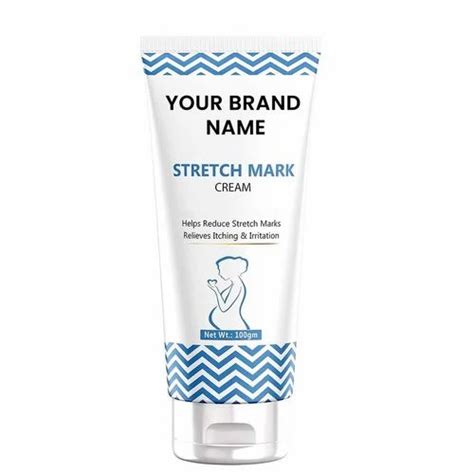
When selecting a product, consider the ingredients and focus on those that provide deep hydration and support skin elasticity. It's also beneficial to look for products with a history of positive reviews from users with similar concerns.
Professional Treatments
For more persistent stretch marks, professional treatments may be an option. These can include:
Topical Retinoids
Topical tretinoin (retinoic acid) has been shown to improve early stretch marks. These prescription-strength creams can help stimulate collagen production and promote skin renewal. However, they are not recommended for use during pregnancy or breastfeeding.
Laser Therapy
Various laser treatments can be effective in reducing the appearance of stretch marks. Fractional laser resurfacing, for example, works by creating microscopic injuries in the skin, prompting the body's natural healing response and encouraging the production of new collagen and elastin.
Microneedling
This procedure involves using a device with tiny needles to create controlled micro-injuries in the skin. Microneedling can stimulate collagen production and improve skin texture, making stretch marks less visible.
Stretch Mark removal using Microneedling
Conclusion on Managing Stretch Marks
There’s no shame in having stretch marks-and no shame in wanting to improve them. By understanding how stretch marks form and employing consistent skincare practices, men can effectively manage and reduce their appearance, boosting confidence and promoting overall skin health.