The lines that frame our mouth often tell a story of a life filled with expression-every smile, laugh, and thoughtful moment contributes to the unique map of our face. This comprehensive guide will explore the science behind why these wrinkles form, from the natural aging process to the lifestyle factors that can accelerate them.
What Are Nasolabial Folds and Marionette Lines?
In the medical and aesthetic field, wrinkles that develop around the mouth are collectively known as “perioral wrinkles.” Understanding the specific type of line you’re concerned with is the first step toward finding the most effective treatment.
Nasolabial Folds
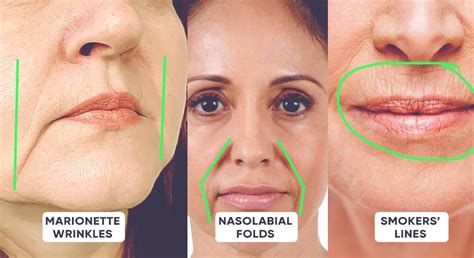
Also known as “laugh lines” or “smile lines,” nasolabial folds are the two distinct creases that run from the sides of the nose down to the corners of your mouth. They are a normal part of human anatomy and are present even in infants when they smile. While everyone has these folds to some degree, they become more pronounced and permanent as you age.
Marionette Lines
Marionette lines, also unfortunately named, are creases or folds that run vertically from the corners of the mouth down to the chin. These lines are reminiscent of the jaw of a marionette. While commonly referred to as “laugh lines,” marionette lines are not solely caused by years of laughing but are a common result of the natural aging process.
Causes of Nasolabial Folds and Marionette Lines
The development of these lines is a complex process influenced by factors both beyond and within our control. Both nasolabial folds and marionette lines are primarily caused by a combination of genetics, repeated facial expressions, a natural reduction in collagen and elastin, and the age-related loss of volume in the face.
Intrinsic Aging Factors
- Genetics: Heredity plays a significant role in the age at which skin thins due to declining collagen and elastin levels, and how prominent these lines become. Genetically susceptible individuals can begin to develop some degree of these lines during their childhood or 20s and 30s.
- Age-Related Volume Loss: Starting in our 20s, our skin’s production of collagen-the protein that provides structure and firmness-declines by approximately 1% each year. Elastin, the protein that gives skin its ability to snap back, also degrades. Soft tissue becomes thinner as we age, an effect referred to as volume loss. In addition, facial structures such as bone lose volume. The jawline becomes thinner due to changes in hormones and loss of mineral content.
- Gravity: This is an unavoidable cause of wrinkles. When we’re younger, abundant collagen, elastin, and skin volume balance the effects of gravity. But as we get older, our skin loses volume and structure, becoming vulnerable to this constant, invisible downward pull.
- Repetitive Facial Expressions: Our jaw is constantly in motion. After a lifetime of smiling, frowning, eating, and talking, muscles like the depressor anguli oris (at the corners of the mouth) can become over-activated. When these muscles pull down on the corners of the mouth, even at rest, marionette lines appear. When we are young, the lines that form when we smile or frown are temporary; they are called dynamic wrinkles. Our skin’s high elasticity allows it to bounce back. As we age and lose collagen, these expression lines become permanently etched into the skin, even when our face is at rest.
Extrinsic Aging Factors (Lifestyle)
- Smoking: Smoking delivers a one-two punch to the skin around the mouth. The chemicals found in cigarettes are known to induce early onset aging and damage the skin. Smoking causes the deterioration of current collagen in the skin as well as a decrease in future collagen production.
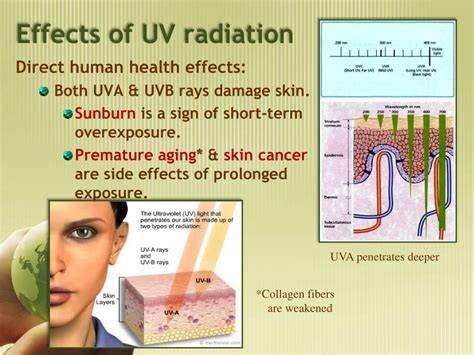
- Sun Damage: Excessive UV exposure on the skin contributes to the loss of collagen and skin elasticity. The sun’s rays also break down collagen and elastin.
- Weight Fluctuations: Rapid weight loss or severe weight fluctuations can promote the formation of these lines. When weight is lost, the cheeks start to sag, and the subcutaneous fatty tissue recedes.
- Environmental Pollutants: Exposure to environmental pollutants can also play a role in skin aging.
Preventing Nasolabial Folds and Marionette Lines
While there is no way to absolutely prevent the development of these lines, there are several ways to slow them down and minimize their appearance. Prevention is often far easier than treatment.
Healthy Habits
- Sun Protection: Always use a high SPF broad-spectrum sunscreen, avoid the sun during peak UV hours, and wear a wide-brimmed hat when outdoors for extended periods. This protects the skin’s existing collagen and elastin from the degrading effects of UV radiation.
- Quit Smoking: Ditch the habit to help your skin (and entire body) look and feel its best.
- Maintain a Healthy Lifestyle: Eat a healthy diet, get plenty of exercise and sleep. The healthier you are, the healthier your skin will be. Staying properly hydrated will ensure that your skin looks and feels its best, as dry skin is more prone to forming wrinkles and lines.
- Proper Skincare: Consistently follow a daily skincare regimen that suits your skin type. This includes using a daily moisturizer and applying an anti-aging night cream to regenerate the skin. Products containing ingredients like vitamin C, hyaluronic acid, peptides, and other growth factors can work to rebuild lost collagen and restore skin elasticity.
- Sleep Position: Stomach (face down) and side sleepers are more prone to developing facial wrinkles as their face experiences the pull of gravity all night long. Try to sleep on your back as much as you can. If you must sleep on your side, try to position your pillow so the lower half of your face doesn’t touch it. Special anti-wrinkle pillows can also be helpful.
Topical Prevention
- Creams and serums containing active ingredients like hyaluronic acid are particularly effective. Long-chain hyaluronic acid binds moisture in the skin layers where these wrinkles appear, and other ingredients can activate volume-giving skin cells.
- Products containing ingredients like vitamin C, vitamin B3 (niacinamide), peptides, and other growth factors can work to rebuild lost collagen and restore skin elasticity.
- Regularly applying a skin refining serum can help prevent the deepening of initial nasolabial folds.
Treating Nasolabial Folds and Marionette Lines
Once these lines begin to appear, the sooner they are treated, the better. If your lines appear only during certain facial expressions, it’s not too early to begin treatment. Waiting until wrinkles are constantly visible makes them more challenging to reduce.
Topical Treatments
The easiest and often least expensive way to treat mild lines is with a proper anti-aging skincare routine. Anti-aging and wrinkle prevention creams, serums, and cleansers should contain active ingredients such as:
- Antioxidants (Vitamin C or Vitamin E) to reduce oxidative stress.
- Vitamin B3 (niacinamide) to improve elasticity.
- Collagen peptides to fight collagen decline.
- Hyaluronic acid to promote collagen growth.
- Retinoids to exfoliate skin and promote new cell growth.
Retinol and Retin-A are both retinoids, a Vitamin A derivative. Retinols are commonly found in over-the-counter products, while Retin-A is available by prescription only. Both treat wrinkles by exfoliating dead skin cells and promoting skin cell turnover, and can also help stimulate collagen production. Be cautious when applying these topicals, avoiding the lips or mouth area, and ensure skin is well-moisturized and protected from the sun.
Minimally Invasive Treatments
For those patients whose folds and lines are still relatively superficial, or for more pronounced lines, several professional treatments can offer significant improvements.
Injectables
- Dermal Fillers: Fillers are non-surgical, injectable treatments that offer the ability to instantly smooth lines and wrinkles. Hyaluronic acid-based fillers like Restylane, Juvederm, and Belotero can be used to restore lost volume for a plump and youthful appearance. Radiesse (calcium hydroxylapatite) instantly adds volume while also stimulating collagen production over time. Since fillers come in different viscosities, your doctor will assess the severity and depth of your folds/lines and recommend the best option. The results are immediate, though temporary (lasting 6 months to a year or more), with very little risk and recovery time.
- Neurotoxins (Botox, Dysport, Xeomin): By “relaxing” the muscles that might be pulling the mouth down or contributing to dynamic wrinkles, neurotoxins can help stave off the deepening appearance of these lines. Typically, neurotoxins aren’t solely used to treat these areas. Instead, a neurotoxin/dermal filler combination is often recommended to soften the muscles at the corners of the mouth and fill the folds/lines simultaneously. Consistent use of neurotoxins in the early stages of wrinkle formation can help prevent them from further deepening. Repeated treatments every 4-6 months are usually necessary.
Marionette Lines Filler
Skin Tightening Procedures
Sagging skin plays a significant role in the appearance of droopy nasolabial folds and marionette lines. Treatments designed to tighten the skin can be very effective.
- Radiofrequency, Intense Pulsed Light (IPL), and Ultrasound Treatments: Treatments like Thermage, Vivace, Halo, Ultherapy, and Venus Legacy use energy to heat the dermal layer of the skin, stimulating collagen production without damaging the outer layer. This eventually produces a lifting and tightening effect in the mouth, jaw, and cheek areas. Your doctor will advise a course of treatments spaced appropriately, with gradual results appearing over the months following each session.
- Laser Treatments: Skin tightening lasers effectively reduce the appearance of lines and wrinkles for a smoother, more youthful appearance. These laser treatments transfer heat and laser light under the surface of the skin. By heating the tissue to lift and tighten the underlying foundation, this strengthens the skin and stimulates the growth of new collagen. Examples include Fraxel, and other ablative and non-ablative lasers.
- Chemical Peels: Chemical peels come in varying strengths. Stronger peels target both the outer and middle layers of the skin, which are removed through chemical exfoliation, allowing new, younger skin cells to grow back. Chemical peels typically require a series of treatments for best results and may involve a recovery period.
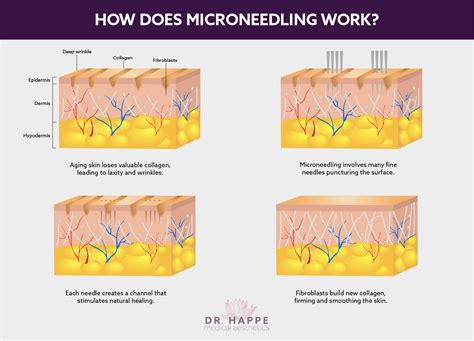
- Microneedling (Collagen Induction Therapy): This procedure uses a device with fine needles to create controlled micro-injuries in the skin. This process triggers the skin’s natural wound-healing cascade, resulting in the production of new collagen and elastin fibers that thicken the skin and reduce the appearance of wrinkles. Microneedling can be combined with topical skin rejuvenation treatments like growth factor gels.
Surgical Treatments
For individuals with deep and prominent marionette lines or significant sagging, surgical procedures may offer the most dramatic and long-term improvements.
- Facelift Surgery: A facelift is a surgical procedure that tightens the face by removing excess skin and tightening any loose underlying facial muscles. This can provide significant improvements to the lower face area.
- Subcision: This procedure, typically used for scars, involves using a needle to break up pockets of tissue. This can help restructure the area surrounding nasolabial folds, reducing their depth.
- Excision: This involves surgically removing the affected skin and reshaping the surrounding area, offering more dramatic results.
- Fat Transfer: Fat is removed from one area of the body and transplanted to the nasolabial fold area to fill it, similar to dermal fillers but using the body's own tissue.
Conclusion on Treatment Approaches
The most sophisticated approach to facial rejuvenation often involves a combination of these modalities. For instance, a dermatologist might suggest dermal fillers to restore volume, a small amount of neurotoxin to relax muscles, and a series of microneedling treatments to improve overall skin quality. Choosing the right treatment can feel overwhelming, but it becomes much clearer when you match the solution to the specific problem. When evaluating these options, it is helpful to consider the total annual investment rather than just the cost of a single session, as some treatments require more frequent sessions than others.
tags: #nasolabial #folds #and #marionette #lines